
Warning Signs Your Ducted Heat Pump Needs Repair
Ducted heat pump warning signs include unusual noises, rising energy bills, inconsistent temperatures across rooms, and frequent cycling. System age also signals replacement risk — older units lose efficiency noticeably. Homeowners experiencing these issues benefit from professional assessment. Colgrove Air provides ducted heat pump repair and replacement services throughout Nova Scotia to restore reliable, cost-efficient comfort.
Key Takeaways
Unusual noises like grinding or squealing signal internal component damage requiring immediate professional attention.
Heat pumps older than 15 years typically cost more to repair than replace outright.
Rising energy bills without increased usage indicate your ducted system loses efficiency and needs servicing.
Uneven heating or cooling across rooms points to ductwork leaks or a failing compressor.
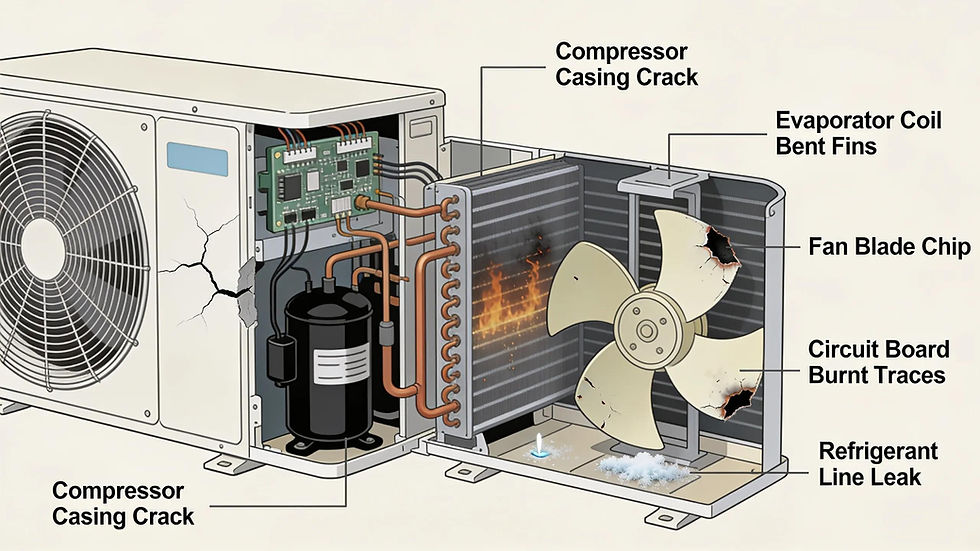
What Are the Key Warning Signs to Watch?
Ducted heat pump systems typically display several warning signs before they completely fail, and recognizing those indicators early allows homeowners to act before a minor issue becomes a major breakdown. Catching problems such as unusual noises, reduced heating efficiency, or rising energy bills prevents unexpected failures and the costly emergency repairs that follow.
What Does It Mean When a Ducted Heat Pump Makes Strange Noises?
Unusual sounds are among the most obvious indicators that a ducted heat pump requires professional attention. Banging, clanging, or squealing noises point to specific mechanical problems. Loose components, a failing motor, or a malfunctioning blower fan. Normal operation is quiet and consistent. Any departure from that baseline warrants a prompt inspection.
Why Are Rising Energy Bills a Warning Sign?
When a ducted heat pump loses efficiency, the system works harder to maintain the same indoor temperature. That extra effort shows up directly on monthly energy bills. Homeowners who notice a steady climb in heating or cooling costs. Without a corresponding change in usage habits — are likely looking at a system that is struggling to perform. Ignoring that signal means paying more every month while the underlying problem worsens.
The key warning signs homeowners should monitor include:
Unusual noises — banging, clanging, or squealing during operation
Reduced heating or cooling efficiency — rooms that no longer reach the set temperature
Soaring energy bills — unexplained increases in monthly utility costs
Frequent cycling — the system turning on and off more often than normal
Inconsistent airflow — weak or uneven distribution through the duct network
Staying vigilant to these indicators is the most practical way to extend system life and avoid emergency service calls. Ducted systems serve an entire home through a shared duct network. A single failing component affects comfort in every room. Colgrove Air provides heat pump repair services for residential customers throughout Upper Sackville. The surrounding Nova Scotia communities, supporting homeowners who need timely, reliable diagnosis when these warning signs appear.

Does Rising Energy Use Signal a Failing System?
Rising energy consumption is one of the clearest indicators that a ducted heat pump is losing efficiency. A system that once held steady on monthly utility costs begins drawing more power simply to deliver the same level of comfort. And that gap widens as mechanical wear accumulates.
As a heat pump ages, internal components degrade and the system works harder to move the same amount of heat. That extra effort translates directly into higher energy consumption and more frequent repair calls. Homeowners who notice a steady climb in heating or cooling costs. Without a corresponding change in usage habits — are often looking at a system in decline.
Why Does an Aging Heat Pump Consume More Energy?
Efficiency losses in older systems stem from worn compressors, degraded refrigerant levels, and reduced heat-transfer capacity. Each of these factors forces the system to run longer cycles to reach the target temperature, consuming more electricity in the process. The result is a measurable increase in operating costs that compounds over time.
How Old Is Too Old for a Ducted Heat Pump?
Heat pumps generally last around 10 to 15 years, with those over 15 years needing close monitoring for replacement. Systems that have passed the decade mark deserve close monitoring for signs of decline, including inconsistent heating or cooling across zones and unexplained spikes in energy bills. An older system that struggles to maintain even temperatures throughout the home is signaling that repairs alone may no longer restore reliable performance.
Colgrove Air structures services to help Nova Scotia homeowners maintain comfortable indoor environments across every season, keeping overhead lean. That pricing remains accessible when repair or replacement decisions arise.
How Do Frequent Repairs Indicate Replacement Need?
Repeated service calls for a ducted heat pump signal that the system is approaching the end of its functional lifespan. Scheduling HVAC repairs every year — or more than once annually. Drains a homeowner's budget and points toward a unit that can no longer sustain reliable performance.
Heat pumps generally last around 10 to 15 years, with actual longevity shaped by usage intensity, maintenance history, and local climate conditions. Nova Scotia's seasonal temperature swings place consistent demand on ducted systems, which accelerates wear on mechanical components over time.
What Are the Most Common Reasons Homeowners Call for Heat Pump Repairs?
The most frequently reported service issues include the system failing to turn on, failing to heat adequately. Failing to cool the home to the desired temperature. Each of these failures disrupts daily comfort. When the same fault recurs within a single season, the repair pattern itself becomes diagnostic evidence of deeper system decline.
When Does Repair Cost Justify Replacement Instead?
A useful benchmark is the relationship between cumulative repair spending and the age of the unit. Consider the following comparison:
System Age | Repair Frequency | Recommended Action |
Under 8 years | Occasional | Repair and maintain |
8–12 years | Annual or more | Evaluate repair vs. replacement cost |
Over 12–15 years | Recurring | Prioritize replacement planning |
Once a ducted heat pump installation becomes the more cost-effective long-term path, homeowners benefit from understanding both options clearly. Colgrove Air provides heat pump repair services alongside ducted heat pump installations, giving homeowners access to both remediation. Full replacement pathways depending on what the system's condition warrants.
Can Reduced Airflow or Comfort Point to Problems?
Reduced airflow and uneven comfort are reliable early indicators that a ducted heat pump needs professional attention. Ignoring these warning signs allows minor mechanical issues to escalate into costly system failures that disrupt home comfort for extended periods.
Ducted heat pump systems distribute conditioned air through a network of ducts. Any restriction or imbalance in that airflow directly affects every room in the home. When certain zones feel noticeably warmer or cooler than others. When supply registers deliver weak airflow despite the system running at full capacity, the underlying cause warrants a thorough inspection.
What Maintenance Practices Help Prevent Airflow Problems?
Heat pump maintenance performed twice a year is the most effective way to catch airflow restrictions before they compromise comfort. Routine service visits include inspection of the outdoor condenser unit and internal components, ensuring the system moves air efficiently through the duct network. Skipping these visits allows debris, wear, and minor faults to compound into larger performance losses.
Key signs that reduced airflow may indicate a repair need:
Weak or inconsistent air delivery from supply registers
Rooms that fail to reach the thermostat's set temperature
Unusual cycling patterns, where the system runs longer than normal to compensate
Increased energy consumption without a change in usage habits
When Does Reduced Comfort Signal Replacement Rather Than Repair?
Persistent comfort problems — especially in systems that have already received heat pump repair work. Can indicate that the unit is no longer capable of meeting the home's load requirements. Colgrove Air's experienced team evaluates both repair. Replacement scenarios, focusing on outcomes that restore reliable comfort and long-term peace of mind. A professional assessment distinguishes between a targeted fix. A system that has reached the end of its effective service life.
When Should Repair Give Way to Full Replacement?
Knowing when to replace a ducted heat pump — rather than continuing to repair it — is the key to avoiding escalating costs, maintaining year-round home comfort, and keeping energy bills manageable. Recognizing the tipping point early protects homeowners from the financial and physical discomfort of a system that has passed its useful life.
What factors help homeowners decide between repair and replacement?
The decision hinges on a combination of system age, repair frequency, and overall efficiency. A heat pump that demands repeated service calls within a short period signals that individual repairs are no longer solving the underlying problem. Timely action at the first warning signs extends system lifespan and prevents smaller issues from compounding into full system failure.
How does delaying replacement affect long-term costs?
Postponing replacement when clear warning signs are present drives up both repair bills and monthly energy costs. A degraded system works harder to deliver the same output, consuming more energy for diminishing results. Addressing the problem promptly prevents those larger, more expensive breakdowns down the road.
What are the signs that my existing ducted heat pump needs repairs or replacement? The following indicators suggest a system has crossed from repair territory into replacement territory:
Repairs are becoming more frequent and more expensive
Energy bills are rising without a change in usage habits
The system struggles to maintain consistent temperatures throughout the home
The unit is operating beyond its expected service lifespan
Recognizing the warning signs your ducted heat pump sends — whether through inconsistent temperatures, unusual sounds, rising energy costs. Declining air quality — positions you to act before a manageable repair becomes a costly system failure. Addressing these indicators promptly preserves both comfort and efficiency throughout Nova Scotia's demanding seasons. When symptoms persist or compound, professional assessment determines whether targeted repair or full replacement delivers the greater long-term value for your home.
FAQ
What noises indicate a ducted heat pump needs repair?
Banging, clanging, or squealing during operation points to loose components, a failing motor. A malfunctioning blower fan — all requiring prompt professional inspection.
Why do energy bills rise when a heat pump struggles?
A heat pump losing efficiency works harder to maintain indoor temperature, drawing more power. Pushing monthly utility costs higher while the underlying problem worsens.
How does a failing heat pump affect the whole home?
A single failing component disrupts comfort in every room because ducted systems distribute heating. Cooling through a shared duct network serving the entire home.


Comments