
Common Ducted Heat Pump Maintenance Issues
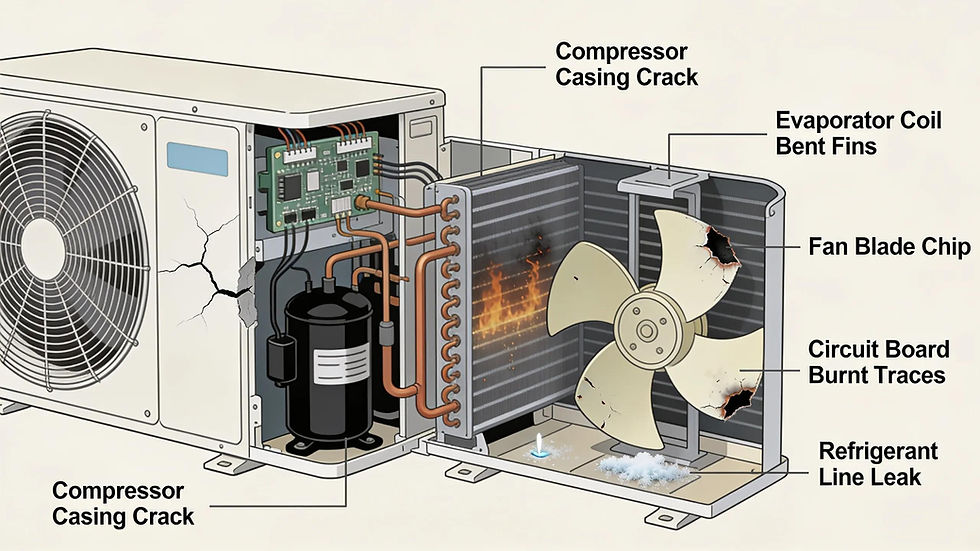
Ducted heat pump systems develop predictable maintenance issues over time, including clogged filters, refrigerant leaks, dirty coils. Airflow restrictions within ductwork. Repair frequency increases as a system ages. Addressing these problems early — through routine professional servicing. Prevents costly breakdowns and keeps the system running efficiently throughout Nova Scotia's demanding heating and cooling seasons.
Key Takeaways
Ducted heat pumps last 15 to 20 years with consistent, proper maintenance and servicing.
Dirty filters, refrigerant leaks, and faulty thermostats rank among the most frequent repair issues.
Colgrove Air technicians in Upper Sackville, Nova Scotia handle complex repairs beyond basic homeowner troubleshooting.
Scheduling annual professional maintenance prevents breakdowns and keeps the system running at peak efficiency.

What Makes Ducted Heat Pump Maintenance Uniquely Challenging?
Ducted heat pump installations are high-complexity systems with numerous mechanical and electrical components working in concert. The sheer number of moving parts means that a single neglected element can trigger a cascade of performance problems across the entire system.
Proper installation and consistent maintenance keep repair calls rare. Neglect, however, accelerates wear and shortens the gap between service visits. The difference between a well-maintained system and a poorly maintained one is not subtle. It shows up in reliability, efficiency, and longevity.
Why Does System Complexity Drive Maintenance Demands?
A ducted heat pump system distributes conditioned air through a network of ducts, adding components. Ductwork, air handlers, filters, and dampers — that each require periodic attention. Every additional component is a potential failure point. When any one element degrades, the entire system's performance suffers.
How Long Does a Properly Maintained Heat Pump Last?
Heat pumps typically deliver between 15 and 20 years of reliable service when homeowners commit to proactive heat pump maintenance. That lifespan shrinks considerably when routine care is deferred. Viewed over a 15-to-20-year horizon, consistent maintenance is a sound long-term investment — not an optional expense.
Key factors that make ducted systems particularly demanding to maintain:
Ductwork integrity — leaks and blockages reduce efficiency and strain the unit
Air filter condition — restricted airflow forces the system to work harder
Component count — more parts mean more scheduled inspection points
System age — repair frequency increases as the system matures

How Do Dirty Filters and Airflow Problems Affect Performance?
Dirty air filters rank among the most common causes of poor heating or cooling performance in [ducted heat pump installation](https://www.colgroveair.com/service-page/ducted-heat-pump-installations?referral=service_list_widget)s. Restricted airflow forces the system to work harder, driving up energy consumption and accelerating wear on critical components.
Why Does a Clogged Filter Drive Up Energy Bills?
A neglected filter creates a chain reaction that homeowners often notice first on their utility statements. A heat pump running through the night with a months-old filter can produce a noticeable spike in energy costs. And what started as a minor maintenance oversight can escalate into a significant service call. A component that costs roughly $15 to replace has, in documented cases, contributed to service visits costing many times that amount. Catching the problem early is the difference between a routine swap and an expensive repair.
How Often Should Filters Be Changed in a Ducted System?
Ducted systems circulate air through a network of supply and return ducts. Means filter condition directly affects every room in the home. Regular filter changes, combined with scheduled seasonal maintenance, keep the system running at the efficiency level it was designed to achieve. Consistent maintenance also ensures the home reaches and holds the correct temperature without the system cycling excessively.
The table below summarizes how filter condition affects system behavior:
Filter Condition | Airflow Impact | Likely Outcome |
Clean | Unrestricted | Efficient heating and cooling |
Moderately dirty | Reduced | Higher energy use, uneven temperatures |
Severely clogged | Heavily restricted | System strain, potential breakdown |
Addressing airflow problems through routine filter maintenance is one of the most straightforward ways to protect the long-term reliability of a ducted heat pump system.
What Causes Refrigerant Leaks and Frozen Coil Issues?
Ducted heat pump installations face two particularly disruptive maintenance challenges: low refrigerant levels and frozen coils. Both problems directly undermine a system's ability to heat or cool a home effectively, and both require professional diagnosis to resolve correctly.
Refrigerant is the substance that transfers heat between the indoor and outdoor components of a heat pump. When refrigerant levels drop — typically due to a leak in the system — the heat pump loses the capacity to move thermal energy efficiently. The result is noticeably poor heating or cooling performance throughout the home. Refrigerant issues are not a DIY fix. Handling refrigerant requires certified expertise, and an improper repair leaves the underlying leak unresolved.
What Happens When Heat Pump Coils Freeze?
Frozen coils rank among the most common problems ducted heat pump systems encounter. When coils ice over, airflow through the system becomes severely restricted, forcing the unit to work harder while delivering less conditioned air. Left unaddressed, a frozen coil accelerates wear on other components.
Several conditions contribute to coil freezing:
Dirty air filters that block adequate airflow across the coil surface
Low refrigerant that causes abnormal pressure and temperature drops
A malfunctioning thermostat that disrupts the system's operating cycle
When Should Homeowners Call a Professional for These Issues?
Some basic steps — like replacing a clogged filter — are straightforward for homeowners to handle. However, refrigerant leaks and persistent coil freezing fall into the category of complex problems that an expert should address. Attempting to resolve these issues without proper training risks further damage to the system and reduces long-term reliability.
How Do Thermostat and Electrical Faults Disrupt Ducted Systems?
Thermostat malfunctions and electrical faults rank among the recognized causes of poor heating and cooling performance in ducted heat pump installations. When control components fail, the entire system loses the ability to regulate temperature accurately, leaving occupants with inconsistent comfort and elevated energy costs.
Why Does a Faulty Thermostat Cause Uneven Heating or Cooling?
A malfunctioning thermostat sends incorrect signals to the heat pump, causing the system to run too long, cycle too short. Fail to activate at all. The result is uneven temperatures across rooms served by the duct network. Alongside dirty air filters and low refrigerant, thermostat failure is a primary driver of degraded system performance. And one of the more straightforward faults to diagnose when caught early.
How Do Electrical Issues Become More Serious as a System Ages?
Electrical and control component problems grow more frequent as a heat pump ages. Wiring connections loosen, capacitors degrade, and control boards accumulate wear that disrupts reliable operation. Homeowners who schedule periodic electrical inspections reduce the risk of a minor fault escalating into a full system failure.
Common electrical and control faults in ducted systems include:
Thermostat calibration errors that cause incorrect temperature readings
Loose or corroded wiring connections at the air handler or outdoor unit
Degraded capacitors that prevent motors from starting reliably
Control board failures that interrupt communication between system components
Inadequate electrical panel capacity that limits consistent power delivery
Colgrove Air addresses the electrical side of heat pump reliability directly. The company provides electrical panel upgrades, along with generator panel. GenerLink installations, ensuring the power infrastructure supporting a ducted system meets the demands of modern heat pump equipment. Pairing strong electrical infrastructure with routine control-component checks keeps ducted systems performing dependably across Nova Scotia's demanding seasonal range.
When Should Homeowners Schedule Professional Ducted Heat Pump Service?
Ducted heat pump installations require professional servicing at regular intervals, and homeowners should not wait for a visible breakdown before calling a technician. Delaying professional attention turns manageable maintenance issues into costly emergency repairs — a gap that almost always traces back to how quickly a problem is recognized and addressed.
Homeowners can handle basic upkeep tasks, such as wiping down vents and checking for obvious obstructions. Servicing, diagnostics, and major repairs, however, demand a certified technician with the tools and training to work safely inside the system.
What Signs Indicate a Ducted Heat Pump Needs Immediate Professional Attention?
Unusual noises, inconsistent temperatures across rooms, and unexplained increases in energy costs all signal that professional service is overdue. Waiting through even one full heating or cooling season after these symptoms appear risks escalating a minor repair into a significant mechanical failure. Prompt action is the single most reliable way to keep repair costs manageable.
How Often Should a Ducted Heat Pump Receive Professional Maintenance?
Routine professional maintenance — typically scheduled at least once per year. Keeps a ducted system running smoothly across Nova Scotia's demanding seasonal range. Consistent servicing extends reliable system performance over the long term, protecting the homeowner's investment. Skipping annual checkups allows small inefficiencies to compound quietly until they become disruptive faults.
Colgrove Air provides [heat pump cleaning](https://www.colgroveair.com/service-page/), heat pump repair. ducted heat pump installation services tailored to residential customers throughout Nova Scotia. Homeowners seeking to maintain peak system performance can contact Colgrove Air directly to arrange a service appointment or request pricing information.
FAQ
How long does a ducted heat pump last with proper maintenance?
A well-maintained ducted heat pump delivers between 15 and 20 years of reliable service. Deferring routine care shortens that lifespan considerably.
What Are the Common Maintenance Issues Associated With Ducted Heat Pump Installations?
Each problem strains the system and accelerates wear on other components.
Who handles complex ducted heat pump repairs in Nova Scotia?
Colgrove Air technicians in Upper Sackville, Nova Scotia handle complex repairs that go beyond basic homeowner troubleshooting.


Comments