
Top 5 Ducted Heat Pump Problems Homeowners See — and How to Fix Them
Updated: Jul 31

Ducted heat pumps keep homes comfortable year‑round, but a few common problems can knock them off balance. Below we cover the five issues we see most often — inadequate heating or cooling, strange noises, frequent cycling, lukewarm air (often from refrigerant or thermostat issues), and airflow problems — and give clear steps you can take. Regular maintenance prevents many of these headaches, and when you need expert help, Colgrove Air in Upper Sackville is ready to diagnose and repair your system.
Why Is My Ducted Heat Pump Not Heating or Cooling Properly?
If your system isn’t keeping the house at the right temperature, the usual suspects are dirty filters, blocked ducts, a thermostat problem, or low refrigerant. Blowing lukewarm air is a common sign of a refrigerant issue or a thermostat fault. Start with basic checks and routine maintenance — and if the issue persists, reach out for professional service.
What Are the Symptoms of Inadequate Heating or Cooling?
Look for uneven temperatures from room to room, a unit that runs constantly without getting to the set temperature, or noticeably higher energy bills. Spotting these signs early makes it easier and cheaper to fix the root cause.
What Causes a Ducted Heat Pump to Fail at Heating or Cooling?
Typical causes include a faulty thermostat, clogged filters that limit airflow, blocked or leaky ducts, or mechanical failures like compressor problems and refrigerant leaks. Regular filter changes and annual checks help catch these before they become major repairs.
What Makes My Ducted Heat Pump Produce Strange Noises?
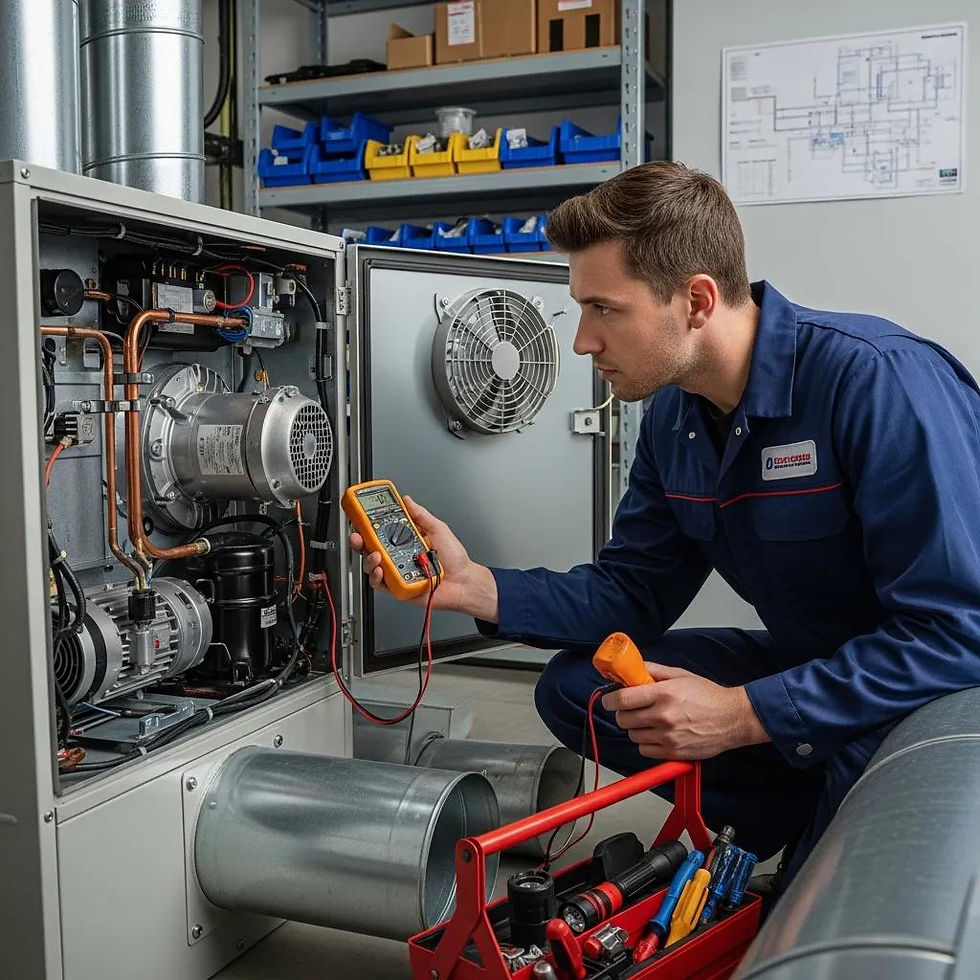
Unusual sounds usually point to loose parts, debris, worn bearings, or failing fans and motors. These noises are a clear sign to inspect the system — and often to call a pro before a small issue becomes a breakdown.
Which Noises Indicate Heat Pump Problems?
A high-pitched squeal often means motor or bearing trouble. Banging can mean loose components or something trapped in the cabinet. Hissing or bubbling may point to refrigerant escaping. Note the sound and when it happens — that helps a technician diagnose it faster.
Pinpointing where HVAC noise comes from is an important step toward fixing it and keeping your home comfortable.
Identifying & Reducing HVAC Noise for Better ComfortHVAC noise affects occupants’ comfort and, over time, can cause fatigue. There are several types and sources of noise in heating and cooling systems; a few sources tend to have the biggest impact on overall sound levels. Identifying and measuring those sources makes it possible to choose effective fixes — whether that means tightening loose parts, adding isolation, or removing debris.Identification of Noise Sources of an Automotive HVAC by Acoustical Duct Method, 2022
How Can I Troubleshoot and Fix Heat Pump Noise Issues?
Start by listening closely: note the sound, when it occurs, and whether it changes with mode (heat vs. cool). Check for visible debris, loose panels, or mounting bolts. For anything beyond a simple tighten or clean, call a technician — regular professional tune-ups are the best way to avoid noisy failures. For reliable diagnosis and repair, consider contacting Colgrove Air.
Why Are My Ducted Heat Pump Energy Bills So High?
Higher bills usually mean the system is working harder than it should. Poor insulation, dirty filters, aging equipment, and restricted airflow raise energy use. Addressing these areas can reduce costs and improve comfort.
What Signs Show Inefficient Heat Pump Operation?
Key signs include poor heating or cooling, odd noises, frequent on/off cycling, and lukewarm air from the vents. If you notice these, it’s time to inspect filters, ducts, and thermostat settings — or call for a professional checkup.
What Causes High Energy Bills from Heat Pumps?
Common causes are gaps in insulation, older or poorly maintained equipment, clogged filters, and systems running longer because they can’t reach set temperatures. An energy audit and routine maintenance can uncover what’s driving costs up.
How Do I Detect and Repair a Refrigerant Leak in My Ducted Heat Pump?
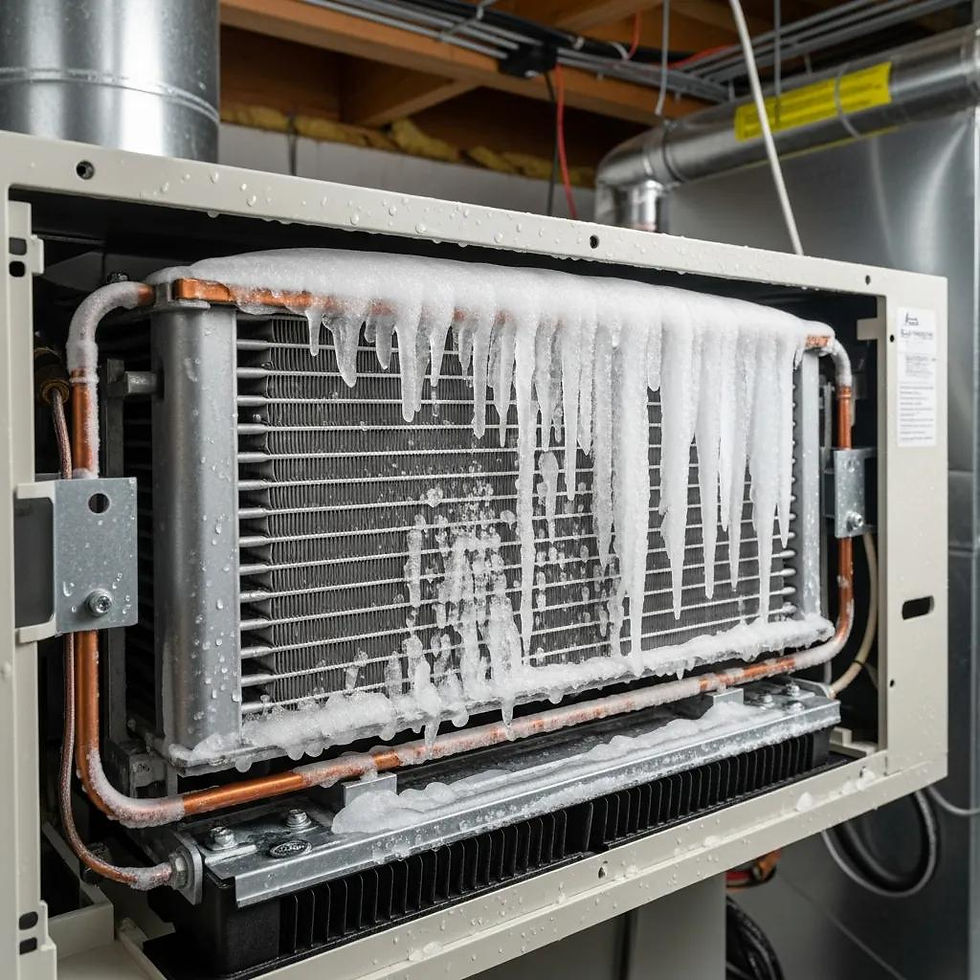
To spot and address a refrigerant leak:
Identify symptoms: lukewarm air from vents, ice buildup on the outdoor unit or coils, and hissing or bubbling sounds.
Call a professional: refrigerant handling and leak repair require certified technicians with the proper tools and permits.
Keep up maintenance: routine inspections and filter changes reduce the chance of leaks and keep the system running reliably.
For repair estimates, call Colgrove Air at 902 830 1676 — we offer free quotes and expert diagnosis.
What Are the Signs of a Refrigerant Leak?
Signs include lukewarm air, ice forming on coils, reduced heating or cooling, and unusual hissing or bubbling noises. If you see these, avoid running the system and schedule a technician visit.
When Should I Call a Technician for Refrigerant Leak Repair?
Call a technician as soon as you notice lukewarm air, ice buildup, or hissing noises. Refrigerant issues won’t resolve on their own and can damage the compressor if left untreated.
How Can I Fix Ducted Heat Pump Airflow Problems?
Airflow problems reduce efficiency and strain the system. Simple upkeep — especially changing filters every 1–3 months — prevents many airflow issues and keeps your heat pump working smoothly.
How Do Airflow Issues Affect Heat Pump Performance?
Restricted airflow forces the system to run longer, uses more energy, and can lead to component stress or failure. Good airflow means lower bills and longer equipment life.
What DIY Steps Can Improve Heat Pump Airflow?
Try these steps:
Change filters: replace them every 1–3 months depending on use.
Clean the outdoor unit: clear leaves, dirt, and debris so airflow isn’t blocked.
Schedule annual inspections: a pro can spot duct leaks, balance airflow, and catch problems early.
Those simple actions often restore performance. For more involved solutions — like duct repairs or a system review — professional service ensures the work is done right. Learn more about professional ducted heat pump installations if you’re planning an upgrade.
Problem | Symptoms | Solutions |
Inadequate Heating/Cooling | Uneven rooms, unit runs nonstop | Regular maintenance, check or replace filters |
Strange Noises | Squealing, banging | Identify sound, tighten or clean, call a pro |
High Energy Bills | Rising monthly costs | Energy audit, insulation, routine service |
Refrigerant Leak | Lukewarm air, ice buildup | Stop use, contact certified technician |
Airflow Issues | Reduced performance | Change filters, clean outdoor unit, inspect ducts |
This quick reference lists the most common ducted heat pump problems, their telltale signs, and practical next steps to get your system back to peak performance.
Frequently Asked Questions
What regular maintenance should I perform on my ducted heat pump?
Keep filters clean by replacing them every 1–3 months, clear debris around the outdoor unit, and schedule an annual professional inspection. These simple steps improve efficiency, reduce breakdowns, and extend equipment life.
How can I improve the energy efficiency of my ducted heat pump?
Improve insulation, change filters regularly, keep the outdoor unit clear, and use a programmable thermostat to avoid unnecessary run time. An energy audit can also point to quick wins for lowering bills.
What should I do if my heat pump is blowing lukewarm air?
Check the thermostat settings and replace dirty filters. If the air stays lukewarm, don’t delay — that can mean low refrigerant or a mechanical fault. Call a technician for a proper diagnosis.
How often should I schedule professional maintenance for my heat pump?
We recommend an annual professional tune‑up. If you notice strange sounds, poor performance, or higher bills, schedule service sooner to prevent bigger repairs.
What are the benefits of using a ducted heat pump over other heating systems?
Ducted heat pumps provide both heating and cooling, distribute air evenly through the home, and are typically more energy-efficient than many electric or gas-only systems. Modern units are also quieter and help improve indoor air quality.
Can I install a ducted heat pump myself, or should I hire a professional?
Installation requires technical knowledge, proper ductwork, and code compliance — we recommend hiring a professional. Proper installation protects system efficiency and often includes warranties for peace of mind.
Conclusion
Taking care of your ducted heat pump pays off: better comfort, lower bills, and fewer surprises. Regular maintenance and quick action on odd sounds or lukewarm air will keep your system running well. If you need expert help in Upper Sackville, get in touch with Colgrove Air for honest advice, dependable repairs, and a free quote.


Comments