
Ducted Heat Pumps: Energy‑Efficient, Whole‑Home Comfort and Long‑Term Savings
Updated: Jul 31

Ducted heat pumps deliver better energy efficiency, more consistent comfort, and the potential to cut heating and cooling costs. Professional repair services can extend a system’s life and restore peak efficiency, helping your home stay comfortable year‑round. Simple maintenance—like changing filters, keeping the outdoor unit clear, and scheduling annual inspections—keeps performance high and prevents costly problems down the road. Below we explain how ducted heat pumps work, highlight their main benefits, and outline what Nova Scotia homeowners should know about installation costs and rebates.
What are ducted heat pumps — and how do they work?
Ducted heat pumps are central HVAC systems that heat and cool a whole home using a network of ducts. They move heat from one place to another, using refrigerant to absorb and release thermal energy efficiently. That heat‑transfer process provides steady temperature control throughout the house, which is why many homeowners choose ducted systems for reliable, energy‑smart comfort.
Understanding the components of a ducted heat pump system
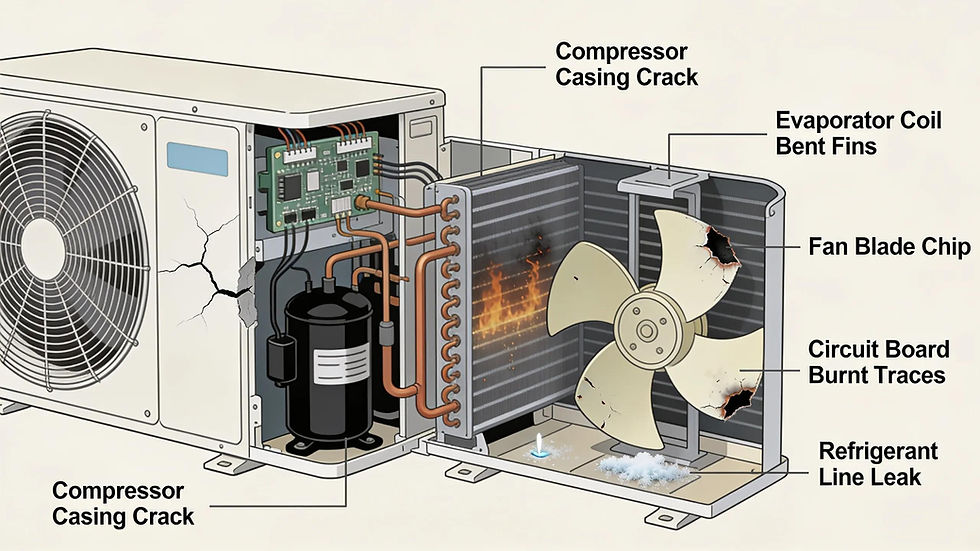
A typical ducted system includes an outdoor unit, an indoor air handler, and ductwork. The outdoor unit contains the compressor and condenser coil; the indoor air handler distributes conditioned air through the ducts. Together these parts allow effective climate control across multiple rooms for consistent comfort.
How ducted heat pumps provide whole‑home heating and cooling
Ducted heat pumps circulate air through ducts to heat or cool every room. In heating mode the system pulls heat from outdoor air and moves it inside; in cooling mode it extracts heat from indoor air and expels it outside. This dual capability makes ducted heat pumps a practical, year‑round solution.
What are the key benefits of installing a ducted heat pump?

The main advantages of a properly installed ducted heat pump include:
Expert diagnosis and lasting solutions: Professional installation and repair let trained technicians find root causes and deliver durable fixes.
Extended lifespan: Correct installation and routine care can keep your system running longer.
Improved energy efficiency: A well‑installed unit uses less energy, lowering your utility bills.
Reliable, whole‑home comfort: Even distribution of conditioned air prevents hot and cold spots.
Fewer costly replacements: Prompt attention to issues reduces the risk of major failures later on.
Consistent maintenance—filter changes, seasonal checks, and outdoor unit cleaning—helps preserve these benefits.
How do ducted heat pumps improve energy efficiency and reduce bills?
Efficiency gains come from both the system design and proper upkeep. Professional technicians can spot and fix issues that sap performance, while routine tasks like replacing filters and clearing debris maintain proper airflow and reduce system strain. Taken together, these steps lower energy use and can shrink your monthly bills.
In what ways do ducted heat pumps enhance indoor air quality?
Ducted systems help improve indoor air quality by moving air through filters that capture dust, allergens, and other particles. Keeping filters clean and following a maintenance schedule ensures the system continues to deliver cleaner air throughout the home—an important advantage for families and allergy sufferers.
How does a ducted heat pump ensure consistent whole‑home comfort?
Ducted heat pumps provide steady heating and cooling across the entire home. Regular maintenance, such as timely filter changes and seasonal inspections, keeps the system operating efficiently. Professional repairs extend equipment life and address problems early, helping maintain balanced airflow and preventing undue stress on the system—so your home stays comfortable no matter the season.
What role does even temperature distribution play in comfort?
Even temperature distribution is key to a comfortable home. Ducted heat pumps are built to deliver conditioned air evenly to all rooms, minimizing hot or cold spots and ensuring every area feels consistent and comfortable.
How do quiet operation and discreet design benefit homeowners?
Many ducted systems run quietly, with the noisier components placed outside. Indoor equipment can be tucked into ceilings or closets, preserving your home’s look while keeping noise to a minimum. That quiet, unobtrusive setup is ideal for homeowners who want performance without sacrificing aesthetics.
What are the environmental and property value advantages of ducted heat pumps?
Ducted heat pumps reduce energy use and greenhouse gas emissions by moving heat instead of burning fuel. Because they rely on ambient air rather than fossil fuels, they lower your home’s carbon footprint. Homes with efficient heating and cooling systems like ducted heat pumps are often more attractive to buyers, which can increase resale value.
How do ducted heat pumps contribute to sustainability and a lower carbon footprint?
Because ducted heat pumps transfer heat rather than generate it from combustion, they typically use less energy than traditional systems. That efficiency translates into lower carbon emissions and supports broader efforts to reduce reliance on non‑renewable energy sources.
Can installing a ducted heat pump increase your home’s market value?
Yes—modern, efficient HVAC systems are a selling point. Buyers often value homes with reliable, energy‑saving heating and cooling, so a ducted heat pump can make your property more appealing and support a higher market value.
What should homeowners in Nova Scotia know about ducted heat pump installation costs and rebates?

Homeowners in Nova Scotia should consider several factors that affect ducted heat pump installation costs, including home size, installation complexity, and the model chosen. Local rebates and incentives may be available to offset upfront expenses—check provincial and municipal programs or speak with a qualified installer to identify applicable savings.
What factors influence the installation and operating costs in Nova Scotia?
Key cost drivers for installation and operation include:
Home size and layout: Larger homes or homes with complicated floorplans often need more ductwork and larger units, which raises costs.
System efficiency ratings: Higher‑efficiency models typically cost more up front but usually deliver bigger energy savings over time.
Installation complexity: Structural modifications, duct repairs, or hard‑to‑access spaces can increase installation time and expense.
Which local government rebates and incentives are available for ducted heat pumps?
Nova Scotia homeowners may qualify for rebates and incentives aimed at improving energy efficiency. These programs change over time, so research current offerings through provincial energy programs, municipal initiatives, or your installer to make sure you take advantage of any available support.
What are common questions about ducted heat pumps from homeowners?
Homeowners often ask about efficiency, suitability, and maintenance. Clear answers help you decide whether a ducted system is the right fit for your home and budget.
How do ducted heat pumps compare to ductless systems?
Both system types are energy‑efficient, but they serve different needs. Ducted systems distribute air through ducts for whole‑home comfort, while ductless (mini‑split) units target specific rooms or zones, offering flexibility without ducts. Choose based on your home layout and whether you need full‑house coverage or spot‑heating and cooling.
What is the typical lifespan and maintenance required for ducted heat pumps?
With proper care, ducted heat pumps commonly last 15 to 20 years. Regular maintenance—changing filters every 1–3 months, scheduling annual professional inspections, and keeping the outdoor unit clear—helps preserve efficiency and extend service life. Address unusual noises or performance issues as soon as they appear to avoid bigger problems.
Frequently Asked Questions
What are the key differences between ducted heat pumps and traditional heating systems?
Ducted heat pumps differ mainly in how they move heat. Traditional systems often generate heat by burning fuel, while heat pumps transfer heat using refrigerant, which typically uses less energy and produces fewer emissions. Heat pumps also provide cooling, offering year‑round climate control and more even temperature distribution across the home.
How can homeowners ensure optimal performance from their ducted heat pump?
Follow a simple maintenance routine: replace air filters every 1–3 months, schedule an annual professional inspection, and keep the outdoor unit free of leaves and debris. Watch for unusual sounds or performance changes and have a technician check them promptly—these steps preserve efficiency and prolong equipment life.
Are ducted heat pumps suitable for all types of homes?
Ducted systems work well in many homes, especially those with existing ductwork. Homes without ducts can still install a ducted system, but doing so may require additional work and expense. The home’s size, layout, and insulation levels will influence suitability—consult an HVAC professional to evaluate your specific needs.
What are the environmental impacts of using ducted heat pumps?
Ducted heat pumps lower overall energy use compared with many conventional systems, which reduces greenhouse gas emissions. Because they transfer heat rather than burn fuel, they align well with efforts to reduce carbon footprints and move toward cleaner home energy solutions.
How do ducted heat pumps perform in extremely cold climates?
Modern ducted units are designed to work in a wide range of temperatures and can extract heat from cold outdoor air. Performance can drop in extreme cold, and some homes may need supplemental heating. If you live in a very cold area, choose models rated for low‑temperature performance and discuss options with an installer.
What should homeowners consider when choosing a ducted heat pump model?
Consider your home’s size, desired efficiency, and heating and cooling needs. Look for high SEER and HSPF ratings for better long‑term savings, and factor in installation complexity and cost. Working with an experienced HVAC professional will help you pick the right system for your home.
Conclusion
Choosing a ducted heat pump can boost your home’s comfort, energy efficiency, and resale appeal. With professional installation and regular maintenance you’ll see better performance, longer equipment life, and potential savings. Investigate local rebates and get advice from a trusted installer to make the transition easier—it's a practical investment in your home's comfort and future.


Comments