
Get More from Your Ducted Heat Pump: Practical Tips for Homeowners
Updated: Jul 31

Keeping your ducted heat pump running efficiently saves you money and keeps your home comfortable year‑round. This guide walks through practical, homeowner-friendly strategies — from thermostat settings and routine upkeep to duct sealing, troubleshooting, and seasonal tweaks for Nova Scotia’s climate. With a few smart habits and timely professional checks, you can reduce energy use and extend the life of your system.
Researchers also point out that heat pumps have measurable environmental and economic effects over their entire life cycle — from manufacture to disposal.
Heat Pump Energy Costs & Climate Impact: A Lifecycle ViewHeat pumps influence greenhouse gas emissions across their full lifecycle. Life Cycle Climate Performance (LCCP) is a standard way to estimate that footprint, requiring inputs such as annual energy use, materials, refrigerant type, and charge level—data typically produced by simulation tools. Integrating local weather data, modelling software, and an LCCP tool makes complex system design easier. This paper introduces an LCCP evaluation tool that uses outputs from the DOE Heat Pump Design Model and AHRI 210/240 building load data to simplify analysis.A hybrid method to evaluate the life cycle climate performance of heat pumps, B Shen, 2023
How to Optimize Thermostat Settings for a Ducted Heat Pump

Small changes to thermostat settings can make a big difference. Proper temperature targets reduce unnecessary runtime and cut energy use without sacrificing comfort. Using a programmable or smart thermostat lets you match heating and cooling to your daily routine so the system runs only when you need it.
Recommended Temperature Ranges for Comfort and Efficiency
For efficient heating, aim for about 20–22°C (68–72°F). For cooling, 24–26°C (75–78°F) strikes a good balance between comfort and lower energy use. These ranges minimize strain on the system and help keep bills down.
Why Programmable and Smart Thermostats Help
Programmable and smart thermostats let you schedule setpoints and reduce temperature when no one is home. Many smart models also adapt to your habits and use real‑time data to optimize performance. When properly integrated with variable speed heat pumps, they can deliver noticeable savings and better comfort.
Recent work examines how smart thermostats interact with heat pumps — highlighting both benefits and integration challenges.
Smart Thermostats & Heat Pumps: Optimizing Home Comfort & EfficiencyTouchscreen, learning thermostats have improved user control over the past decade. Policy incentives and rebates have sped up heat pump adoption recently, but pairing smart thermostats with air‑source heat pumps (ASHPs) isn’t always straightforward: ASHPs with variable‑speed drives often need deeper thermostat integration, while many third‑party thermostats use simple staged control. Factory thermostats can be less intuitive than popular smart models, so careful compatibility and setup are important.Smart Thermostats Plus Heat Pumps: Incompatible? Or Just Need Counseling?, T Peffer, 2024
Key Maintenance Steps to Keep Your Ducted Heat Pump Performing Well
Routine care prevents breakdowns and keeps efficiency high. Regular maintenance—both homeowner tasks and professional inspections—reduces energy waste and extends equipment life.
Change Filters: Clean or replace filters every 1–3 months to keep airflow steady and lower system strain.
Clean the Outdoor Unit: Keep the outdoor unit clear of leaves, dirt, and debris so it can exchange heat efficiently.
Schedule Annual Inspections: A yearly check by a technician catches wear and faults before they turn into big problems.
Seasonal Professional Check‑ups: Time extra inspections around seasonal transitions to ensure optimal performance when demand changes.
Colgrove Air recommends regular maintenance and offers professional services to keep systems running reliably and efficiently.
How Often to Replace or Clean Air Filters
Replace or clean air filters every 1–3 months, depending on household factors like pets or dust. Clean filters maintain airflow, prevent overworking the system, and help control energy costs.
Why a Professional Tune‑up Pays Off
A professional tune‑up ensures your heat pump runs at peak efficiency. Technicians spot issues you might miss, adjust refrigerant levels, test controls, and perform cleaning that prevents inefficiency and costly repairs. Regular professional care saves money over the long term.
Why Duct Sealing and Insulation Matter
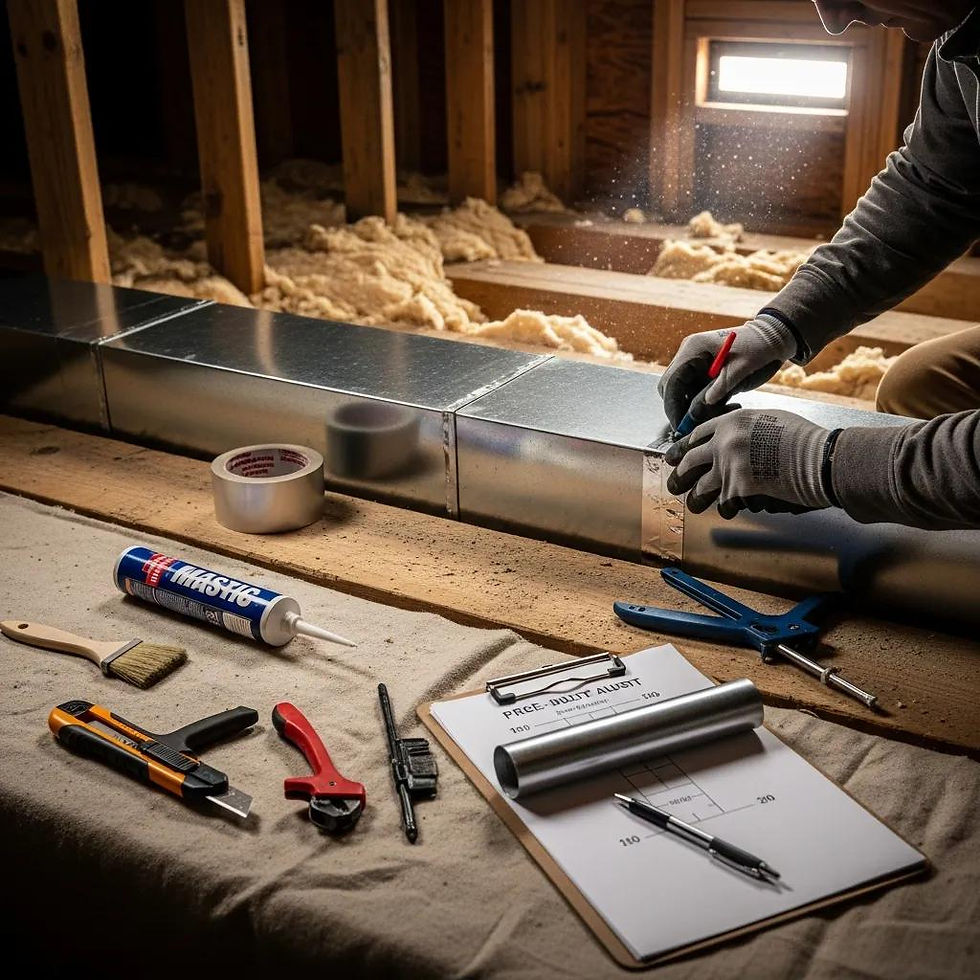
Leaky or uninsulated ducts lose conditioned air before it reaches rooms, forcing the heat pump to run longer. Properly sealed and insulated ductwork preserves conditioned air, improves comfort, and lowers energy bills.
Benefits of Sealing Ducts to Prevent Air Loss
Sealing ducts cuts air leakage to unconditioned spaces and ensures more of the heated or cooled air reaches living areas. The result is lower energy use, steadier temperatures, and a more comfortable home.
Field studies consistently document measurable energy savings after duct sealing interventions.
Boost Heat Pump Efficiency: The Impact of Residential Duct SealingThis project studied duct sealing in homes with forced‑air electric heat pumps to measure energy savings. Researchers monitored energy use, supply air temperature, and thermostat readings before and after sealing ducts—particularly leaks to unconditioned spaces. Post‑retrofit testing showed measurable changes in duct leakage and associated energy consumption.Evaluation of residential duct sealing effectiveness., 1997
How Duct Insulation Saves Energy
Insulating ducts keeps air at the intended temperature as it travels through the system. That reduces heat gain or loss in unconditioned areas and lowers the workload on your heat pump, saving energy and improving performance.
Common Efficiency Problems and How to Troubleshoot Them
Many efficiency issues stem from avoidable problems like clogged filters, blocked outdoor units, or missed maintenance. Simple checks and timely fixes can restore performance quickly.
Change Filters: Replace filters every 1–3 months to preserve airflow and efficiency.
Clean the Outdoor Unit: Remove debris and keep the area around the unit clear.
Schedule Annual Inspections: Have a technician inspect the system each year to find issues early.
Addressing these items promptly improves efficiency and helps your heat pump last longer.
How to Spot and Fix Weak Airflow or Uneven Heating
Look for signs like lukewarm air, rooms that won’t reach setpoint, odd noises, or frequent cycling. These can indicate clogged filters, duct leaks, low refrigerant, or thermostat issues. Start with filter and duct checks; if the problem persists, call a professional to diagnose refrigerant or mechanical faults.
What Causes Frozen Coils and Noisy Units?
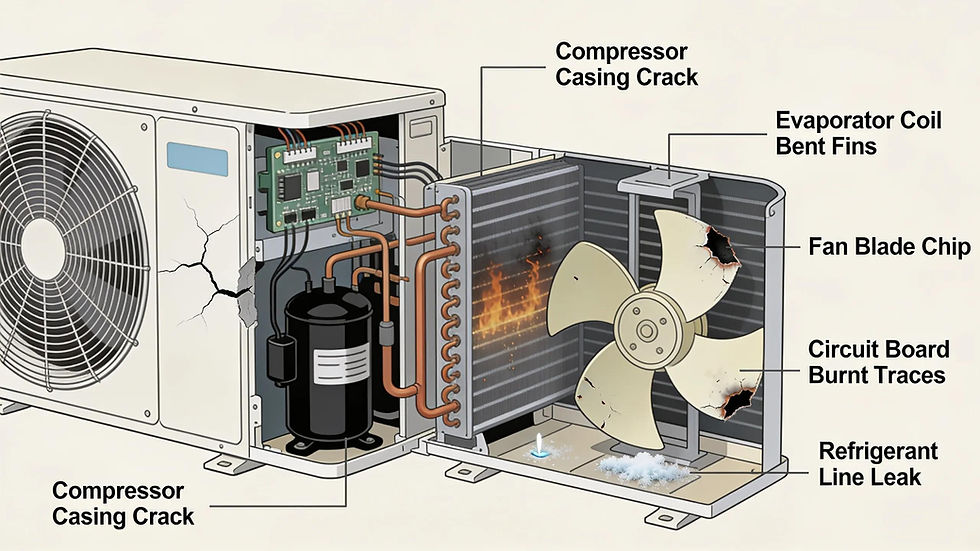
Frozen coils often result from restricted airflow, low refrigerant, or dirty components. Noisy operation can come from loose parts, failing motors, or worn bearings. Routine maintenance and prompt service for these symptoms prevent further damage and restore efficiency.
Understanding SEER2, HSPF2 and Efficiency Ratings
Efficiency ratings like SEER2 (cooling) and HSPF2 (heating) are useful when comparing units. Higher numbers mean better performance and lower operating costs over time, helping you choose equipment that saves energy in the long run.
What SEER2 and HSPF2 Tell You About Performance
SEER2 measures seasonal cooling efficiency; HSPF2 measures seasonal heating efficiency. Choosing a model with higher ratings typically reduces energy consumption and operating costs, especially over the unit’s lifetime.
Choosing ENERGY STAR® Certified Ducted Heat Pumps
Look for ENERGY STAR® certification when shopping for a new unit. Certified models meet strict efficiency guidelines set by Natural Resources Canada (NRCan) or the U.S. EPA, and they usually deliver better performance and lower bills.
Seasonal Tips for Nova Scotia: Keep Your Heat Pump Efficient Year‑Round
Nova Scotia’s changing seasons call for a few targeted adjustments. Proper insulation, draft sealing, and seasonal maintenance keep systems efficient whether you’re heating in winter or cooling in summer.
Winter Settings and Prep
In winter, keep the thermostat at a steady, comfortable level and avoid frequent large changes. Check insulation, seal drafts, and clear snow or ice from the outdoor unit. Regular filter care and a pre‑winter professional tune‑up help ensure reliable performance.
Summer Cooling Best Practices
For summer, maintain regular filter changes and keep the outdoor unit clear of debris. Schedule seasonal checkups so the system is ready for higher cooling loads, and use programmable setback schedules to avoid running the system when no one is home.
Frequently Asked Questions
What are the signs that my ducted heat pump needs maintenance?
Watch for unusual noises, weak airflow, uneven temperatures, ice on coils, frequent cycling, or a sudden rise in energy bills. These symptoms usually mean it’s time for a professional inspection before small issues become costly repairs.
How can I improve indoor air quality with my ducted heat pump?
Use high‑quality filters and replace or clean them every 1–3 months. Consider adding a dehumidifier if humidity is high, and keep ducts clean and well‑sealed. Proper ventilation and routine maintenance will reduce dust, allergens, and mold risk.
What is the lifespan of a ducted heat pump?
Most ducted heat pumps last around 10–15 years, depending on use, maintenance, and installation quality. Regular service and timely repairs can extend that lifespan and maintain efficiency.
Can I install a ducted heat pump myself?
DIY installation is not recommended. Proper installation requires refrigerant handling, electrical work, and duct design expertise. Hiring a qualified HVAC professional ensures safety, code compliance, and optimal system performance.
What should I do if my ducted heat pump is not heating or cooling effectively?
Check thermostat settings, replace dirty filters, and make sure the outdoor unit is clear of debris. Verify ducts are sealed and vents are open. If the issue continues, contact a technician to check refrigerant, controls, and components.
Are there any government incentives for upgrading to a more efficient ducted heat pump?
Yes. Many regions offer rebates, tax credits, or grants for high‑efficiency heat pumps. Check local energy authorities or government program pages for current incentives in your area, as availability varies by region.
Conclusion
Simple, regular actions—correct thermostat settings, routine filter care, sealed and insulated ducts, and timely professional tune‑ups—add up to real energy and cost savings. These steps keep your ducted heat pump efficient, reliable, and longer‑lasting. If you want expert help, explore professional services to keep your system at peak performance.


Comments