
Essential Guide: How Often to Schedule Maintenance for Your Ducted Heat Pump
Updated: Jul 31

We recommend replacing filters every 1–3 months and arranging an annual inspection for your ducted heat pump. For best results, book professional check‑ups twice a year — in spring and fall — so a qualified technician can spot problems before they become costly.
Why regular maintenance matters for your ducted heat pump
Keeping a regular maintenance routine keeps your system running efficiently, improves comfort in your home, and reduces the chance of unexpected repairs. Simple jobs — filter changes, clearing debris from the outdoor unit and routine inspections — keep airflow steady and prevent extra strain. Scheduling seasonal check‑ups with a professional helps catch small issues early and often saves you time and money.
What are the main benefits of regular heat pump maintenance?
The key benefits of regular maintenance are:
Better performance and efficiency: Regular tasks like filter changes and outdoor unit cleaning keep airflow steady and reduce system strain.
Early problem detection: Annual inspections and biannual technician check‑ups find issues before they grow into expensive repairs.
Longer equipment life: Professional servicing and timely repairs help your heat pump last longer.
Lower energy use: Fixing small problems promptly keeps the system running efficiently, which cuts energy costs.
Reduced long‑term costs: Routine care helps avoid costly replacements and keeps your home comfortable year‑round.
How maintenance extends lifespan and improves efficiency
Timely maintenance stops small faults from becoming major failures. Changing filters, cleaning components and regular inspections maintain proper airflow and reduce wear. The result is steadier performance, fewer breakdowns and better energy efficiency over the life of the system.
Recommended maintenance schedule for ducted heat pumps
Follow this simple schedule to keep your system in good shape:
Replace filters every 1–3 months to preserve airflow and reduce strain.
Keep the outdoor unit clean and free of debris.
Arrange an annual professional inspection, plus biannual (spring and fall) check‑ups to catch seasonal issues.
Task | Frequency | Importance |
Filter replacement | Every 1–3 months | Maintains airflow and reduces system strain |
Outdoor unit cleaning | As needed (regularly) | Helps the unit run efficiently |
Annual inspection | Once a year | Identifies wear and potential faults early |
Biannual check‑ups | Twice a year (spring and fall) | Prevents seasonal problems and keeps efficiency steady |
This table outlines essential tasks and how often to do them so your ducted heat pump performs reliably.
Why biannual maintenance is ideal for year‑round comfort
Biannual maintenance — timed for spring and fall — prepares your system for heavy use in summer and winter. Seasonal checks help technicians tune performance, spot seasonal wear and prevent breakdowns when you need heating or cooling the most.
What’s on the spring and fall checklist?

Typical spring and fall tasks include:
Changing filters (every 1–3 months)
Cleaning the outdoor unit and clearing debris
Confirming an annual inspection is booked
Having a professional technician carry out seasonal checks to catch issues early
Completing these items keeps your system efficient and dependable.
DIY maintenance homeowners can do
Homeowners can handle a few straightforward jobs that make a real difference:
Change filters: Swap filters every 1–3 months to keep airflow healthy.
Clean the outdoor unit: Clear leaves, dirt and anything blocking airflow.
Plan annual inspections: Arrange professional checks so experts can spot issues you might miss.
These simple tasks improve performance and reduce the chance of unexpected faults.
How to clean filters and clear debris safely
Always turn the system off before working on it. Remove the filter, vacuum away dust and, if it’s washable, rinse with warm soapy water and let it dry completely before reinstalling. Keep the area around the outdoor unit free from leaves and clutter to maintain airflow and efficiency.
These hands‑on tasks usually carry low maintenance costs, as research on heat pump upkeep shows.
Heat Pump Maintenance: Filter Replacement & Duct CleaningFor routine actions like filter changes, duct cleaning and basic component checks, maintenance costs are often minimal.Detailed cost-benefit analysis of geothermal HVAC systems for residential applications: Assessing economic and performance factors, A Tejani, 2021
When to call a professional instead of doing it yourself
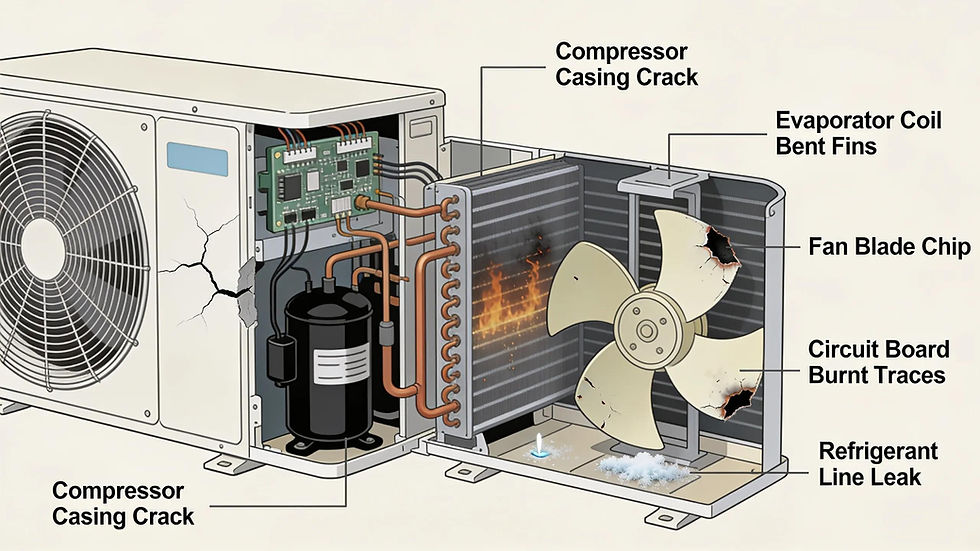
Call a professional when you encounter complex issues or anything beyond routine cleaning. Trained technicians have the tools and expertise to diagnose faults, fix refrigerant or electrical problems, and deliver long‑term solutions. If you hear unusual noises, spot refrigerant leaks, notice electrical faults, or simply don’t feel comfortable doing a task, contact a qualified service provider such as Colgrove Air.
Professional expertise is vital for accurate servicing and fault finding given the complexity of modern heat pumps.
Professional Heat Pump Servicing & Fault Finding ExpertiseServicing and fault finding require trained professionals. Installers should also be competent in installation and commissioning to ensure safe, effective operation.Residential heat pump installations: the role of vocational education and training, 2016
What professional ducted heat pump maintenance covers

A professional maintenance visit typically includes inspecting and replacing filters if needed, cleaning the outdoor unit, checking refrigerant levels, testing electrical components, lubricating moving parts and scheduling follow‑up inspections. Regular professional check‑ups — especially in spring and fall — help keep performance and efficiency high.
Which components do technicians inspect and service?
Technicians check filters, coils and fins on the outdoor unit, refrigerant levels, electrical connections, thermostats and ductwork during seasonal visits. A thorough inspection ensures parts are working correctly and reduces the chance of future problems.
How professional services prevent costly repairs and improve air quality
Professional servicing provides accurate diagnosis and lasting fixes for issues homeowners might miss. That prevents breakdowns, extends equipment life and helps maintain good indoor air quality by ensuring filters and ducts are clean and functioning properly. Regular servicing saves money over time and keeps your home comfortable.
How much does ducted heat pump maintenance cost in Nova Scotia?
Maintenance costs vary with the service scope, system complexity and local rates. In Nova Scotia, a typical maintenance visit can range roughly from CAD $100 to $250, depending on what’s required.
What influences pricing in Lower and Upper Sackville?
Prices can depend on local economic conditions, the technician’s experience, the services requested and seasonal demand. Expect higher rates during busy seasons like spring and fall.
Are there local rebates or incentives for heat pump maintenance?
Rebates are more common for heat pump installations and upgrades than for routine maintenance. Check with local energy authorities — for example, Efficiency Nova Scotia — for current programs and eligibility details.
Signs your ducted heat pump needs immediate service
Spotting issues early prevents further damage and costly repairs. Watch for clear warning signs.
Which common issues mean maintenance is overdue?
Signs that maintenance is overdue include unusual noises, reduced airflow, inconsistent temperatures, ice build‑up on the outdoor unit and rising energy bills. If you see any of these, schedule service promptly.
How troubleshooting helps decide when to schedule service
Simple troubleshooting — like checking filters and listening for abnormal sounds — helps you decide when to call a pro. Regular filter changes and seasonal check‑ups often reveal problems early so you can arrange timely repairs before they escalate.
Frequently Asked Questions
What are the common signs that indicate my ducted heat pump needs maintenance?
Common signs include unusual noises, reduced airflow, uneven heating or cooling, ice on the outdoor unit and higher energy bills. If you notice any of these, arrange a service visit to avoid bigger problems.
How can I improve the energy efficiency of my ducted heat pump?
Improve efficiency by changing filters every 1–3 months, keeping the outdoor unit clear of debris, sealing duct leaks and insulating exposed pipes. Regular professional inspections and seasonal check‑ups also help identify efficiency issues early.
What should I do if my ducted heat pump is making strange noises?
Turn the system off and call a technician if you hear rattling, buzzing or grinding. These sounds can indicate loose parts, electrical faults or mechanical wear — and delaying service can lead to more costly repairs.
Can I perform maintenance on my ducted heat pump myself?
Yes — you can change filters and clear debris around the outdoor unit. For electrical work, refrigerant checks or complex inspections, hire a professional. Know your limits and call a technician when needed.
How often should I schedule professional maintenance for my ducted heat pump?
We recommend at least one professional service visit per year, with biannual check‑ups in spring and fall. Regular professional attention helps maintain performance and extends equipment life.
What are the benefits of hiring a professional for heat pump maintenance?
Professionals offer expert diagnosis, long‑term fixes and the right tools for complex tasks. Regular professional maintenance extends lifespan, improves efficiency and enhances indoor air quality — saving you money over time.
Conclusion
Regular maintenance keeps your ducted heat pump working well, saves energy and prevents costly breakdowns. Follow a simple schedule, carry out basic DIY care and book seasonal professional check‑ups to protect your investment. If you’d like help, explore our professional maintenance services to keep your system running smoothly year‑round.


Comments