
Ducted Heat Pump Installation — A Clear, Step-by-Step Guide for Nova Scotia Homeowners
Updated: Jul 31

Ducted heat pumps are an increasingly popular way for Nova Scotia homeowners to heat and cool their houses efficiently. This guide walks you through each stage of a ducted heat pump installation in straightforward, practical terms. By the end you’ll know what a ducted system is, why professional installation matters, and the main steps from planning to maintenance. Many homeowners worry about choosing the right unit or ending up with a poor installation — this article aims to remove that uncertainty with clear, useful advice on planning, site prep, electrical work, commissioning, upkeep, and typical costs and rebates in Nova Scotia.
Knowing what’s involved from the first site visit to yearly upkeep helps you avoid surprises and get the best performance from your investment.
Key Stages of Residential Heat Pump InstallationPre-installation requirements; installation materials and methods; filling, flushing and pressure testing; commissioning and setting to work; ongoing servicing and fault finding.Residential heat pump installations: the role of vocational education and training, 2016
What Is a Ducted Heat Pump — and why hire a pro?
A ducted heat pump uses a central air handler and ducts to move warm or cool air through your home. We recommend professional installation because our trained technicians have the experience to size the system correctly, set it up for peak efficiency, and catch issues most homeowners wouldn’t spot. Proper installation improves comfort, lowers energy use, and helps the equipment last longer — avoiding costly fixes down the road.
How a ducted heat pump heats and cools your home
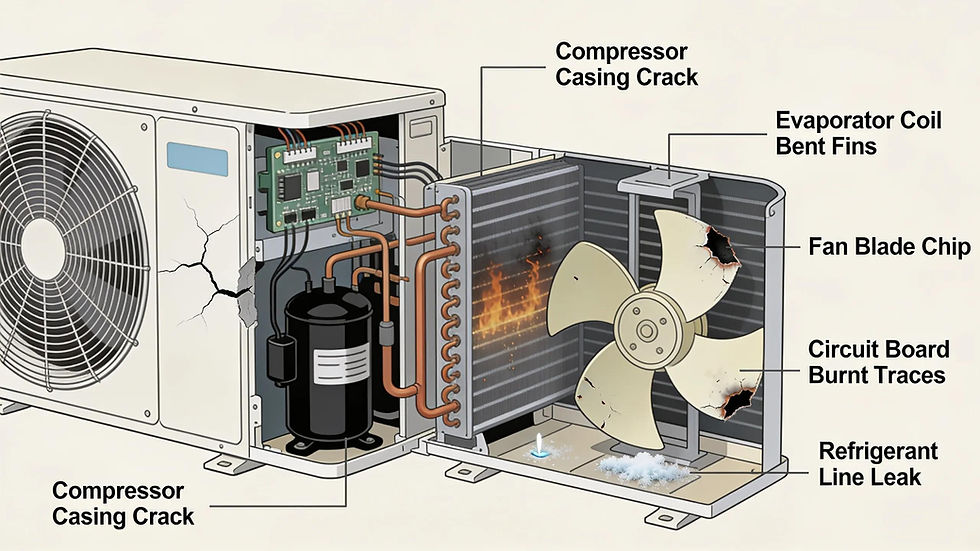
Ducted heat pumps move heat rather than creating it. In winter they pull heat from outside air and bring it indoors; in summer they remove heat from inside and release it outside. The compressor, evaporator and condenser work together to move heat efficiently. When sized and installed correctly, a ducted heat pump can deliver several units of heating or cooling for each unit of electricity it uses — making it an energy-smart choice.
Benefits of professional ducted heat pump installation
Choosing a professional installation gives you:
Accurate diagnosis and lasting fixes — technicians find and correct hidden problems.
Longer equipment life — correct installation reduces wear.
Better energy performance — sealing, balancing, and proper setup matter.
Fewer unexpected costs — early issues are addressed before they become major repairs.
Dependable comfort — your home heats and cools more consistently.
Planning your ducted heat pump install: what to do first
Good planning makes the whole project smoother and the system more efficient. Start by assessing your home’s needs and picking the right system for your space and budget.
Home energy assessment and load calculation in Nova Scotia

A home energy assessment checks insulation, windows, air leaks and other factors that affect heating and cooling. A load calculation uses that information — plus home size and local climate — to determine the correct system capacity. A properly sized ducted heat pump runs more efficiently and keeps your home comfortable with less cycling and wear.
Choosing the right system and finding rebates
When picking a system, consider home size, your budget, and desired features like zoning or smart controls. Nova Scotia has rebate and incentive programs that can lower upfront costs — check with Efficiency Nova Scotia and your utility, such as Nova Scotia Power, for current offers. We’re happy to help you navigate available rebates and choose equipment that qualifies.
Site preparation and where to place units
Correct siting of both outdoor and indoor components affects airflow, noise, and efficiency. Planning placement ahead of time prevents installation delays.
Preparing the outdoor unit and concrete pad
Pick an outdoor location free of obstructions and with good airflow. Install a stable concrete pad so the unit sits level and secure; the pad should be raised about 4 to 6 inches above ground to keep the unit clear of standing water and snow build-up.
Indoor air handler placement and ductwork inspection
The air handler should sit where it can feed the main duct runs efficiently — a central attic, mechanical room or closet is common. Before installation, inspect existing ducts for leaks, blockages or poor insulation. Well-sealed, insulated ductwork reduces energy loss and keeps the system running quietly and efficiently.
Electrical, refrigerant lines and thermostat setup
These technical steps are essential for safe, reliable operation. They must meet code and manufacturer requirements.
Electrical wiring and safety requirements
Electrical work must follow the Canadian Electrical Code and any Nova Scotia amendments. That means the correct wire gauge, secure, weatherproof connections, and safety devices like breakers and disconnect switches. Our technicians handle code-compliant wiring so the system is protected and inspected correctly.
Installing refrigerant lines and setting up smart thermostats
Refrigerant lines are installed carefully to avoid leaks and ensure efficient heat transfer. After installation, lines are evacuated and charged to manufacturer specs and environmental rules. Adding a smart thermostat gives you better temperature control, scheduling and remote access — which helps save energy and keeps your home comfortable.
Commissioning, testing and maintaining your ducted heat pump
After installation we commission and test the system, then outline a maintenance plan so performance stays strong year after year.
Commissioning: Verify proper installation, tight connections and correct refrigerant charge. Confirm thermostat operation and control settings.
Testing: Run the system to check airflow, temperature rise/drop and listen for unusual noises or vibration.
Maintenance: Replace filters every 1–3 months to keep airflow steady and reduce strain.Keep the outdoor unit clear of leaves and debris.Book an annual inspection with a qualified technician for seasonal tune-ups and early issue detection.
Regular maintenance preserves efficiency and extends equipment life. When problems arise, professional repair ensures accurate diagnosis and lasting solutions.
Performance checks for efficiency and comfort
Key checks include routine filter changes, cleaning the outdoor unit, and annual professional inspections. These simple steps help the system run efficiently and keep your home comfortable throughout the year.
Routine maintenance checklist and troubleshooting
Your basic maintenance checklist:
Change filters every 1–3 months to maintain airflow.
Keep the outdoor unit clean and unobstructed.
Schedule yearly inspections to catch small issues early.
Have seasonal checks performed by a licensed technician.
If you experience persistent problems, contact a professional. Technicians have the tools and training to find root causes and provide long-term repairs.
Costs and financing for ducted heat pump installation in Nova Scotia

Installation costs vary based on system size, ductwork condition and any extra features. Knowing typical price ranges and financing options helps you plan.
How much does installation cost and what affects pricing?
In Nova Scotia, a ducted heat pump installation commonly ranges from $7,000 to $15,000. Price depends on system capacity, efficiency rating, installation complexity, and whether ductwork needs repair or upgrades. Getting several quotes from licensed contractors is the best way to compare value.
Financing and rebate programs available to Nova Scotia homeowners
There are financing and incentive programs that can lower your upfront cost. Options may include low-interest loans, grants, and rebates for qualifying energy-efficient systems. Check with local utilities and government programs for up-to-date eligibility and application details.
Financing Option | Description | Eligibility Criteria |
Low-Interest Loans | Affordable loans for energy-efficient upgrades | Homeowners with good credit |
Grants | Financial assistance for qualifying installations | Low-income households |
Rebates | Cash back for installing energy-efficient systems | Must meet specific energy efficiency standards |
This overview helps you weigh financing routes and find the best path for your budget and goals.
With clear planning and the right installer, a ducted heat pump can improve comfort, lower energy use, and add long-term value to your home in Nova Scotia.
Frequently Asked Questions
What are common signs my ducted heat pump needs service?
Watch for uneven temperatures, strange noises like grinding or rattling, a sudden jump in energy bills, reduced airflow, or frequent short cycling. Any of these signs warrants a professional inspection.
How long does installation usually take?
Most installs take one to three days. A straightforward replacement on a prepared site can be done in a day; more complex installations or ductwork upgrades take longer. Your installer will give a more precise schedule after assessing the home.
Can I install a ducted heat pump myself?
DIY installation is not recommended. Proper electrical work, refrigerant handling and code compliance require certified technicians. Professional installation protects your warranty and ensures safe, efficient operation.
How long will a ducted heat pump last?
Typical lifespan is about 15–20 years with regular maintenance. Routine care like filter changes and annual service help maximize life and efficiency.
Are ducted heat pumps better for the environment?
Yes. Heat pumps transfer heat using electricity rather than burning fuel, which can lower greenhouse gas emissions compared with combustion systems. Choosing a high-efficiency unit and pairing it with renewable electricity improves environmental benefits.
What should I do if my system isn’t heating or cooling properly?
First check thermostat settings and replace dirty filters. Make sure the outdoor unit isn’t blocked. If those steps don’t help, call a qualified technician to diagnose refrigerant levels, airflow issues or electrical faults.
Conclusion
Understanding the installation steps, costs and maintenance needs helps Nova Scotia homeowners make confident choices about ducted heat pumps. Professional installation and regular service deliver better efficiency, comfort and equipment life. Explore available rebates and financing, and if you’re ready to move forward, contact our team to discuss options and get a clear plan tailored to your home.


Comments