
Discover the Top Advantages of Adding a Ductless Heat Pump to Your Home
- Nicholas Menezes
- Apr 10
- 4 min read
Updated: Jul 31
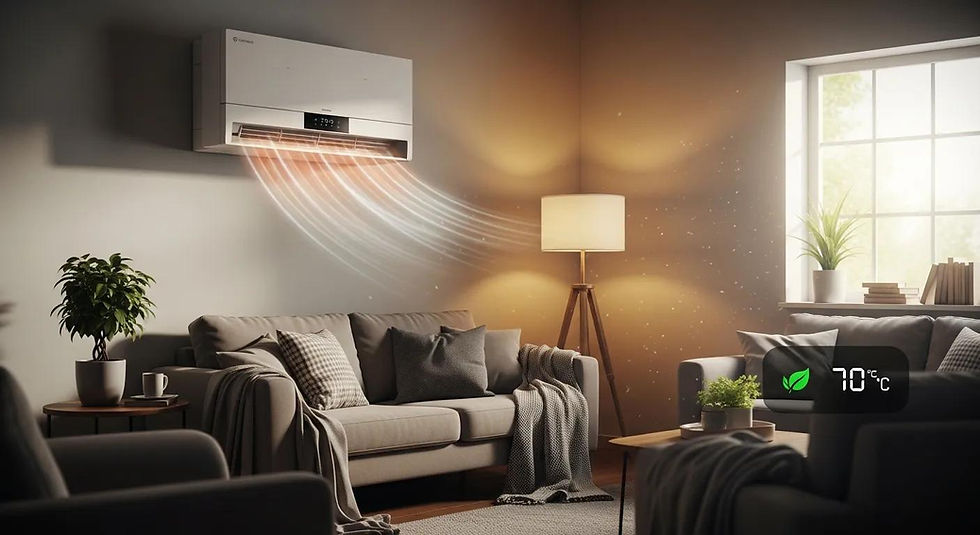
Ductless heat pumps are a popular choice for homeowners who want efficient heating and cooling without ductwork. They improve comfort, often lower energy costs, and can reduce airborne particulates. This guide summarises the main advantages, explains how these systems save energy, covers installation and maintenance expectations, and outlines incentives available in Nova Scotia to help with the upfront cost.
What Are the Key Benefits of Installing a Ductless Heat Pump?
Ductless heat pumps offer clear, practical benefits for many homes. Key advantages include:
Cost Savings: High efficiency typically reduces monthly heating and cooling bills versus some conventional systems.
Improved Comfort: Precise temperature control and room-by-room settings reduce hot and cold spots.
Environmental Impact: Lower operational emissions compared with fossil-fuel-based systems when paired with clean electricity.
Colgrove Air, a Nova Scotia HVAC provider, can help with system selection and professional installation to ensure owners realise these advantages.
How Does a Ductless Heat Pump Improve Energy Efficiency?

Ductless heat pumps move heat between indoors and outdoors using refrigerant, so they transfer thermal energy instead of creating it from electricity or combustion. Variable-speed compressors modulate output to match load, reducing cycling losses. Many homeowners see meaningful energy reductions compared with older electric or direct-resistance systems.
What Comfort and Zoning Advantages Do Mini Split Heat Pumps Offer?
Mini-split systems use compact indoor units for individual rooms or zones. Zoning lets you heat or cool only occupied spaces, improving comfort and saving energy in unused areas.
Peer-reviewed and technical reports further substantiate the versatility of mini-split systems, particularly for retrofitting existing buildings where ductwork is impractical.
Mini-Split Heat Pumps for Cold Climate RetrofitsABSTRACT: Mini-split heat pumps can provide space heating and cooling in many climates and are relatively affordable. These and other features make them potentially suitable for retrofitting into multifamily buildings in cold climates to replace electric resistance heating or other outmoded heating systems. This report investigates the suitability of mini-split heat pumps for multifamily retrofits.Mini-Split Heat Pumps Multifamily Retrofit Feasibility Study, 2014
Because ductless units deliver conditioned air directly to rooms, they avoid duct leakage and reduce dust and allergen movement that can occur in ducted systems.
How Does the Installation Process and Cost Compare for Ductless Heat Pumps?
Installation is usually faster and less invasive than installing ducts. Technicians mount indoor units on walls and run small refrigerant and condensate lines through short wall penetrations. Many standard residential installs can be finished in a day with minimal structural work.
Equipment costs can be higher than the simplest electric heaters, but ductless systems often require less labour and no duct fabrication. When lifetime energy savings and lower maintenance are factored in, the overall investment is frequently competitive.
Installation Type | Average Cost | Timeframe |
Ductless Heat Pump | $3,000 - $5,000 | 1-2 days |
Ducted System | $5,000 - $10,000 | 2-3 days |
The table highlights typical costs and timelines; exact pricing depends on home size, number of zones, and unit selection.
What Maintenance Is Required to Ensure Longevity of Ductless Heat Pumps?

Regular upkeep keeps performance high and extends service life. Follow the manufacturer's schedule and address small issues early.
Filter Maintenance: Clean or replace filters every 1–3 months to maintain airflow and efficiency.
Professional Inspections: Have an HVAC technician inspect the system annually to check refrigerant charge, electrical connections, and general operation.
Common Issues to Watch For: Listen for unusual noises, check for reduced airflow, and note inconsistent temperatures; these often signal service is needed.
Consistent maintenance preserves efficiency and reliability throughout the year.
What Environmental and Financial Incentives Support Ductless Heat Pump Adoption in Nova Scotia?
Incentive programs in Nova Scotia and at the federal level can reduce the net cost of efficient heating systems and encourage low-carbon upgrades.
Provincial Rebates: Nova Scotia offers rebates for qualifying energy-efficient heating system installations, including ductless heat pumps.
Federal Incentives: Federal programs may provide additional support for energy upgrades that meet eligibility criteria.
Application Process: Consult your HVAC provider to confirm eligibility and complete required documentation before installation.
These programmes lower upfront costs and make the transition to low-carbon heating more affordable.
For those interested in other configurations, ducted heat pump installations are also available.
To learn more about our services, visit Colgrove Air today.
If you are considering a new system, review the HVAC services offered to ensure the chosen solution matches your home's needs.
Frequently Asked Questions
What is the lifespan of a ductless heat pump?
Typical service life is 15–20 years with regular maintenance. Timely filter cleaning and annual professional checks help achieve the upper end of this range.
Can ductless heat pumps be used in all climates?
Many models perform well in cold climates; choose units rated for low-temperature operation in regions with severe winters.
How do ductless heat pumps compare to traditional heating systems?
Ductless systems generally offer higher operational efficiency and zoning benefits, which can lower energy use and improve indoor air quality compared with ducted furnaces or baseboard heaters.
Are ductless heat pumps noisy during operation?
Indoor units are usually quiet, similar to household appliances. The outdoor compressor is more audible; selecting low-noise models and proper placement reduces disturbance.
What are the energy efficiency ratings for ductless heat pumps?
Cooling is measured by SEER and heating by HSPF. Higher numbers mean better efficiency; many homeowners opt for SEER ~16+ and HSPF ~9+ for balanced year-round performance.
Can I install a ductless heat pump myself?
DIY installation is possible for skilled individuals, but professional installation is recommended to size equipment correctly, charge refrigerant properly, meet code, and protect warranties.
Conclusion
Ductless heat pumps deliver efficient, zoned heating and cooling with lower duct losses and improved comfort. Available incentives in Nova Scotia and professional installation options make them a practical upgrade for many homeowners. Contact Colgrove Air for an assessment and to discuss the best solution for your home.


Comments