
Ducted Heat Pumps: Energy‑Smart Heating and Cooling for Nova Scotia Homes
Updated: Jul 31

Ducted heat pumps are fast becoming a go-to choice for homeowners across Nova Scotia. They cut energy use, smooth out temperature swings, and can lower monthly heating costs. This page explains what ducted heat pumps do, how their efficiency is measured, and which rebates can help with installation. If high energy bills or patchy heating are a concern, a ducted heat pump is a practical alternative to older systems. We'll walk through how they work, how they compare to traditional heating, and what Colgrove Air — a local, trusted HVAC team — can do to help.
What Is a Ducted Heat Pump and How Does It Improve Energy Efficiency?
A ducted heat pump is a single HVAC system that moves conditioned air through ducts to heat or cool your whole home. Instead of burning fuel, it moves heat in or out, so it uses much less energy than many older systems. Regular upkeep — changing filters, checking ductwork, and annual inspections — keeps performance high. Professional service when something’s wrong also prevents bigger problems and helps the system run efficiently for years.
How Do Ducted Heat Pumps Work to Save Energy?
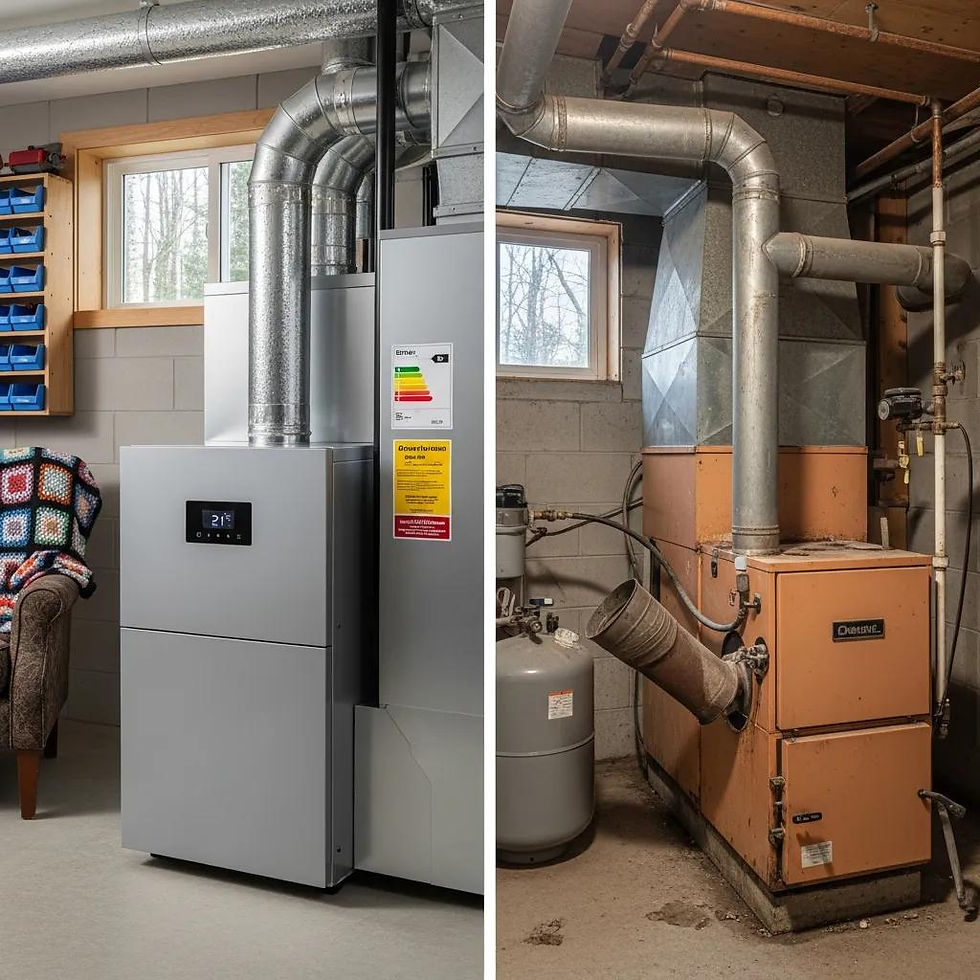
Rather than creating heat, heat pumps transfer it. In winter they pull heat from outside air and bring it inside; in summer they reverse the flow. Because moving heat is more efficient than producing it with combustion or electric resistance, you get more heat for each unit of electricity. Simple maintenance — clean filters, clear the outdoor unit, and timely repairs by trained technicians — reduces strain on the system and keeps operating costs down.
What Are the Key Efficiency Ratings: SEER2, EER2, and HSPF2?
When comparing systems, look at SEER2, EER2 and HSPF2. SEER2 shows seasonal cooling efficiency, EER2 measures efficiency at peak cooling conditions, and HSPF2 reflects heating efficiency across the heating season. Higher numbers mean better efficiency, lower energy bills, and a smaller environmental footprint.
How Much Energy and Cost Savings Can Nova Scotia Homeowners Expect?
Switching to a ducted heat pump can cut home energy use substantially, especially compared with oil or electric-resistance heating. Exact savings depend on your home, system choice, and usage patterns, but many homeowners see meaningful reductions on their bills.
How Do Ducted Heat Pumps Compare to Oil Furnaces and Electric Baseboard Heaters?
Compared with oil furnaces (often 80–90% efficient) or electric baseboards, a ducted heat pump typically delivers far more heat per unit of electricity. A coefficient of performance (COP) of 3 or higher means the system can produce three units of heat for every unit of electricity used under good conditions — a clear reason many homeowners save on their energy bills after switching.
What Are Typical Installation Costs and Long-Term Savings?
Installation costs vary with system size, the complexity of ductwork, and other factors. Expect a typical range of $7,000 to $12,000. While that is an upfront investment, long-term savings can be significant — homeowners often report energy bill reductions in the 40–50% range. With proper care, a ducted heat pump can last 15 years or more, making it a solid long-term upgrade.
What Are the Environmental and Indoor Air Quality Benefits of Ducted Heat Pumps?
Ducted heat pumps lower fossil‑fuel use and, when paired with cleaner electricity, reduce home greenhouse gas emissions. They also support healthier indoor air when paired with good filtration and regular maintenance.
How Do Ducted Heat Pumps Reduce Carbon Footprint in Nova Scotia Homes?
Replacing an oil or propane system with a ducted heat pump can cut a home's heating‑related emissions substantially — often by 30–50%, depending on the electricity mix and the efficiency of the old system. For homeowners focused on sustainability, that’s a meaningful step.
How Do They Improve Indoor Air Quality and Comfort Year-Round?
When maintained, ducted systems help keep airflow consistent and reduce dust and allergens through proper filtration. Simple habits — changing filters every 1–3 months, keeping vents clear, and booking annual tune‑ups — preserve comfort and system efficiency. Early professional diagnostics catch issues before they become costly problems.
Are Ducted Heat Pumps Effective in Nova Scotia’s Cold Climate?
Yes. Modern ducted heat pumps are engineered to work well in colder regions, and recent model improvements mean reliable winter performance for most homes in Nova Scotia.
What Advances in Cold-Climate Heat Pump Technology Ensure Reliable Heating?
Manufacturers have improved compressor designs, added variable‑speed operation, and introduced better refrigerants and controls. These improvements let units keep working efficiently at much lower outdoor temperatures than older models, so homeowners can depend on steady heat through winter.
Independent research supports the improved performance of these cold‑climate systems in Canadian conditions.
Cold‑Climate Ducted Heat Pump Performance in CanadaAdvances in inverter‑driven compressors and controls have brought cold climate air‑source heat pumps (CC‑ASHP) to the Canadian market. These systems can meet space‑heating needs at much lower outdoor temperatures than earlier models. The referenced study reports laboratory performance tests on two popular CC‑ASHP types: a centrally ducted 3‑ton split system for whole‑house heating and cooling, and a 1‑ton ductless unit for zone heating and cooling.Detailed performance assessment of variable capacity inverter-driven cold climate air source heat pumps, 2018
How Does Performance Compare During Subfreezing Temperatures?
Test and field data show many modern ducted heat pumps retain 70–80% (or more) of their rated heating capacity at temperatures as low as −15°C to −20°C. That makes them a dependable option through the coldest stretches of winter while still offering energy savings.
What Rebates and Incentives Are Available for Ducted Heat Pump Installation in Nova Scotia?
There are provincial and federal programs that can help offset installation costs for high‑efficiency heat pumps.
Which Provincial and Federal Programs Can Homeowners Access?
Homeowners should look at Efficiency Nova Scotia incentives and federal programs such as the Canada Greener Homes Grant. These programs often provide cash rebates or grants for qualifying high‑efficiency ducted heat pump installations, making the upgrade more affordable.
How to Apply for Rebates and Maximize Savings?
Start by checking eligibility requirements for each program and confirm your chosen equipment and installer meet those rules. Applications usually require proof of purchase and installation and sometimes pre‑ and post‑installation energy evaluations. Reviewing all available incentives and working with a certified installer helps ensure you get the maximum available support.
Why Choose Colgrove Air for Your High-Efficiency Ducted Heat Pump Installation?

Colgrove Air is a locally owned HVAC and electrical services company based in Upper Sackville, Nova Scotia. We pride ourselves on clear communication, careful installations, and service you can count on — from the first estimate to ongoing maintenance. If you're considering a ducted heat pump, we can help you choose the right system and complete the installation to code.
What Makes Colgrove Air’s Installation and Maintenance Services Unique?
Our technicians provide a full‑scope service: accurate sizing, clean and safe installations, and hands‑on diagnostics to solve complex issues. We focus on long‑term reliability rather than quick fixes — which helps your system last longer and perform better. Local homeowners frequently tell us they appreciate our timely responses and clear explanations.
How Do Local Testimonials Reflect Energy Savings and Comfort Improvements?
Customer feedback often highlights noticeable reductions in energy bills and steadier home temperatures after installation. Homeowners point to professional repairs and preventive maintenance as reasons their systems run more efficiently and reliably year after year. Those experiences reflect the real value of doing the job right.
Efficiency Rating | Description | Importance |
SEER2 | Seasonal Energy Efficiency Ratio — measures cooling efficiency over a typical cooling season | Higher values mean lower cooling costs over the season |
EER2 | Energy Efficiency Ratio measured at peak cooling conditions | Useful for understanding performance during the hottest hours |
HSPF2 | Heating Seasonal Performance Factor — measures heating efficiency across the heating season | Key for estimating winter energy use and heating costs |
Ducted heat pumps deliver energy savings, improved comfort, and better indoor air quality when installed and maintained correctly. Understanding how they work and what incentives are available helps you decide if a ducted system is right for your home. Colgrove Air is ready to support installation and ongoing service so you can enjoy those benefits with confidence — learn more about our installation and maintenance services.
Frequently Asked Questions
What maintenance is required for ducted heat pumps?
Keep filters clean (typically every 1–3 months), clear debris from the outdoor unit, and book an annual inspection with a qualified technician. Routine checks include refrigerant levels, airflow, and ductwork condition. Regular maintenance preserves efficiency and prevents costly repairs.
Can ducted heat pumps be used for both heating and cooling?
Yes. Ducted heat pumps provide both heating in winter and cooling in summer by reversing refrigerant flow, giving you year‑round climate control with a single system.
What factors influence the efficiency of a ducted heat pump?
Efficiency depends on correct sizing, quality of installation, ductwork condition, home insulation, and outdoor temperature. Good installation and regular maintenance are essential to achieve rated efficiency and lower operating costs.
How do ducted heat pumps perform in extremely cold temperatures?
Modern, cold‑climate models keep working at low temperatures. Many maintain 70–80% of rated heating capacity down to around −15°C to −20°C thanks to variable‑speed compressors and improved refrigerants. Performance varies by model and site conditions.
What are the long-term benefits of installing a ducted heat pump?
Long‑term benefits include lower energy bills, improved indoor comfort, reduced emissions, and consistent whole‑home temperature control. With proper care, systems can last 15+ years, making them a durable investment.
Are there any specific rebates for ducted heat pump installation in Nova Scotia?
Yes. Programs such as Efficiency Nova Scotia and federal initiatives like the Canada Greener Homes Grant can provide rebates or grants for qualifying high‑efficiency installations. Always confirm eligibility and documentation requirements before you install.
Conclusion
Ducted heat pumps are a practical path to lower energy bills, steadier home comfort, and reduced emissions for Nova Scotia homeowners. By choosing the right equipment, using available incentives, and relying on professional installation and maintenance, you can get the most from your system. Colgrove Air is here to help at every step — from choosing the right unit to keeping it running smoothly for years to come. Explore our services to get started.


Comments