
Why Ductless Heat Pumps Make Sense for Nova Scotia Homes: Savings, Comfort and Local Benefits
- Nicholas Menezes
- Nov 17, 2025
- 12 min read

Ductless heat pumps — often called mini‑splits — move heat instead of producing it. Using inverter compressors and refrigerant lines, they offer efficient heating and cooling year‑round for Nova Scotia homes. This guide walks you through how ductless systems can lower operating costs versus electric baseboards and oil furnaces, provide room‑by‑room comfort, and fit older houses where ducts aren’t practical. We explain energy ratings (SEER2 and HSPF2), cold‑climate performance, local rebates and financing in Nova Scotia, and what to expect when installing a system around Halifax. You’ll also get straightforward advice on maintenance, indoor air quality, and the steps to apply for incentives — plus why professional installation matters. Read on for clear comparisons, practical checklists, and locally relevant steps to decide if a ductless heat pump is right for your home.
Why Ductless Heat Pumps Work Well in Nova Scotia

Ductless heat pumps are a strong fit for Nova Scotia because they move heat efficiently with inverter technology, cutting the energy losses that come with resistance heaters and leaky ducts. Inverter compressors adjust speed to keep temperatures steady while using less electricity, which generally means lower bills and steadier comfort. Because mini‑splits have no ducts, you avoid duct losses, get simple zone control, and can retrofit with minimal disruption — a real advantage for older homes in Halifax and Dartmouth. Below we break down how the efficiency works and what realistic cost savings look like so you can weigh long‑term value.
Key, immediate benefits for Atlantic Canada’s cold‑climate homes:
High efficiency from inverter modulation and strong HSPF2/SEER2 ratings.
Zoned comfort that heats or cools only the rooms you use.
Low‑impact installs for homes without ductwork.
Together, these advantages make ductless systems a practical alternative to electric baseboards or ageing oil furnaces when energy savings and targeted comfort matter.
How Ductless Heat Pumps Deliver Better Energy Efficiency in Nova Scotia
Ductless heat pumps pair inverter compressors with high HSPF2 and SEER2 ratings so the system matches output to demand instead of constantly turning on and off. That modulation lowers electricity use during steady operation and improves part‑load efficiency — which is where most home heating hours happen. Without ducts, you also avoid thermal losses and pressure issues that can sap efficiency, especially in older houses with uninsulated cavities. Knowing how the parts work together helps explain why a modern cold‑climate mini‑split can outperform electric resistance heat in both cost and comfort.
How individual components affect performance:
System Component | How It Works | Benefit for Homeowner |
Inverter compressor | Varies speed to match the heating or cooling load | Smoother temperatures and lower electricity use |
Indoor air handler | Delivers conditioned air directly to a room | Removes duct heat loss and enables true zoned control |
Refrigerant loop | Moves heat between indoor and outdoor units | Efficient heat transfer with less energy than resistance heat |
This component view shows why ductless systems cut bills and raise comfort, and it sets up a practical cost comparison against common heating options.
What Cost Savings Can Homeowners Expect from a Ductless Heat Pump?
Switching from electric baseboards or an oil furnace to a ductless heat pump usually brings noticeable reductions in annual heating costs, though exact savings depend on the fuel replaced, home size, insulation and how you use the system. Many Nova Scotia homeowners see lower energy bills after installing high‑efficiency mini‑splits. Keep in mind upfront costs are typically recovered over several years; lower operating costs and available incentives can shorten that payback. To estimate your savings, compare current seasonal bills with projected consumption using the system’s HSPF2 and SEER2 ratings and get a site‑specific quote.
Quick takeaways on likely outcomes:
Replacing electric baseboards with a high‑efficiency mini‑split often cuts monthly heating costs.
Replacing oil heating can reduce both fuel costs and your home’s carbon footprint, though results depend on oil prices and usage.
Insulation and correct system sizing strongly affect real savings, so start with a pre‑install assessment.
These cost points naturally lead into rebates and financing options that can lower upfront expense and improve payback timelines.
How Ductless Heat Pumps Improve Comfort and Indoor Air Quality

Ductless heat pumps boost comfort and indoor air quality by giving precise temperature control, reducing dust circulated through ducts, and offering filters at the room level. Each indoor unit controls its zone independently, cutting temperature swings and letting you prioritize occupied spaces. Unit filters trap particulates close to where you live instead of letting dust recirculate through long duct runs, and many systems offer good humidity control that improves perceived warmth and breathing comfort. Below we unpack zoned control and IAQ benefits in practical terms.
Convenience features that improve daily use:
Room remotes and wall controllers for quick adjustments.
Wi‑Fi models with scheduling and energy tracking via apps.
Multi‑zone setups so families can tailor temperatures by room.
These controls reduce wasted conditioning while supporting both energy savings and occupant comfort.
What Is Zoned Comfort and Why It Helps Homeowners
Zoned comfort means each indoor unit runs independently, so you heat or cool only the rooms you’re using. That cuts energy by avoiding conditioning empty spaces and settles temperature disagreements between rooms. Common zoning layouts put a unit in living areas, another for bedrooms, and separate units for additions. Smart schedules and occupancy timers further improve efficiency by aligning operation with daily life.
Typical zoning examples and benefits:
Living room and kitchen on one zone for daytime comfort.
Bedrooms on separate zones for cooler nights and energy savings.
Basement or an addition on its own zone to avoid over‑conditioning the rest of the house.
These examples show how targeted conditioning both saves energy and raises perceived comfort, which guides system selection and placement during installation.
How Ductless Heat Pumps Help Indoor Air Quality in Halifax Homes
Ductless systems improve indoor air quality (IAQ) through local filtration, less duct‑borne dust, and better humidity control — useful for people with allergies or sensitivities. Indoor handlers usually include washable or replaceable filters and can have higher‑efficiency media to capture fine particles right where you live. Because air doesn’t travel long duct runs, there’s less chance of built‑up dust, mould spores, or pollen reentering living spaces. Regular filter care and annual service keep those IAQ benefits in place and extend system life.
Simple IAQ maintenance tips:
Check and clean or replace filters every 1–3 months depending on use and indoor conditions.
Book a professional service yearly to confirm refrigerant charge and airflow.
Use the unit’s dehumidify mode in humid months to stabilise indoor moisture and lower mould risk.
Following these steps preserves comfort and indoor air quality while supporting long‑term system performance.
Why Ductless Heat Pumps Are a Good Fit for Nova Scotia’s Climate and Older Homes
Modern cold‑climate ductless models keep useful heating capacity at lower outdoor temperatures and provide efficient summer cooling — a good match for Nova Scotia’s coastal climate. Compact indoor units and small wall penetrations make mini‑splits a strong retrofit choice for older or heritage homes where preserving original trim and finishes matters. Because they don’t need full duct systems, installs are quicker and less invasive, reducing disruption and protecting historic details. The sections below cover cold‑weather performance and retrofit tips for Halifax‑area homes.
For older houses, focus on low‑profile indoor units and careful placement to limit visual impact and protect heritage features.
Can Ductless Heat Pumps Handle Nova Scotia’s Winters?
Yes — many modern ductless models are built for cold climates and retain useful heating capacity well below typical winter lows. Advanced compressors and refrigerant controls reduce capacity loss as temperatures fall, so cold‑climate mini‑splits can be a practical main heat source in many Nova Scotia homes. In places with extremely low periods, you may pair the heat pump with auxiliary heat or ensure accurate sizing to cover the coldest hours. Choosing cold‑climate models and getting a proper load calculation makes winter performance predictable.
Practical homeowner guidance:
Pick units rated for cold‑climate operation with proven low‑temperature capacity.
Base sizing on a professional load calculation, not rules of thumb.
Plan backup heat only where site conditions or exceptional lows make it necessary.
These steps reduce winter uncertainty and support reliable year‑round comfort.
Why Ductless Heat Pumps Work Well in Older and Heritage Homes in Halifax
Ductless heat pumps suit older and heritage homes because they require only small line‑set penetrations, helping preserve mouldings, trim and structure. Indoor units can be wall or ceiling mounted, or installed as cassettes to match interior style while delivering performance. Installers can route lines discreetly and hide hardware to keep historic sightlines intact. Work with installers on unit placement and finish choices so you get effective heating without compromising heritage character.
Realistic expectations for retrofit projects:
Minimal drywall cutting and a shorter installation timeline versus full duct retrofits.
Options in indoor unit styles to complement your home’s look.
Coordinated planning so equipment placement supports preservation goals and comfort needs.
This low‑intrusion, high‑performance mix makes ductless systems an attractive way to improve comfort while conserving character.
What Local Rebates and Financial Help Are Available for Ductless Heat Pumps in Nova Scotia?
Nova Scotia homeowners can reduce upfront costs through local programs that support heat pump installs and oil‑to‑heat‑pump conversions. Key sources include Efficiency Nova Scotia incentives and government Oil to Heat Pump Affordability programs, each with specific eligibility and application steps. Financing may also be available through local lenders or program‑linked offers. The table below summarises common program types and who typically qualifies so you know where to start before seeking pre‑approval or installer help.
Program or Option | Who Is Eligible | Typical Support Notes |
Efficiency Nova Scotia | Homeowners replacing inefficient heating | Incentives and technical guidance for qualifying installs |
Oil to Heat Pump Affordability Program | Households replacing oil heating | Targeted support to offset conversion costs |
Financing options | Qualified homeowners | Low‑interest or deferred payment plans linked to approved projects |
This snapshot helps you identify programs to research; the next section explains application steps and required documents to smooth the process.
Which Government Programs Help with Heat Pump Installs in Nova Scotia?
Major supports include Efficiency Nova Scotia initiatives and the Oil to Heat Pump Affordability Program, both aimed at boosting residential efficiency and moving homes off higher‑carbon fuels. Programs set rules about residence type, existing heating fuel and eligible equipment, and often require professional installation by certified contractors. Program details and funding change, so check current terms before buying equipment. Working with your installer early — during pre‑approval — helps ensure equipment choices meet program rules and speeds up rebate processing.
Key program actions to take:
Check if your home and heating type qualify for the program.
Confirm what documentation the rebate or grant requires before installation.
Coordinate with your installer so pre‑ and post‑install inspections meet program rules.
These steps reduce the risk of an application being declined and make rebate claims smoother.
How Do Homeowners Apply for Rebates and Financing?
Applying usually follows a simple sequence: check eligibility, select qualifying equipment and an approved installer, submit required documents, and complete a verification step after install. Typical paperwork includes proof of residence, invoices, equipment spec sheets showing HSPF2/SEER2 ratings, and completed installation checklists. Timelines differ by program and some require advance approval or pre‑inspection, so start early. Local installers often verify equipment eligibility, prepare paperwork, and sometimes submit rebate applications for you.
Checklist to be ready:
Gather recent utility bills and proof of your current heating fuel.
Get equipment specs (HSPF2/SEER2) from your installer before purchase.
Keep invoices and commissioning reports to support post‑install claims.
Colgrove Air helps Nova Scotia homeowners find eligible rebates and walk through application steps, making sure installations meet program rules and paperwork is submitted correctly.
How Professional Installation by Colgrove Air Protects Your Investment
Professional installation preserves ductless heat pump benefits by ensuring accurate sizing, correct indoor/outdoor placement, precise refrigerant charge and thorough commissioning. Good design and commissioning maintain rated efficiency, extend equipment life, and prevent common issues like short‑cycling or poor airflow. Colgrove Air provides professional, careful installations across Nova Scotia with transparent pricing and practical solutions tailored to your home. A well‑executed install ties model selection, site layout and verified performance together so the system delivers as promised.
Installation Phase | What Is Done | Benefit to Homeowner |
Site assessment & load calc | Measure the home and evaluate heat loss | Accurate sizing reduces energy waste |
Equipment selection | Match model and zones to home needs | Ensures cold‑climate performance and reliability |
Installation & commissioning | Mount units, run lines, optimise refrigerant charge | Maximises efficiency and prevents problems |
Homeowner training & documentation | Show controls and maintenance steps | Empowers owners and protects warranties |
This workflow links each installation step to real homeowner outcomes and explains why professional installers matter for long‑term satisfaction.
What Does a Ductless Heat Pump Installation Look Like in Nova Scotia?
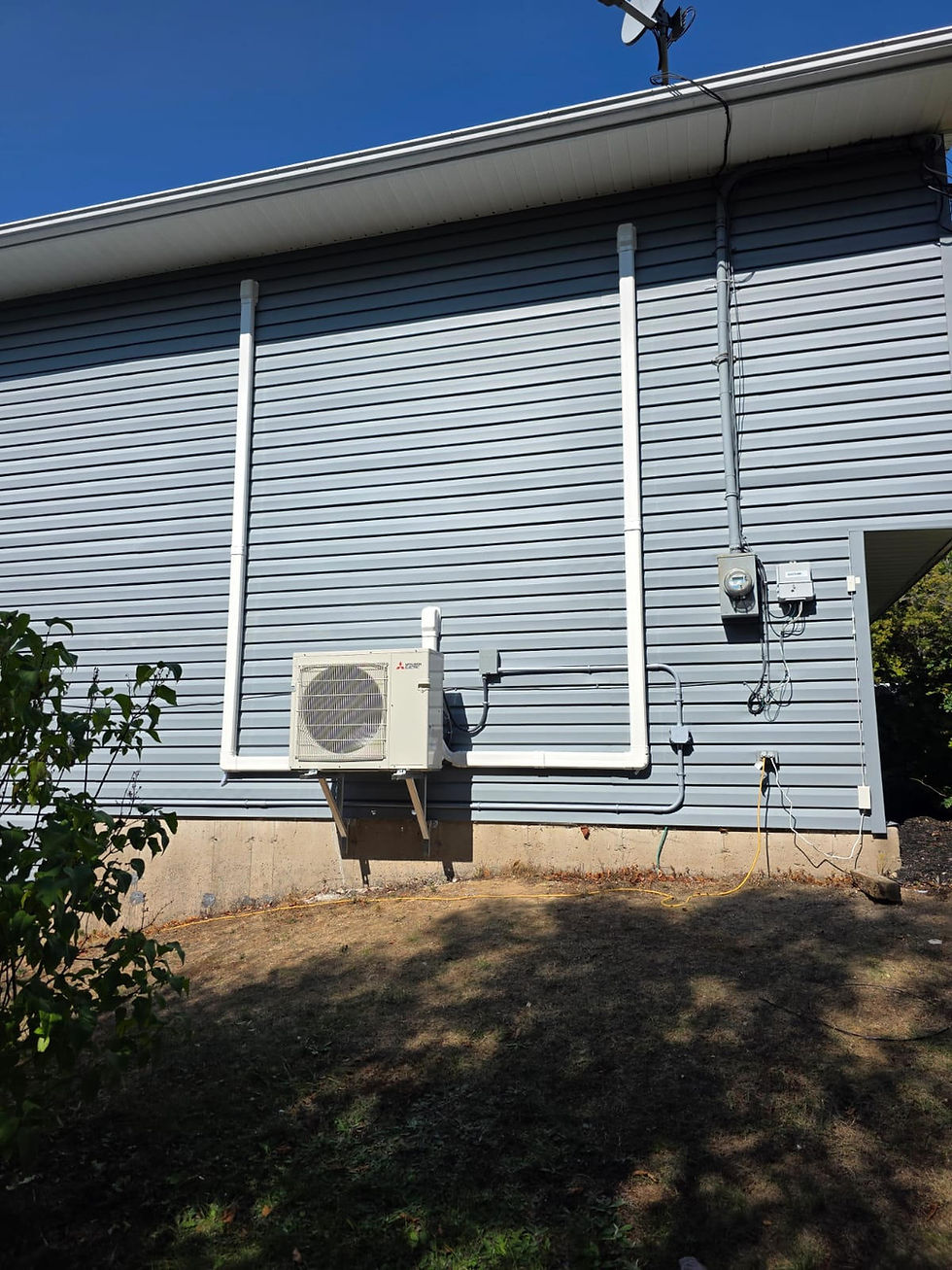
Installation starts with an on‑site assessment and heat‑load calculation to determine correct sizing and zone layout. After you choose appropriate models, installers place indoor units where they balance comfort, appearance and airflow, and set the outdoor compressor to minimise noise and shorten refrigerant runs. Technicians complete the job with precise refrigerant charging, necessary flushing, and full commissioning to verify performance and controls. Finally, we train homeowners on remotes, schedules and filter care so the system runs efficiently over time.
A quick timeline and homeowner steps:
Pre‑install assessment and load calculation to set size and zoning.
Equipment selection and scheduling that fit your site.
Professional mounting, line routing, electrical connection and commissioning.
Final testing and homeowner orientation with rebate documentation.
Colgrove Air focuses on professional checks and homeowner education at every install to protect efficiency, comfort and program compliance.
Which Trusted Brands Does Colgrove Air Recommend for Halifax Homes?
We choose brands based on cold‑climate performance, reliability, serviceability and warranty support — factors that matter more over time than looks. Manufacturers with proven cold‑weather engineering and clear performance data let us match equipment to site needs. Colgrove Air evaluates brands for durability, parts availability and documented low‑temperature capacity so you get options that suit your priorities for efficiency and reliability. Ask about model performance curves and warranty terms when comparing quotes.
When comparing brands, consider:
Published cold‑temperature performance and capacity figures.
Warranty coverage and local serviceability for parts and labour.
Features like multi‑zone options, filtration upgrades and smart controls.
Local support and proven cold‑climate performance usually matter more for long‑term satisfaction than upfront price.
Common Questions from Nova Scotia Homeowners
Homeowners often ask about system lifespan, maintenance, noise and warranties. Clear answers set realistic expectations and protect long‑term value. Below we cover lifespan and maintenance, noise, and other frequent concerns so you can decide confidently about moving off baseboards or oil.
Answering these questions early reduces surprises and supports reliable operation through the system’s life.
How Long Do Ductless Heat Pumps Last and What Maintenance Do They Need?
With proper care, ductless heat pumps typically last many years — often 15–20 years or more. Routine homeowner tasks include regular filter cleaning and keeping outdoor units clear of debris, while annual professional inspections check refrigerant levels, electrical connections and defrost cycles. Plan to check filters every 1–3 months and schedule a yearly service visit to catch issues early and protect warranties. Many installers offer maintenance plans to simplify upkeep and extend system life while keeping efficiency high.
Key maintenance actions:
Clean or replace filters regularly to maintain airflow and IAQ.
Keep outdoor units free of snow, leaves and vegetation.
Arrange an annual professional inspection to confirm system health.
Being proactive with maintenance supports efficiency and reduces unexpected repairs.
Are Ductless Heat Pumps Quiet Compared to Traditional Systems?
Indoors, ductless systems are generally quieter than older forced‑air systems because indoor units use low‑speed fans and don’t move large volumes of air through ducts. Outdoor compressors make some noise, but correct siting and mounting minimise backyard sound and vibration. Proper installation — including vibration isolators, spacing from walls and careful siting — further lowers perceived noise. If quiet operation is important, we’ll recommend models and mounting methods that prioritise acoustic performance.
Noise‑reduction tips:
Place outdoor compressors away from bedroom walls and property lines.
Use vibration isolators and soft mounts during installation.
Choose indoor units with low sound ratings and variable fan speeds.
These measures help balance performance with neighbour‑ and occupant‑friendly operation while keeping the system efficient.
For a complimentary consultation to see if a ductless heat pump suits your Nova Scotia home — and help finding rebates and financing — Colgrove Air offers local assessments and installation estimates. We serve Upper Sackville, Halifax, Dartmouth, Lower Sackville and nearby communities with professional, precise installations and fair pricing. To request a consultation or schedule a site visit, contact Colgrove Air for help with system selection, rebate navigation and a clear project plan.
Frequently Asked Questions
What are the environmental benefits of switching to a ductless heat pump?
Switching to a ductless heat pump usually lowers your home’s carbon footprint because these systems use electricity more efficiently than oil or electric baseboards. That means fewer greenhouse gas emissions for the same comfort. Newer units also use refrigerants with lower global warming potential than older systems. Choosing a ductless heat pump helps you reduce emissions while getting efficient heating and cooling.
How do ductless heat pumps compare to traditional heating systems in terms of lifespan?
Ductless heat pumps often outlast older heating options when cared for properly. With routine maintenance they commonly reach 15–20 years or more. Regular servicing — filter cleaning and annual professional checks — helps extend lifespan. Older forced‑air or oil systems may need repairs or replacement more frequently, so longevity is an important consideration when you’re comparing options.
What should homeowners consider when choosing the location for indoor units?
Pick locations that maximise comfort and airflow: frequently used rooms like living rooms and bedrooms are good candidates. Avoid direct sunlight or nearby heat sources that could affect performance, and allow for unobstructed airflow. Work with a professional installer to balance efficiency and aesthetics so units look right and perform well.
Are there any specific maintenance tasks unique to ductless heat pumps?
Yes. Homeowners should clean or replace filters every 1–3 months depending on use and indoor air quality. Keep the outdoor unit clear of debris, snow and vegetation, and schedule an annual professional service to check refrigerant levels, electrical connections and defrost cycles. These tasks help maintain efficiency and extend the system’s life.
Can ductless heat pumps be used for both heating and cooling?
Yes. Ductless heat pumps reverse the refrigeration cycle to cool in summer and extract heat from outside air to warm your home in winter. That makes them a year‑round solution for comfort, often with better efficiency than separate heating and cooling systems.
What factors influence the efficiency of a ductless heat pump?
Efficiency depends on SEER2 and HSPF2 ratings, correct sizing and professional installation. Home insulation, outdoor temperature swings and regular maintenance also affect real‑world efficiency. Make decisions based on published ratings and a site‑specific assessment to get accurate expectations.
How do homeowners know if a ductless heat pump is right for their home?
Start by reviewing your current heating and cooling needs, energy costs and the layout of your home. A professional installer can run a load calculation, estimate potential savings and check installation feasibility. Consider local climate and available rebates too. A thorough assessment ensures the system you choose meets your comfort and efficiency goals.
Conclusion
Ductless heat pumps give Nova Scotia homeowners clear energy savings, better zoned comfort and improved indoor air quality — making them a strong choice for efficient heating and cooling. Understanding how they perform, what rebates are available, and the importance of professional installation will help you make the right decision for your home. If you’re ready to explore upgrades, contact Colgrove Air to learn how a ductless heat pump can improve comfort and lower running costs in your living space.


Comments