
Why Professional Heat Pump Maintenance Pays Off for Halifax Homeowners
- Nicholas Menezes
- Dec 11, 2025
- 12 min read
Updated: Jul 31
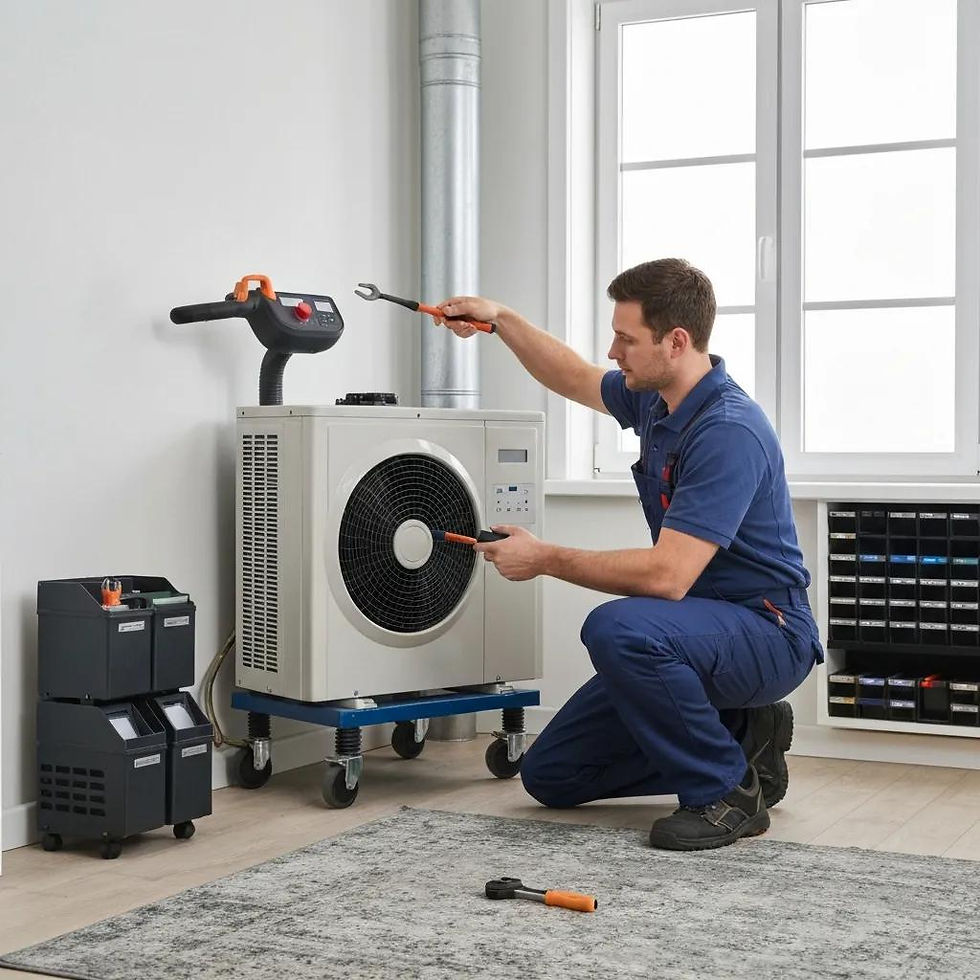
Professional heat pump maintenance is a scheduled inspection, cleaning, calibration and repair service carried out by certified technicians to keep your system running reliably, cut energy use and preserve year‑round comfort. This guide shows how targeted tasks — cleaning coils and filters, checking refrigerant charge, tuning controls and inspecting electrical parts — translate into real savings, fewer breakdowns and longer equipment life for homeowners across Halifax and Nova Scotia. With rising energy costs and unpredictable comfort, proactive maintenance turns surprise failures into planned, affordable care. You’ll learn what maintenance improves efficiency and indoor air quality, which jobs you can safely do yourself and which should be left to a technician, a seasonal service plan tailored to Nova Scotia, and a clear checklist of what a professional cleaning includes. We follow a simple chain — component (compressor, coils, filters) → action (clean, inspect, recharge) → outcome (efficiency, comfort, longevity) — so it’s easy to see what to do next.
Why is professional heat pump maintenance important for energy efficiency?
Routine professional maintenance helps heat pumps perform close to their design by keeping heat‑exchange surfaces clean, ensuring the refrigerant charge is correct and calibrating controls. Those actions cut energy waste and lower operating costs. When coils and filters are clean, airflow and heat transfer return to normal; a correct refrigerant charge lets the system change phase efficiently; and a well‑set thermostat prevents short cycling. Each step improves seasonal performance and steadier indoor temperatures. Knowing these links helps homeowners focus on the fixes that deliver the biggest efficiency improvements for the least cost. Below are the main ways professional maintenance reduces energy use and improves performance.
Clean components restore heat transfer and airflow, so the system runs less to keep you comfortable.
Calibrated controls and proper settings prevent short cycling and excessive compressor starts, cutting wear and peak power draw.
Correct refrigerant charge ensures proper thermal exchange and avoids unnecessary compressor strain.
Representative stat: industry analyses show well‑maintained heat pumps can operate about 10–15% more efficiently than neglected systems — a noticeable drop in utility costs and steadier comfort.
How does regular maintenance improve heat pump efficiency?

Regular maintenance restores the pathways and mechanical functions that let your heat pump move heat with minimal energy. Technicians remove dust and salt from evaporator and condenser coils, clean or replace filters to preserve airflow, and test fans and compressors to confirm they run within spec. They check refrigerant levels and seals — an undercharged system loses capacity and runs longer, while an overcharged system creates pressure inefficiencies and potential damage. These targeted actions — clean, correct, calibrate — shorten cycles, reduce electrical draw and even out temperatures, which lowers meter readings and eases strain on major components. That’s why surface cleaning helps but professional diagnostics are usually needed to find underlying issues.
Research shows keeping air‑handler components clean can lead to measurable energy savings and better performance.
Study: Coil Cleaning Cuts Energy Use and Boosts Heat Pump PerformanceThe study found that air‑handler components kept clean saved energy dollars and improved other performance metrics. Researchers tested changes in coil cleaning frequency and method to measure the impact.Study verifies coil cleaning saves energy, 2006
What cost savings can homeowners expect from professional maintenance?
Professional maintenance delivers both short‑ and long‑term savings through lower energy bills and fewer costly repairs. Conservative industry estimates put energy savings in the 5–15% range, depending on the unit’s starting condition, how it’s used and local electricity rates. Those savings add up over a year. Preventative care also cuts the risk of emergency compressor failures and major replacements, preserving the unit’s lifespan and avoiding high one‑time costs. For example, modest annual efficiency gains combined with avoiding a single mid‑life compressor replacement often produce a multi‑year payback that outweighs routine maintenance costs. In short, maintenance is an investment in predictable performance rather than a discretionary expense.
How does professional heat pump maintenance extend system lifespan?
Regular professional maintenance lowers wear and tear by finding and fixing the root causes of mechanical stress, which delays replacement and extends useful life. Preventive tasks — lubrication, tightening electrical connections, finding refrigerant leaks, coil cleaning — keep common failure modes such as compressor overload, motor burnout and corrosion at bay. Technicians catch small issues early (loose wires, worn parts, blocked drains) and fix them before they cascade into major failures. This preventive approach reduces emergency repairs and helps keep manufacturers’ warranties valid when they require documented maintenance.
Introductory note: The table below lists typical operational issues, the maintenance actions that address them and the expected result for reliability and lifespan.
Operational Issue | Maintenance Action | Likely Outcome |
Dirty evaporator/condenser coils | Professional coil cleaning and chemical treatment | Restored heat transfer, reduced compressor load |
Low or leaking refrigerant | Leak detection and correct refrigerant recharge | Stable capacity, reduced runtime and wear |
Clogged drain lines | Drain clearing and pan inspection | Prevents water damage and mold‑related corrosion |
Loose or worn electrical components | Tighten/replace and safety testing | Reduced risk of motor failure and electrical faults |
That mapping shows how routine maintenance targets the root causes of wear, turning reactive repairs into scheduled interventions that protect long‑term value.
What common issues does regular maintenance prevent?
Routine maintenance helps prevent the problems that lead to breakdowns and early replacement — compressor strain, frozen or dirty coils, blocked condensate drains and electrical contact failures. Coil cleaning stops icing in cold weather and restores heat transfer; filter and airflow care prevents dirt buildup that raises motor current and cuts capacity; electrical inspections find loose connections and failing capacitors that can cause sudden failures. Addressing these items during scheduled visits reduces emergency repairs and keeps your system running consistently, which lowers lifecycle cost and preserves usable years.
A heat pump’s performance and longevity depend heavily on regular, knowledgeable care.
Care and Fine‑Tuning Matter for Heat Pump LongevityA heat pump requires routine attention and occasional fine‑tuning after installation. Making proper adjustments matters, and it’s important the work is done with the right knowledge.“A heat pump needs a bit of care”: On maintainability and repairing gender–technology relations, M De Wilde, 2021
How much longer can a well‑maintained heat pump last?
Properly maintained heat pumps typically outlast neglected units because regular upkeep prevents the cumulative damage that shortens life. Industry guidance shows systems that receive routine maintenance and timely repairs can often reach or exceed expected manufacturer lifespans, gaining several extra years versus unmanaged units. Factors like installation quality, usage patterns, exposure to salt air or harsh weather, and timely repairs also affect longevity — so consistency and seasonal timing matter. With those variables in mind, homeowners can set realistic expectations and schedule the maintenance steps that maximize their unit’s productive years.
What are the key components of professional heat pump cleaning services in Nova Scotia?
Professional cleaning combines visual inspection, mechanical cleaning, component testing and safety checks to restore near‑factory performance and protect indoor air quality. In Nova Scotia’s coastal, seasonal climate, technicians pay special attention to removing salt and debris from outdoor coils, verifying refrigerant integrity, clearing condensate drains and checking control accuracy to prepare systems for both cooling and heating seasons. Below is a practical checklist of typical tasks performed during a professional cleaning visit, followed by a concise table that pairs each component with the maintenance action and the main homeowner benefit.
This checklist explains what technicians typically do during a professional cleaning so homeowners understand the scope and value of the service.
Inspect and clean outdoor condenser coils and straighten fins to remove salt, pollen and debris that reduce heat exchange.
Replace or clean indoor air filters and inspect the blower to preserve airflow and indoor air quality.
Check refrigerant pressure and seals, test for leaks and correct the charge if needed.
Clear condensate drains and pans, and inspect electrical connections and safety controls.
Summary: The combined effects of cleaning, testing and small preventive adjustments restore efficiency and comfort while protecting indoor air quality.
Introductory note: The table below lists core service components, the maintenance actions and the direct homeowner benefits in a simple EAV format.
Component | Maintenance Action | Benefit |
Filters | Clean or replace filter media | Improved airflow and fewer allergens |
Evaporator & condenser coils | Professional coil cleaning and fin straightening | Restored heat transfer, lower energy use |
Refrigerant system | Pressure check and leak testing | Proper capacity, reduced runtime |
Drain and pan | Clear blockages and sanitize pan | Prevents water damage and mold growth |
Electrical controls | Tighten connections and test safety devices | Lower failure risk and greater reliability |
This table shows how focused service items produce homeowner benefits like energy savings, cleaner indoor air and fewer repair surprises.
What does a professional heat pump cleaning include?
A professional cleaning follows a clear sequence to diagnose and restore system function safely and efficiently. Technicians start with a visual and operational inspection, isolate power for safety, clean or replace filters, remove debris from outdoor coils and vacuum or chemically clean indoor coils where appropriate. They then test refrigerant pressures, inspect wiring and contactors, measure airflow and temperature differentials, and clear condensate drains. Any issues are documented and reported with recommended corrective actions. Most systems are serviced in a single visit, with the technician recording system condition and advising on repairs. This structured approach prioritizes safety and measurable performance improvement.
Finding and fixing refrigerant leaks is essential to keep a heat pump running efficiently and avoid wasted energy.
Refrigerant Charge Fault Detection Aids Heat Pump Energy SavingsRefrigerant leakage is a common fault in heat pumps. Accurate diagnosis and correct refrigerant charge are essential for energy‑efficient operation, which is why reliable detection methods are important.Refrigerant charge fault detection method of air source heat pump system using convolutional neural network for energy saving, JW Yoo, 2019
How does cleaning improve indoor air quality and comfort?

Cleaning improves indoor air quality and comfort by cutting airborne particles, restoring proper airflow and letting the system hold set temperatures and humidity more consistently. Removing dust and biological growth from coils and filters reduces circulated allergens and irritants, which helps allergy sufferers and improves respiratory comfort. Restored airflow reduces hot and cold spots and lowers fan noise. Clearing drains and sanitizing pans prevents mold and odors that harm air quality. Those gains make professional service valuable for both health and comfort.
How often should heat pumps be serviced in Halifax for best performance?
For most Halifax homes, a biannual service — spring and fall — is the sensible standard. A spring visit gets the system ready for summer cooling (outdoor coil cleaning, refrigerant check) and a fall visit prepares heating mode and cold‑weather performance. Factors that call for more frequent service include older equipment, heavy year‑round use, coastal exposure to salt spray and prior refrigerant or electrical issues. Regular interval checks cut the chance of seasonal failures and help meet warranty requirements when maintenance records are needed.
Introductory note: Below are recommended schedules and the reasons seasonal tune‑ups work well in Nova Scotia’s climate.
Biannual standard: Spring and fall tune‑ups to prepare for peak cooling and heating seasons.
Older units: Quarterly checks for systems with known issues or heavy use.
High‑exposure locations: More frequent cleanings where salt spray or airborne debris accelerates fouling.
Summary: For most Halifax homes, a biannual cadence balances cost and protection, adjusted as needed for system age and environment.
Why is biannual maintenance recommended in Nova Scotia’s climate?
Biannual maintenance matches the changing stresses of our seasons: cooling mode needs clean outdoor coils and free airflow, while heating mode puts extra demand on defrost cycles and compressor performance. Coastal salt air speeds corrosion and fouling on outdoor units, so a pre‑summer and pre‑winter cleaning reduces those effects. Pollen and humidity also vary by season, so scheduled filter service and airflow checks are timely ways to keep indoor comfort and air quality steady. Servicing before peak use helps avoid mid‑season breakdowns.
What are the risks of skipping regular professional tune‑ups?
Skipping tune‑ups raises both short‑ and long‑term risks: higher energy consumption, patchy comfort, more noise and a greater chance of failures during peak demand. Short term, dirty or misadjusted systems lose capacity and run longer, increasing bills; long term, components wear faster, compressor failure becomes more likely and warranties can be voided without documented maintenance. Emergency repairs in peak season are more expensive and disruptive, so scheduled preventative care reduces both cost and hassle over the system’s life.
What’s the difference between DIY and professional heat pump maintenance?
DIY care covers simple, low‑risk tasks that protect basic function and air quality. Professional maintenance is required for technical, safety‑sensitive or warranty‑critical work like refrigerant handling and electrical diagnostics. Homeowners can safely change filters, clear light debris around outdoor units and check thermostat settings; these steps help airflow and basic control. Technicians bring diagnostic tools, handle refrigerants to legal and safety standards, inspect electrical systems and perform deep coil cleaning and performance testing that homeowners should not attempt. The table below clarifies which tasks are DIY‑friendly and which need a pro, plus the risks of DIY attempts.
Introductory note: The table below compares common tasks, whether homeowners can safely do them, the professional recommendation and the risks of DIY attempts.
Task | DIY Possible? | Professional Recommended | Risk if DIY |
Filter cleaning/replacement | Yes | Recommended by pros for inspection | Low risk; improper fit reduces performance |
Surface coil brushing | Sometimes (outdoor only) | Professional coil cleaning for heavy buildup | Bent fins, incomplete cleaning |
Refrigerant charge/repair | No | Technician with tools and certification | Environmental harm, system damage |
Electrical checks/repairs | No | Certified technician | Shock, fire hazard, voided warranty |
This comparison helps homeowners choose safe maintenance tasks and recognise work that needs a certified technician.
Which maintenance tasks can homeowners safely perform?
Homeowners can do jobs that need few tools and no contact with pressurised refrigerant or high‑voltage systems. Safe tasks include replacing or cleaning air filters every 1–3 months depending on use, keeping outdoor units clear of leaves and snow, checking thermostat settings and batteries, and ensuring vents and registers are unobstructed. Simple visual checks for obvious debris or standing water in drain pans are fine, and noting odd noises or reduced performance helps technicians diagnose problems faster. These steps keep the system in basic shape and can reduce the time and cost of professional visits.
Why is professional service necessary for complex heat pump care?
Professional service is needed for complex care because many diagnostic and repair tasks require specialised tools, certification and safety procedures. Handling refrigerant involves environmental rules and precise pressure/temperature diagnostics to get the charge right; electrical work requires skill to spot failing capacitors, contactors or wiring safely. Technicians use calibrated instruments to measure airflow, superheat/subcooling and electrical loads — data that guide correct repairs and preserve warranty coverage. Professional diagnostics save time chasing symptoms and reduce the chance of repeat failures after improper repairs.
Why choose Colgrove Air for professional heat pump maintenance in Halifax?
Colgrove Air helps Halifax and Nova Scotia homeowners with focused heat pump cleaning and maintenance designed to improve efficiency, extend equipment life and keep indoor air healthy. We keep pricing affordable by running lean operations and hiring trained technicians who follow proven maintenance steps. Our service menu — from cleaning to repair and installation — is built around clear outcomes: lower bills, fewer repairs and reliable comfort. If you’re curious how a professional cleaning turns into real savings, Colgrove Air accepts consultation requests and bookings for heat pump cleaning services, with example pricing around 150 Canadian dollars for transparency.
How does Colgrove Air keep heat pump services affordable and expert?
Our affordability comes from focusing on what matters and keeping overhead low. Colgrove Air employs trained technicians who follow proven protocols — coil cleaning, filter service, refrigerant checks and electrical inspections — to restore performance without unnecessary upsells. Serving Halifax and the wider Nova Scotia area, we position heat pump cleaning as a targeted service to extend life and cut operating costs. That practical approach helps homeowners manage upkeep costs while reaping the long‑term savings of fewer failures and better energy use.
What do Halifax homeowners say about Colgrove Air’s heat pump maintenance?
Rather than publish fabricated testimonials, we encourage homeowners to request references or read public reviews on review sites and our information pages. Local homeowners often look for clear service descriptions, transparent pricing and measurable results — exactly what we highlight in our service materials. When you book, ask for service records, maintenance checklists and examples of past work so you can confirm the scope and outcomes. Requesting references or a documented service summary during booking gives direct assurance about workmanship and results.
Frequently Asked Questions
What are the signs that my heat pump needs maintenance?
Watch for unusual noises, weak airflow, uneven temperatures and rising energy bills. Frequent on/off cycling, visible leaks or poor heating/cooling are also red flags. Catching these signs early helps avoid bigger problems later.
Can I perform maintenance on my heat pump myself?
You can do basic tasks safely — changing filters, keeping the outdoor unit clear and checking thermostat settings — but leave refrigerant work, electrical checks and deep coil cleaning to certified technicians. Attempting complex tasks without training can damage the system or create safety hazards.
How can I find a reliable heat pump maintenance provider in Halifax?
Ask neighbours or friends for recommendations, read online reviews and check that a company is licensed and insured. Look for clear service descriptions and transparent pricing. If possible, request references or a sample service checklist before booking.
What should I expect during a professional heat pump maintenance visit?
A technician will inspect the system, clean or replace filters, clear debris from outdoor coils, test refrigerant and electrical components, measure airflow and document any issues. You should receive a brief report and recommended next steps if repairs are needed.
How does regular maintenance affect indoor air quality?
Regular maintenance keeps filters and coils clean so fewer particles circulate, helps control humidity and prevents mold growth in drain pans — all of which improve indoor air quality and make the home more comfortable and healthier.
What are the potential consequences of neglecting heat pump maintenance?
Neglect can mean lower efficiency, higher bills, more breakdowns and a shorter system life. Dirt and wear force the system to work harder, which can lead to costly repairs or premature replacement. Lack of documented maintenance can also affect warranty coverage.
Conclusion
Professional heat pump maintenance gives Halifax homeowners clear benefits: better energy efficiency, longer system life and improved indoor air quality. Regular, timely service helps prevent costly repairs and keeps your home comfortable all year. If you’d like dependable performance and fewer surprises, schedule a professional heat pump cleaning with Colgrove Air — we’ll help you get the most from your system while keeping costs sensible.


Comments