
Top Signs Your Heat Pump Needs Cleaning: Essential Heat Pump Maintenance Indicators for Upper Sackville Homeowners
Updated: Jul 31
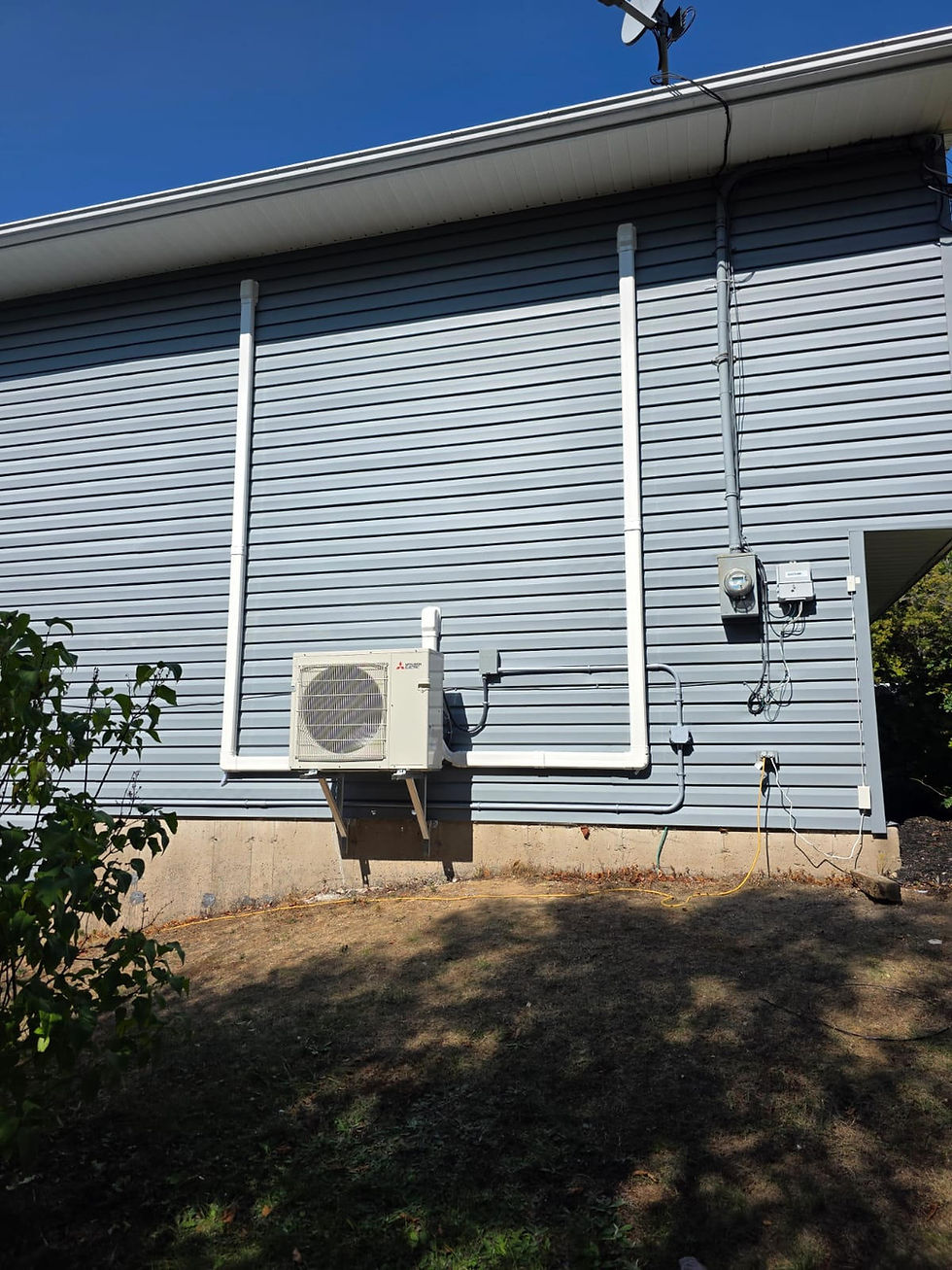
Routine maintenance preserves heat pump performance and energy efficiency. Many Upper Sackville homeowners miss early indicators that their system needs cleaning. This article highlights the main signs, explains the benefits of cleaning, and offers practical, actionable steps. Topics include common contamination symptoms, the value of scheduled service, when to hire a technician, and "practical tips for homeowners".
What Are the Most Common Signs Indicating Your Heat Pump Requires Cleaning?
Spot these signs early to protect efficiency and extend equipment life. Watch for dirt and debris buildup; common indicators include:
Higher Energy Bills: A sudden rise in costs can mean the system is working harder because filters or coils are dirty.
Weak Airflow: Clogged filters or obstructed coils reduce circulation.
Unusual Noises: Grinding or rattling often points to mechanical stress or debris interference.
Musty Odors: Mold or mildew inside the unit can affect indoor air quality.
Visible Ice Buildup: Frost on the unit frequently indicates restricted heat exchange from dirty coils.
Colgrove Air, a Nova Scotia heating and cooling provider, offers maintenance and can assist Upper Sackville homeowners with cleaning services.
How Does Reduced Airflow Signal a Dirty Heat Pump Filter or Coils?

Reduced airflow usually means filters or coils are blocked by dust. That restriction forces components to run longer, raising energy use and reducing comfort. Regular filter checks and cleaning restore designed airflow and efficiency.
Why Is Unusual Noise a Key Indicator of Heat Pump Performance Issues?
Unusual noises can indicate worn bearings, debris caught in moving parts, or stressed components. Addressing noisy symptoms early prevents larger failures and higher repair costs.
How Does Regular Heat Pump Cleaning Improve Efficiency and Performance?

Routine cleaning preserves heat transfer and component reliability so the system runs closer to its design. That yields tangible benefits for homeowners.
Improved Energy Efficiency: A clean system uses less power and can lower bills.
Reduced Breakdowns: Maintenance catches issues early and lowers the chance of unexpected failures.
Enhanced Indoor Air Quality: Cleaning removes dust and allergens that circulate through the house.
What Energy Savings Can Upper Sackville Homeowners Expect After Cleaning?
Cleaning and servicing restore system performance and typically reduce electrical demand, which can lower utility bills. For more details on installations and local options, see ducted heat pump installations.
How Does Cleaning Prevent Frost Buildup and System Strain?
Dirt on coils reduces heat exchange, which can lead to coil freezing. When coils freeze the unit works harder, accelerating wear. Regular cleaning preserves heat exchange capacity and reduces strain.
When Should You Schedule Professional Heat Pump Cleaning Services in Upper Sackville?
Professional cleaning keeps systems reliable. Consider these factors when choosing a service interval:
Frequency of Use: Heavily used systems need more frequent attention.
Signs of Poor Performance: Any of the signs above justify a professional inspection.
Local Climate: Dusty or humid local conditions increase contamination and may require more frequent maintenance.
What Are the Benefits of Expert Inspection and Maintenance?
Technicians use training and diagnostic tools to find issues that are not obvious. They verify component operation, perform proper cleaning, and recommend repairs or follow-up actions.
How Does Local Climate Affect Cleaning Frequency and Service Needs?
Humidity and airborne particulates in Upper Sackville can speed coil contamination and encourage microbial growth. In such conditions, plan for more frequent cleaning to protect air quality and performance.
What Are Practical DIY Tips for Identifying and Addressing Heat Pump Cleaning Needs?
Simple homeowner checks catch early problems and support efficiency.
Check Filters Regularly: Inspect and replace filters every 1–3 months.
Inspect Coils: Look for visible dirt and clean coils as needed.
Monitor Performance: Watch for noise, odors, and airflow changes.
How Can Homeowners Safely Inspect Filters and Coils?
Basic safety steps:
Turn off the heat pump before inspecting.
Remove the access panel to view filters and coils.
Clean or replace filters and gently wipe coils; avoid damaging fins.
When Is It Advisable to Avoid DIY and Call Professionals?
Call a technician for persistent unusual noises, significant ice buildup, electrical faults, or when the problem persists after basic checks. Professionals have the tools to diagnose and repair safely.
Frequently Asked Questions
What are the long-term benefits of regular heat pump maintenance?
Regular maintenance improves energy efficiency, extends equipment life, and enhances indoor air quality. Keeping components clean reduces faults and the need for premature replacement, lowering operating costs over time.
How can I tell if my heat pump needs professional cleaning?
Rising energy bills, weak airflow, unusual noises, or musty smells indicate a professional inspection is warranted. Heavy system use or a dusty environment also merits more frequent professional service.
What should I expect during a professional heat pump cleaning service?
Technicians inspect filters, coils, and components, clean or replace filters, remove coil buildup, and check key systems (electrical connections and refrigerant where applicable). You should receive a condition report and any recommended follow-up.
Are there any risks associated with neglecting heat pump maintenance?
Neglect increases operating costs, reduces performance, and raises the risk of failure. A dirty system may not meet heating or cooling needs and can require costly repairs or replacement if not maintained.
How often should I change my heat pump filters?
Replace filters every 1 to 3 months depending on usage and conditions. Homes with pets, allergies, or high dust levels often require more frequent changes to maintain airflow and indoor air quality.
Can I perform maintenance on my heat pump myself?
Homeowners can handle basic tasks like inspecting and replacing filters, removing debris from the outdoor unit, and performing visual checks. For complex cleaning, refrigerant issues, or electrical work, hire a qualified technician.
Conclusion
Regular cleaning keeps heat pumps efficient, reduces energy costs, and improves indoor air quality. Recognizing early warning signs and arranging timely professional cleaning prevents costly repairs and maintains comfort. Review available maintenance options to keep your heat pump operating reliably.


Comments