
7 Heat Pump Issues and How to Prevent Them


When your heat pump stops working, what you do next matters. Nova Scotia winters are no joke; temperatures regularly drop below -10°C, and a heating failure can go from inconvenient to genuinely problematic fast. The good news? Most of the situations on this list are preventable with regular maintenance. The better news? When something does go wrong, having a trusted local technician in your corner makes all the difference between a stressful night and a straightforward fix.
In this guide, we cover the seven heat pump problems that need prompt attention, what to do when they happen, and how regular maintenance goes a long way toward preventing them in the first place.
7 Heat Pump Issues That Need Immediate Attention

Any situation involving a safety risk, active damage, or kids and elderly family members in the home cannot wait until morning. Here are the seven situations you should call about immediately.
1. No Heat During a Nova Scotia Winter
This one is at the top of the list for a reason. If your heat pump stops delivering heat when it's -15°C outside, you're looking at a situation that can quickly affect your pipes, vulnerable household members, and your comfort. If the system shuts down completely, turn it off at the thermostat to avoid further strain on the components, use space heaters to keep essential rooms livable, and call for service. Don't keep resetting the unit hoping it comes back; if something is wrong, letting it run can make the repair more expensive.
2. The System Is Running But Not Heating (Or Cooling)
This is a common one and catches people off guard; the unit is on, you can hear it running, but the air coming out isn't doing anything. This often points to a refrigerant issue, a problem with the reversing valve, or a struggling compressor. It's not a "leave it and see" situation. Running a heat pump in this state for extended periods can push it toward a full compressor failure, which is a significantly bigger repair. Shut it down and get it looked at.
3. Ice Buildup That Isn't Clearing
A light frost on the outdoor unit in winter is completely normal; modern heat pumps have a defrost cycle that handles it automatically. What's not normal is thick ice accumulation that isn't clearing, ice forming on refrigerant lines, or ice on the indoor air handler. These point to underlying faults: low refrigerant, airflow restrictions, or a defrost control issue. A coil locked in ice will eventually destroy the compressor if the system keeps running. Turn it off and call.
4. Electrical Issues: Burning Smells, Tripped Breakers, or Sparking
Any electrical fault should be treated seriously. A burning smell coming from the unit, a breaker that trips repeatedly, or any visible sparking near the equipment are signals to shut the system off and stop resetting the breaker. A breaker tripping is the electrical panel doing its job. If you reset it and it trips again, that's the system telling you something is wrong. A failing capacitor, a wiring fault, or a compressor under stress all present this way. Leave it for a licensed technician.
5. Water Leaking From the Indoor Unit
A slow drip from the indoor unit is often a blocked condensate drain, annoying, but not an emergency on its own. What's different is active pooling, water running toward electrical components, or water finding its way into flooring, walls, or ceilings. Moisture and heat pump equipment are not a good combination, and water intrusion can quickly cause mold and structural damage. If you're seeing more than a drip, shut the system off and get it assessed.
6. Unusual Noises: Grinding, Banging, or Squealing
Heat pumps are generally quiet. A low hum during operation is normal; grinding, banging, or a high-pitched squeal is not. These sounds often indicate a mechanical issue, like a fan blade catching on something, a worn bearing, or a refrigerant flow problem. Ignoring these tends to lead to more expensive failures down the road. If your unit starts making a new noise that wasn't there before, it's worth a call.
7. The System Short-Cycling (Turning On and Off Constantly)
Short-cycling, where the heat pump kicks on, runs for a minute or two, shuts off, and repeats, is hard on the equipment and a sign that something isn't right. It can point to a refrigerant issue, an oversized system, a dirty filter strangling airflow, or a control board problem. Beyond the wear it causes, short-cycling means your home isn't actually reaching the set temperature efficiently. If you notice the system cycling more than usual, it's worth having it looked at before it escalates.
How to Prevent Future Heat Pump Problems
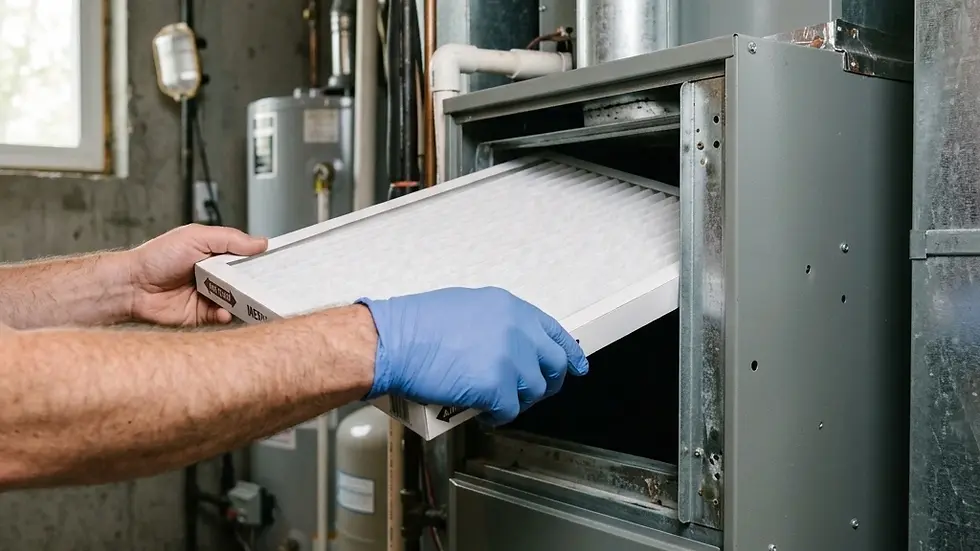
Most calls we receive share a common thread: a system that had not been serviced in years. According to Natural Resources Canada, about two-thirds of the energy used in the average Canadian home goes to space heating and cooling, making your heat pump one of the hardest-working pieces of equipment in the house. Heat pumps are workhorses; they run year-round in Nova Scotia, handling both heating and cooling, and they need regular attention to stay reliable. Skip the maintenance, and that workload catches up with you fast.
A few habits that make a real difference:
Schedule a professional cleaning and tune-up annually: We inspect refrigerant levels, electrical components, and worn parts before they become failures.
Change or clean your filter every one to three months: A clogged filter is one of the most common causes of system stress, and it's also the easiest to prevent.
Keep the outdoor unit clear after storms: Snow and debris that block airflow can cause problems.
Pay attention to how your system sounds and performs between visits: Catching a change early is almost always cheaper than dealing with it after a failure.
Our preventative maintenance checklist covers everything you need to keep your system running reliably through every Nova Scotia season.
Here Is What Makes Colgrove Air Different
One of the most common frustrations we hear from new customers is that they couldn't find anyone willing to service their existing unit because another company installed it. We don't operate that way. At Colgrove Air, we service all heat pump brands, not just the systems we installed. If your heat pump needs attention, we'll take care of it. Here's what that looks like in practice:
Heat Pump Cleaning: Regular cleaning keeps your system running efficiently, extends its lifespan, and prevents buildup that can quietly become a bigger problem. We recommend it annually; more often if the system runs hard.
Heat Pump Repair: Whether it's a refrigerant issue, an electrical fault, unusual noises, or a system that just isn't performing the way it should, we diagnose and repair all makes and models. No "we only service what we install" runaround.
We're also owner-operated, which means when you call, you're talking to a technician, not a dispatcher. That helps make the whole process a lot more straightforward.
Ready to book a service visit or just have a question about your system? Contact us or call us at (902) 830-1676; and yes, we actually answer.
Final Words on Common Heat Pump Problems
Heat pumps are built to last, but only if you pay attention to the warning signs and keep up with regular maintenance. Whether it's ice that won't clear, a system short-cycling, or a noise that wasn't there last week, catching problems early is almost always cheaper than waiting for a full breakdown.
When something does go wrong, don't hesitate. Call our trusted HVAC contractor in Upper Sackville at (902) 830-1676 and talk to someone who actually knows heat pumps and can tell you on the spot whether it's a quick fix or something that needs hands-on attention.


Comments