
Essential Heat Pump Maintenance Tips for Homeowners: Comprehensive Checklist and Troubleshooting Guide
Updated: Jul 31

Proper maintenance preserves heat pump efficiency and extends service life. Regular service prolongs components, improves operational performance, and reduces energy costs while maintaining occupant comfort. This guide provides a practical checklist and troubleshooting steps for homeowners. Many owners are uncertain when or how to perform routine tasks, which can lead to avoidable repairs. Follow the recommendations below to keep your system reliable and efficient. Topics include maintenance frequency, a step-by-step checklist, common troubleshooting actions, and the role of professional maintenance.
Research supports the use of structured maintenance strategies to extend equipment life and optimize system performance.
Essential Maintenance Strategies for System Longevity & EfficiencyThe chapter "Maintenance Strategies and Optimization Techniques" outlines core methodologies to maintain asset performance and extend service life. It summarises principal maintenance approaches—preventive, predictive, reactive, and proactive—while detailing each approach's benefits and limitations. The chapter also describes optimization techniques such as condition-based monitoring, reliability-centred maintenance, and the application of artificial intelligence for predictive analysis. Integrating these strategies with contemporary optimisation tools reduces downtime, lowers operating costs, and improves overall productivity and longevity of systems.Maintenance strategies and optimization techniques, M Yazdi, 2024
How Often Should You Perform Heat Pump Maintenance?
Perform maintenance at least twice a year, preferably in spring and fall. Seasonal checks prepare the system for changing loads and allow early detection of developing faults. Timely service reduces the risk of costly failures and helps control operating costs.
What Is the Recommended Frequency for Heat Pump Filter Replacement?
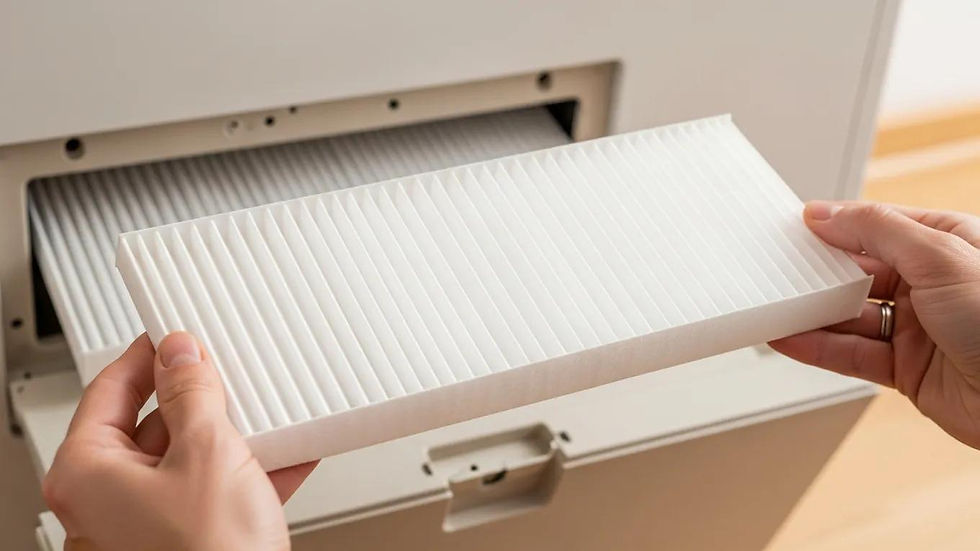
Replace disposable or high-efficiency filters every 1–3 months, depending on household activity and filter type. Inspect filters monthly and replace as needed, especially during peak heating or cooling seasons. Clogged filters restrict airflow, increase energy use, and add strain to system components.
When Is Seasonal Heat Pump Care Necessary?
Do seasonal service before heating and cooling periods begin. In spring, clean the outdoor unit, verify refrigerant charge, and confirm thermostat calibration for cooling. In fall, repeat these checks to prepare for heating. Proactive seasonal care helps maintain rated efficiency and extends component life.
What Are the Key Steps in a Heat Pump Maintenance Checklist?
A standard checklist helps ensure essential tasks are completed consistently. Include the following key steps:
Inspect and Clean Filters: Regularly check and replace filters to maintain proper airflow.
Clean Coils: Dust and debris on coils reduce efficiency. Clean them at least once a year.
Check Refrigerant Levels: Confirm refrigerant is at the correct level for optimal performance.
Inspect Ductwork: Look for leaks or blockages that could impair airflow.
Test Thermostat: Verify the thermostat functions correctly and reflects the desired temperature.
How to Clean and Inspect Heat Pump Filters and Coils
Remove reusable filters and rinse with water; let them dry completely before reinstalling. Use a soft brush or a lint-free cloth to remove dust from coils. Always disconnect power to the unit before cleaning to ensure safety.
Which Components Require Regular Inspection and Replacement?
Inspect the compressor, fan assembly, and electrical connections at each service interval. Watch for wear signs such as unusual vibrations, atypical noises, or falling performance. Replace damaged or worn components promptly to avoid secondary failures.
How Can You Troubleshoot Common Heat Pump Issues?

Start troubleshooting by identifying operational symptoms. Early recognition of indicators reduces diagnostic time and repair costs.
What Are the Signs Your Heat Pump Needs Professional Servicing?
Seek professional service if you notice inconsistent heating or cooling, unfamiliar noises, or a clear rise in energy bills. A qualified technician can perform diagnostic testing and corrective maintenance.
Can Homeowners Perform Basic Heat Pump Troubleshooting?
Homeowners can check thermostat settings, ensure filters are clean, and clear debris from the outdoor unit. If these actions don’t restore normal operation, call a professional technician for further diagnosis.
Why Is Professional Heat Pump Maintenance Important for Efficiency and Longevity?
Professional maintenance provides systematic inspection and calibrated adjustments by trained technicians. Scheduled service finds developing faults before they escalate, lowering long-term repair costs and preserving system reliability.
How Does Regular Maintenance Improve Heat Pump Energy Efficiency?
Routine maintenance keeps components within design tolerances. A well-maintained heat pump uses less energy and results in lower utility costs. Industry reports indicate regular service can improve system efficiency by up to 20%.
What Are the Advantages of Hiring Local HVAC Experts in Nova Scotia?
Local HVAC providers, such as Colgrove Air, understand regional climate patterns and common system stressors. They offer tailored maintenance plans and typically provide prompt, community-based service with established customer relationships.
Maintenance Task | Frequency | Importance |
Filter Replacement | Every 1-3 months | Ensures proper airflow and efficiency |
Coil Cleaning | Annually | Maintains system efficiency |
Refrigerant Check | Annually | Prevents performance issues |
This table summarizes recommended maintenance tasks and suggested frequencies to support optimal heat pump performance.
For homeowners evaluating upgrades or new systems, ducted heat pump installations offer an efficient option designed to meet household comfort needs.
Frequently Asked Questions
What are the benefits of regular heat pump maintenance?
Regular maintenance improves energy efficiency, extends equipment life, and increases system reliability. Routine inspections and servicing prevent minor faults from becoming costly repairs and help maintain consistent indoor comfort while reducing operating expenses.
How can I tell if my heat pump is working efficiently?
Monitor temperature consistency, listen for unusual noises, and check energy bills for unexplained increases. Assess airflow at vents; weak or inconsistent flow can indicate an issue. Keep filters changed and coils clean; consult a professional for a full inspection if concerns persist.
What should I do if my heat pump is not heating or cooling properly?
Start with basic checks: verify thermostat settings, replace dirty filters, and clear debris from the outdoor unit. If these steps don’t restore normal operation, schedule a professional diagnostic to identify and fix the underlying fault.
Are there any DIY maintenance tasks I can perform on my heat pump?
Homeowners can replace filters, clear debris from the outdoor unit, and verify thermostat operation. Visually inspect ductwork for obvious leaks or obstructions. For refrigerant checks or electrical work, hire a qualified technician to ensure safety and code compliance.
How can I improve the lifespan of my heat pump?
Keep a consistent service schedule with seasonal inspections and cleaning. Replace filters every 1–3 months and clean coils annually. Keep the outdoor unit clear of debris and allow adequate airflow. Arrange professional maintenance at least twice per year and consider a programmable thermostat to optimize operation and reduce wear.
What are the common misconceptions about heat pump maintenance?
Misconceptions include thinking maintenance is unnecessary if the system appears to work, or that annual service alone is enough. Some owners assume every task is DIY. In reality, refrigerant and electrical checks require professional expertise for safety and regulatory compliance.
Conclusion
Consistent heat pump maintenance maximizes efficiency, extends system life, and supports a comfortable home. Following the recommended checklist and using professional services when needed reduces repair risk and operating costs. Schedule regular service to maintain performance, and consider expert maintenance plans for reliable operation.


Comments