
Essential Heat Pump Maintenance Tips for Homeowners — Keep Your System Efficient and Lasting Longer
- Nicholas Menezes
- Dec 1, 2025
- 11 min read
Updated: Jul 31

Regular heat pump maintenance is the small, scheduled work that keeps your heating and cooling running safely, efficiently and reliably. In Halifax and nearby communities, seasonal swings and coastal air can put extra strain on heat pump parts — so timely upkeep saves energy, prevents breakdowns and avoids surprise repair bills. This guide shows what homeowners can do safely, when to call a technician, and how routine care preserves indoor air quality and stretches equipment life. You’ll find clear DIY steps for filters and outdoor-unit care, a troubleshooting checklist for common faults, recommended timing and cost guidance for professional service, plus practical efficiency tips you can act on immediately. The advice reflects local Nova Scotia conditions and points to when a local specialist can help with deeper maintenance — all in straightforward, actionable steps so small issues don’t become big repairs.
Why regular heat pump maintenance matters for homeowners
Keeping a heat pump maintained means inspecting, cleaning and tuning parts so the system moves heat with less energy and less wear. Good upkeep reduces compressor strain, improves airflow with clean filters and coils, and preserves refrigerant performance — together these cut utility bills and extend equipment life. Homeowners who stay on top of maintenance also breathe cleaner air because filters and coils trap dust and allergens before they circulate. The sections that follow break down the specific benefits and show how maintenance produces measurable results that matter to your comfort and budget.
What are the key benefits of routine heat pump maintenance?
Routine maintenance delivers four clear homeowner benefits. First, energy savings: clean coils and unobstructed airflow cut compressor run time and lower bills. Second, fewer surprise repairs: preventive checks catch worn parts early. Third, better indoor air: cleaned filters and coils reduce dust and allergens. Fourth, longer equipment life and preserved warranty coverage — giving you more value from your investment over time.
How does maintenance improve heat pump efficiency and indoor air quality?
Maintenance restores effective heat transfer on coils, ensures correct refrigerant charge, and keeps airflow steady through filters and fans. Clean evaporator and condenser coils exchange heat more efficiently, cutting run time and energy use. Fixing refrigerant leaks and electrical faults prevents compressor strain and failures. And steady airflow plus well-maintained filters reduces particle circulation, which helps allergy sufferers and keeps home temperatures more consistent.
What DIY heat pump maintenance can homeowners safely do?
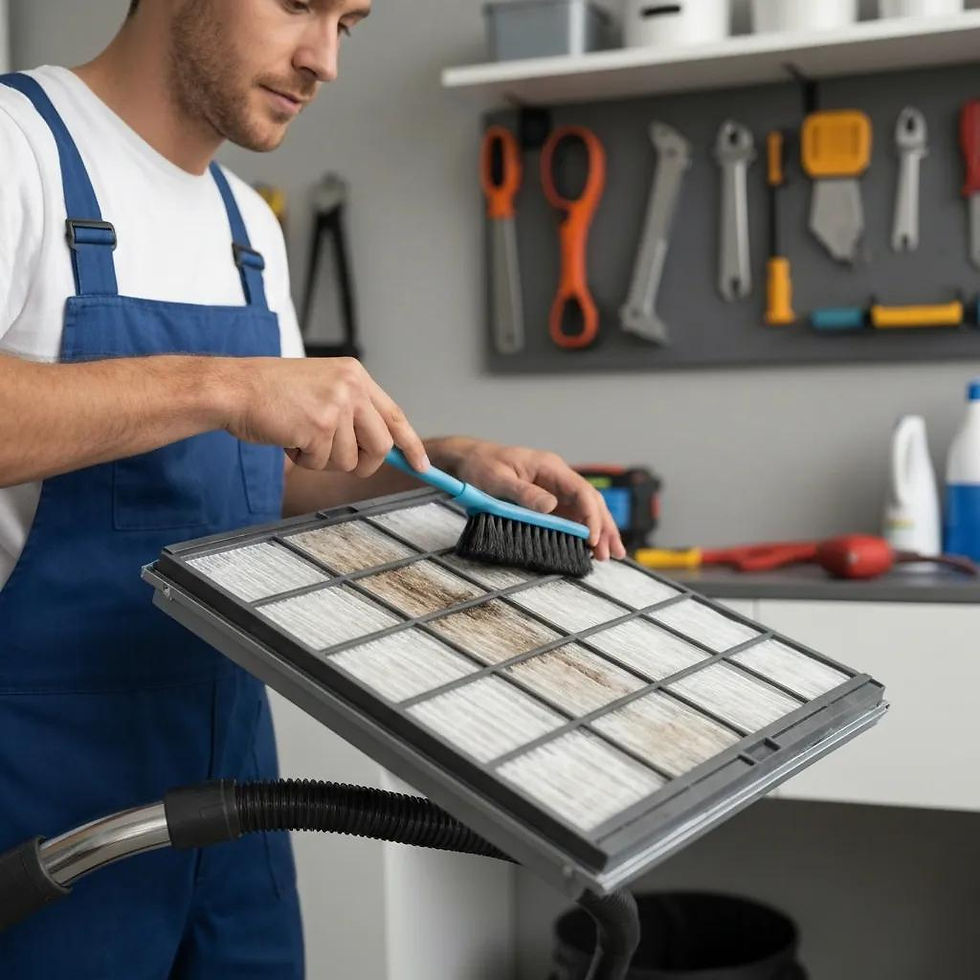
There are useful, low-risk maintenance tasks you can handle between professional visits. Focus on filter checks and changes, clearing debris around the outdoor unit, quick thermostat checks and making sure vents are unobstructed. These actions prevent immediate efficiency losses and give early warning of bigger problems. Below are step-by-step instructions for filters and outdoor-unit care, plus a short checklist so you can perform these tasks safely and correctly.
How do you clean heat pump filters for best performance?
Cleaning or replacing filters is a high-impact, low-risk task that usually takes 10–30 minutes and immediately improves airflow and air quality. Turn the system off, remove the filter panel and look for dust, pet hair or heavy buildup. Clean reusable filters with a soft brush and a vacuum, or rinse them with lukewarm water and let them dry completely before reinstalling. Replace disposable filters according to the manufacturer’s schedule. Check filters monthly during heavy use and clean or replace every 1–3 months depending on household conditions and filter type. Call a technician if you find oil, soot or persistent odors.
Quick checklist before cleaning filters:
Turn off power at the thermostat and breaker.
Remove the filter and check for damage or heavy buildup.
Vacuum or rinse reusable filters; replace disposable filters as needed.
Allow filters to dry fully, reinstall, then restart the system and confirm airflow.
In short: regular filter care restores airflow, lightens compressor load and helps maintain good indoor air between professional tune-ups.
Best practices for cleaning the outdoor heat pump unit
Outdoor-unit care is about safely clearing vegetation, gently rinsing the coils and protecting the unit from physical damage — steps that reduce corrosion and airflow restriction. Always switch off power before working near the unit. Remove leaves and brush by hand with gloves, and never use a pressure washer (it can damage fins and coils). Use a soft brush to straighten bent fins and a garden hose on a gentle spray to remove surface dirt. Keep at least 2–3 feet of clearance around the unit for proper airflow. If you live near the coast or in heavy-soil conditions, inspect more often and ask a professional about protective coatings or deeper coil cleaning.
When to stop and call a pro: if you find exposed refrigerant lines, oil stains, heavy corrosion or need to access electrical components, stop DIY work and arrange a professional inspection to avoid injury or voiding warranties.
Bottom line: regular outdoor care preserves airflow and reduces corrosion risk, but internal coil work or refrigerant repairs should be left to qualified technicians.
Task | Tools Needed | Frequency / Notes |
Filter inspection & cleaning | Gloves, vacuum, replacement filters | Check monthly; clean/replace every 1–3 months |
Clear vegetation & surface debris | Gloves, pruning shears, soft brush | Inspect monthly in growing season; keep 2–3 ft clearance |
Outdoor coil rinsing (light) | Garden hose, soft brush | Rinse seasonally; avoid pressure washers; pro cleaning annually if coastal |
This table summarizes simple DIY tasks that help preserve airflow and efficiency; anything beyond these low-risk actions should be handled by a qualified technician.
When should homeowners schedule professional heat pump service in Halifax?

Schedule professional service at least once a year — ideally before the heavy heating or cooling season — and sooner if local conditions like salt air or frequent use increase wear. Annual tune-ups catch refrigerant leaks, electrical faults and coil contamination that DIY steps miss, restoring peak performance before demand spikes. Book extra service if you hear unusual noises, notice reduced temperature delivery, see persistent icing that won’t clear, or spot sudden energy bill increases. Halifax’s coastal humidity and salt exposure make timely professional inspections especially important to prevent corrosion-related failures.
What does a professional heat pump tune-up include?
A professional tune-up generally covers coil and filter inspection and cleaning, refrigerant level checks, defrost-cycle testing, electrical inspections, lubrication of moving parts and an operational performance check. Technicians will also assess airflow, thermostat calibration and safety controls to ensure stable, efficient operation. Each item fixes a common failure point: clean coils restore heat exchange, correct refrigerant levels protect the compressor, and electrical checks reduce fire risk and intermittent faults. A reputable service should give you a clear checklist of performed tasks and recommendations for repairs or next steps.
Service Type | What's Included | Recommended Frequency / Indicative Cost |
Annual Tune-up | Coil & filter inspection, refrigerant check, electrical test, defrost test | Annually; varies by unit complexity |
Deep Cleaning | Thorough coil cleaning, fin repair, condenser service | Every 1–2 years or as needed; coastal homes more frequently |
Repair Visit | Diagnostics, parts replacement, refrigerant repair | As-needed; cost depends on issue severity; example cleaning listed at 150 CAD |
The table compares common service types, what to expect and frequency guidance. The 150 CAD example reflects a local cleaning price and gives a realistic starting point for budgeting.
How much does annual heat pump service cost in Halifax?
Costs depend on system type, access, and whether parts or refrigerant work is needed. Routine tune-ups typically reflect labour, diagnostics and basic cleaning. Prices rise for multi-unit systems, difficult access, older equipment needing parts, or coastal corrosion treatment. As a budgeting reference, local reports list heat pump cleaning at about 150 CAD for a basic service; fuller tune-ups or repairs will be higher depending on scope. Always ask for an itemized quote so you can compare what’s included and avoid surprise fees.
How can homeowners maximize heat pump efficiency and lifespan?
Extending efficiency and lifespan combines routine care, smart controls and protection from environmental damage. Key steps: keep to a regular service schedule, use high-quality filters, shield outdoor units from salt and debris, and add a smart thermostat for smarter setpoints and zoning. Proper installation and good insulation matter too — correctly sized systems and well-sealed ducts prevent short-cycling and uneven heating that speed wear. The table below compares common efficiency actions by energy impact, recommended frequency and whether you can DIY or should hire a pro.
Action | Energy Impact | Frequency / DIY vs Professional |
Regular filter cleaning | Medium-High | Monthly checks; DIY |
Annual professional tune-up | High | Annually; Professional |
Smart thermostat integration | Medium | Install once; DIY familiarization or pro setup |
Outdoor unit protection & coatings | Medium | Inspect seasonally; pro for corrosion treatment |
Use this quick prioritization to combine DIY upkeep with scheduled professional care — that approach gives the best long-term savings and system resilience.
Effective ways to extend your heat pump’s lifespan
Focus on reducing mechanical stress and limiting environmental damage. Regular professional tune-ups and prompt repairs stop small faults from turning into major failures; routine filter care keeps airflow steady and reduces compressor cycling. Protect the outdoor unit from standing water, heavy snow and salt spray to cut corrosion. Use a smart thermostat and moderate setpoints to avoid excessive cycling. Watch energy use and new noises — early signs let you act before a small issue becomes a replacement-level problem.
How understanding defrost cycles helps efficiency
A heat pump defrosts the outdoor coil to remove frost so heat exchange can continue. A normal defrost is short and periodic, after which the unit returns to normal. Problems show as very frequent or long defrosts, suggesting airflow issues, sensor faults or refrigerant problems that raise run time and energy use. Watch defrost frequency and whether coils stay iced after a cycle — persistent symptoms should lead to professional diagnostics. Fixing defrost faults restores steady heat transfer and reduces energy waste in cold, damp conditions.
Common heat pump problems and how homeowners can troubleshoot them
Frequent homeowner issues include strange noises, weak heating or cooling, and outdoor-unit icing. Many problems can be diagnosed with a few systematic checks before calling a technician. Start with thermostat settings, power supply and filter condition, then inspect the outdoor unit for debris, ice and fan operation. If these basic checks don’t fix the issue, problems like refrigerant leaks or compressor faults will need professional tools and experience. The sections below give specific diagnostics and safe steps you can take to identify issues and know when to escalate.
Why is my heat pump making strange noises?
Odd noises often mean loose panels, fan blade contact or motor bearings beginning to wear. Intermittent clicking can be a relay or electrical issue, while grinding or screeching is more urgent. Turn the system off and visually check for loose panels, foreign objects or bent fan blades you can safely remove or secure. If noise continues after clearing obvious problems, note the sound and when it happens (start-up, steady run or defrost) and book a professional inspection — compressor or motor failures need specialist repair. Addressing new noises early prevents costly replacements.
What should I do if my heat pump isn’t heating or cooling properly?
If performance is weak, follow this step-by-step check: confirm thermostat mode and setpoint, make sure breakers and power are on, inspect and clean filters, and ensure outdoor unit airflow is clear. Listen for odd compressor cycling and look for icing on the outdoor coil; persistent icing, fast on/off cycles, or only lukewarm air point to refrigerant or compressor issues that need a technician. Keep a simple log of symptoms, temperatures and recent changes to speed up diagnostics, and avoid running the system if you smell burning or it’s overheating.
Check thermostat and power: Verify correct mode and that breakers are on.
Inspect filters and vents: Clean or replace filters and ensure vents are open.
Examine outdoor unit: Clear debris and confirm fan operation.
Document symptoms: Note noises, cycle behaviour, and visible ice for the technician.
Bottom line: a systematic homeowner check often resolves common issues or gives the technician clear clues to diagnose deeper problems fast.
Where can Halifax homeowners find trusted heat pump maintenance services?
When choosing a pro, look for local experience, transparent pricing, clear service inclusions, and knowledge of Halifax-area challenges like coastal corrosion and seasonal demand. Pick a provider who explains what a tune-up covers, gives honest estimates and understands building and climate factors that affect performance. Local specialists can also recommend efficiency upgrades and help prioritise repairs that give the best comfort and return on investment. Below is a short profile of a local option that matches these priorities and explains what to expect when booking.
How Colgrove Air handles heat pump cleaning and repair
Colgrove Air offers heating and cooling services tailored to Halifax and surrounding areas, including heat pump cleaning, installation and repair. The company focuses on fair pricing, experienced technicians and comprehensive service that covers routine maintenance and one-off repairs. For jobs beyond DIY, Colgrove Air provides options designed for local conditions and aims to restore efficiency while preventing repeat problems through thorough inspections and targeted fixes.
How to book heat pump maintenance with Colgrove Air
Book online through Colgrove Air or call the local office for scheduling and a detailed quote. Before you book, have your heat pump make and model, recent symptom notes and any warranty details handy — that helps the technician arrive prepared. After booking, expect confirmation and a technician visit that includes a site assessment, a clear explanation of recommended work and an itemized estimate for repairs. Choosing a local provider means maintenance is tuned to Halifax-area climate challenges and helps keep your system efficient longer.
What to look for when choosing a provider: Local experience with coastal climate and Halifax homes.Clear service lists and transparent pricing examples.Professional inspection reports and plain-language recommendations.Advice on simple DIY routines and when to call a professional.
In short: pick a local, transparent provider with clear tune-up procedures to protect your investment, limit climate-related wear and keep your heating and cooling reliable through scheduled maintenance.
Frequently Asked Questions
1. How often should I perform DIY maintenance on my heat pump?
Do basic DIY tasks like checking and cleaning filters at least once a month, especially during peak use. Clear debris from the outdoor unit monthly to maintain airflow. These regular inspections catch small problems early. For more complex tasks — coil cleaning, refrigerant checks or electrical work — schedule professional service annually or as needed based on your system and local conditions.
2. What signs indicate that my heat pump needs professional service?
Look for unusual noises, noticeably reduced heating or cooling, visible ice on the outdoor unit, sudden spikes in energy bills or frequent on/off cycling. Any of these signs warrants a professional inspection to prevent further damage and restore efficient operation.
3. Can I use any type of filter for my heat pump?
Use filters that meet the manufacturer’s specifications. High-efficiency filters (including some HEPA-style options) can improve air quality, but they must fit and be compatible with your system — otherwise they can restrict airflow. Check and replace filters per the manufacturer’s guidance to keep efficiency and lifespan on track.
4. How can I protect my outdoor heat pump unit from harsh weather?
Consider a well-ventilated cover during the off-season and keep snow, ice and debris cleared around the unit to maintain airflow. Coastal homes may need protective coatings to limit salt corrosion; discuss options with a pro. Regular inspections catch weather-related damage early so it can be addressed before it worsens.
5. What should I do if my heat pump is icing up?
First check filters and outdoor airflow — restricted airflow often causes ice buildup. Verify thermostat settings and that the unit isn’t stuck in an extended defrost. If ice keeps forming, it could be a refrigerant leak or malfunctioning component, which needs a technician. Avoid running the system heavily while it’s iced up to prevent further damage.
6. Are there energy-efficient upgrades I can make to my heat pump system?
Yes. A smart thermostat improves scheduling and reduces wasted runtime. Higher-quality filters and well-sealed ducts cut losses. Regular professional maintenance can identify other upgrades — sealing leaks, replacing worn parts or updating controls — that lower bills and boost comfort.
7. How can I tell if my heat pump is still under warranty?
Check the paperwork that came with the unit for warranty details and duration — many warranties run 5–10 years depending on model and components. If you can’t find the documents, contact the manufacturer or the retailer with your model and serial number. Keep maintenance records; they help preserve warranty coverage.
Conclusion
Regular heat pump maintenance pays off: better efficiency, longer equipment life and a healthier home. Combine simple monthly DIY checks with annual professional tune-ups to lower energy bills and avoid costly breakdowns. Prioritise maintenance, and you’ll enjoy a more comfortable, reliable home year‑round. To learn more about our services or to book a visit, get in touch — we’ll help keep your system running at its best.


Comments