
DIY Heat Pump Cleaning: What You Can Do — and When to Call a Pro in Halifax
- Nicholas Menezes
- Dec 8, 2025
- 14 min read
Updated: Jul 31
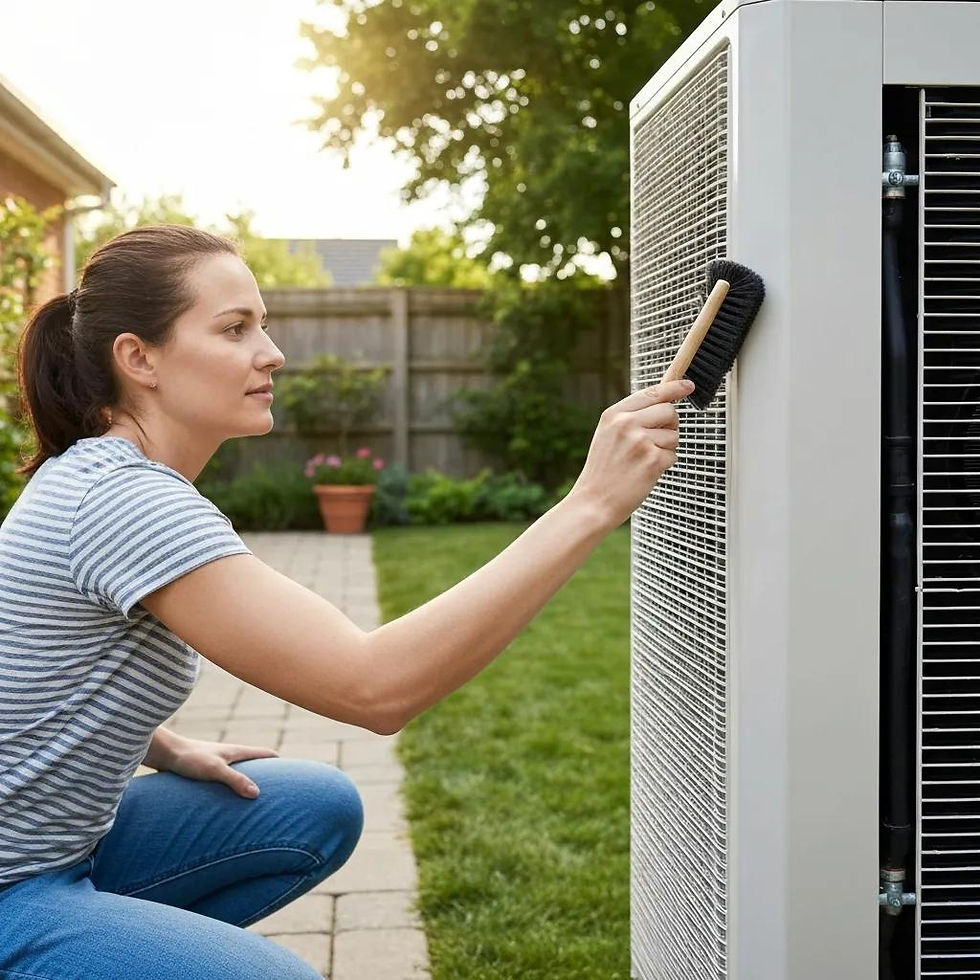
Keeping a heat pump clean includes straightforward jobs homeowners can handle—like cleaning or replacing air filters, wiping the outdoor coils, and clearing condensate drains—alongside deeper work that needs professional tools, diagnostics, or warranty-safe procedures. Regular basic upkeep helps your system run more efficiently, keeps indoor air healthier, and extends equipment life. This guide walks Halifax and Nova Scotia homeowners through sensible DIY steps, step-by-step how-tos for common tasks, clear signals that mean it’s time to call a technician, and a simple cost/value comparison. You’ll also find checklists and a local maintenance schedule to help you decide when to tackle things yourself and when to bring in a local pro for deeper coil cleaning or diagnostic work.
Which Basic Heat Pump Cleaning Tasks Can Homeowners Do?
Low-risk DIY heat pump tasks restore airflow and performance by removing surface dirt and obvious blockages using easy tools and safe methods. These homeowner-level jobs—filter care, gentle exterior coil cleaning, and condensate drain clearing—focus on common parts like filters, outdoor coils and fins, and drain lines. Doing them regularly improves efficiency and indoor air quality while easing wear on fans and other components. Below are prioritized steps with recommended frequencies tailored for Halifax homeowners. Using basic tools and PPE lowers the chance of accidental damage, and knowing when to stop and call a pro protects warranties and the system’s health.
Everyday homeowner tasks that keep your heat pump running well:
Air filter cleaning or replacement: check monthly during heavy use; clean or replace as needed.
Wiping exterior coils and straightening minor fin bends: do this seasonally with soft brushes and mild detergent.
Clearing condensate drains: flush the line quarterly and check for mold or persistent blockages.
These routine checks reduce stress on the compressor and lengthen the time between professional visits. The sections below explain how to do each task safely and effectively.
How to Clean Heat Pump Air Filters Safely and Effectively
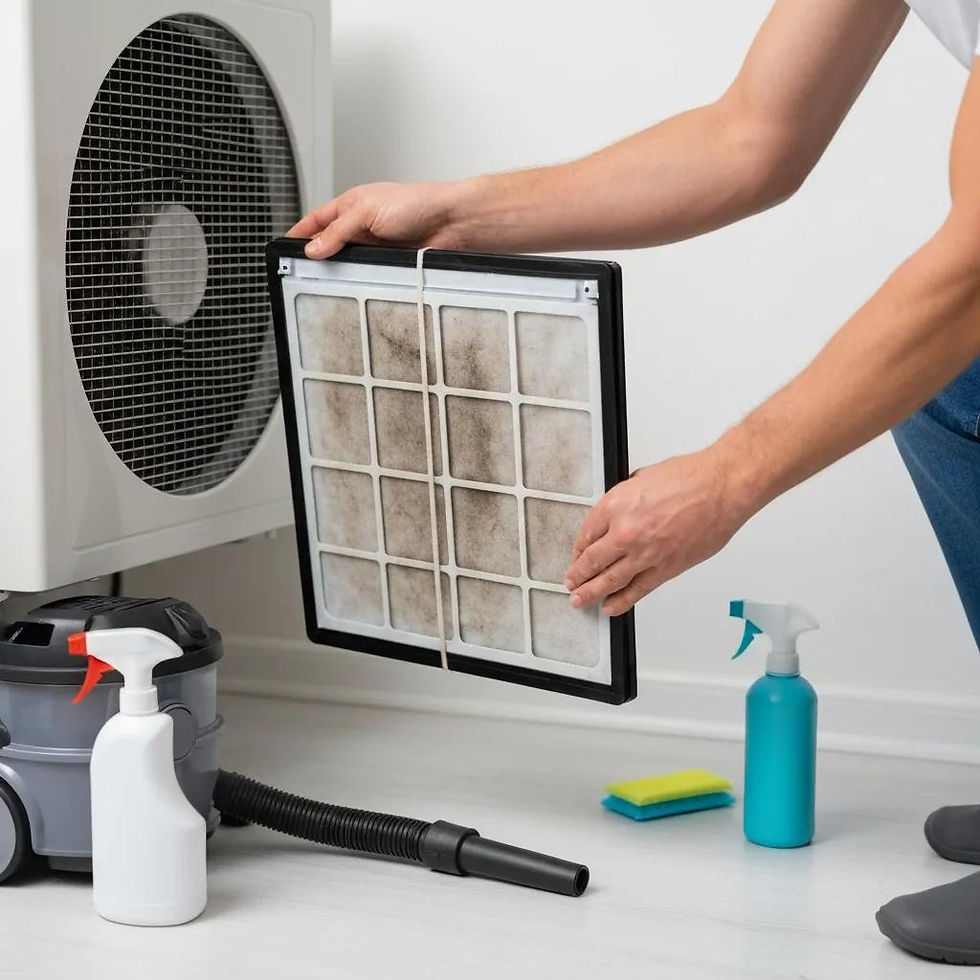
Filter care is the easiest and most impactful DIY job for keeping a heat pump efficient and the air clean. Always turn the unit off before you start. Open the return grille or the indoor unit panel and remove the filter carefully to avoid scattering dust. For reusable filters: vacuum both sides with a brush attachment, then wash with warm water and a mild detergent and let the filter dry completely before putting it back. Disposable filters should be replaced per the manufacturer—usually every 1–3 months depending on use and household conditions. Regular filter maintenance improves airflow, reduces strain on the fan motor, and is a quick diagnostic step when performance drops. If a filter is torn or still heavily soiled after cleaning, replace it and see whether performance improves before attempting more involved cleaning.
Best Practices for Wiping Down Exterior Coils and Straightening Fins
Clean outdoor coils gently to avoid bending fragile fins while restoring heat transfer. Start by switching power to the outdoor unit at the breaker for safety. Remove loose debris with a soft brush and keep plants trimmed at least 30 cm away to maintain airflow. Use a garden hose on a low-pressure spray to rinse coils from the outside in; use a mild detergent only for greasy or oily buildup. Avoid pressure washers—they can bend fins or force water into electrical parts. If fins are slightly bent, a fin comb can carefully realign them; if you find deep corrosion, heavily clogged internal passages, or extensive fin damage, stop and call a professional. Clean exterior coils reduce compressor workload and help the system cope with Halifax’s changing seasons.
How to Clear and Maintain the Heat Pump Condensate Drain
The condensate drain removes moisture and can clog with biofilm or debris, which risks overflow and mold. Inspect the condensate pan and any visible drain lines—if you find standing water, clear the line with a wet-dry vacuum at the outdoor termination or gently siphon the line to dislodge a clog. Flushing the line quarterly with a 50/50 water-and-vinegar mix helps control algae and mold without harsh chemicals. Wear gloves and eye protection when you access drain pans. If you encounter persistent clogs, strong odors, or visible mold in the pan, call a professional for cleaning and disinfecting to protect indoor air quality and avoid system downtime. Regular condensate care keeps the system dry and prevents small problems from becoming big ones.
When Should You Call a Professional for Heat Pump Cleaning in Halifax?
Call a pro when cleaning goes beyond surface tasks, when electrical or refrigerant systems are involved, or when you need documented work for warranty purposes. Technicians use equipment and methods—like coil jet washing and approved chemical cleaners—that restore deep heat exchanger performance. Professional service is essential for deep coil cleaning, electrical diagnostics, refrigerant leaks, or when access and contamination make DIY work unsafe. A certified technician protects warranties, provides diagnostic reports, and can spot underlying issues—such as motor wear or corrosion—that simple homeowner cleaning won’t fix. The table below helps you quickly see which jobs are DIY and which should be left to professionals.
The table compares common tasks, the tools needed, and whether they’re DIY-friendly or professional-only:
Component or Task | Tool / Requirement | Recommended Performer |
Air filter cleaning | Vacuum, mild soap, replacement filters | Homeowner (DIY) |
Exterior coil surface rinse | Soft brush, low-pressure hose | Homeowner (DIY) |
Minor fin straightening | Fin comb, steady hands | Homeowner (DIY) with caution |
Deep coil cleaning (inside coil) | High-pressure coil washer, chemical cleaners | Professional-only |
Electrical diagnostics | Multimeter, trained electrician/technician | Professional-only |
Refrigerant leak detection/repair | EPA-certified refrigerant handling tools | Professional-only |
While many visible maintenance jobs are safe for homeowners, anything that touches refrigerant, internal coil assemblies, or electrical systems should be handled by licensed technicians. Knowing these limits reduces risk and keeps your system performing well.
When deep coil cleaning, diagnostic testing, or warranty-safe service is needed, Colgrove Air’s professional cleaning is a recommended local option; their example professional cleaning package is a focused two-hour deep clean and inspection, priced locally at about 150 CAD. Hiring a technician means industry-grade equipment, written service records for warranty protection, and the ability to find issues a quick DIY check might miss. If you spot any of the warning signs in the next section, booking a professional assessment will give you a clear plan to restore performance and efficiency.
The Benefits of Professional Deep Coil Cleaning
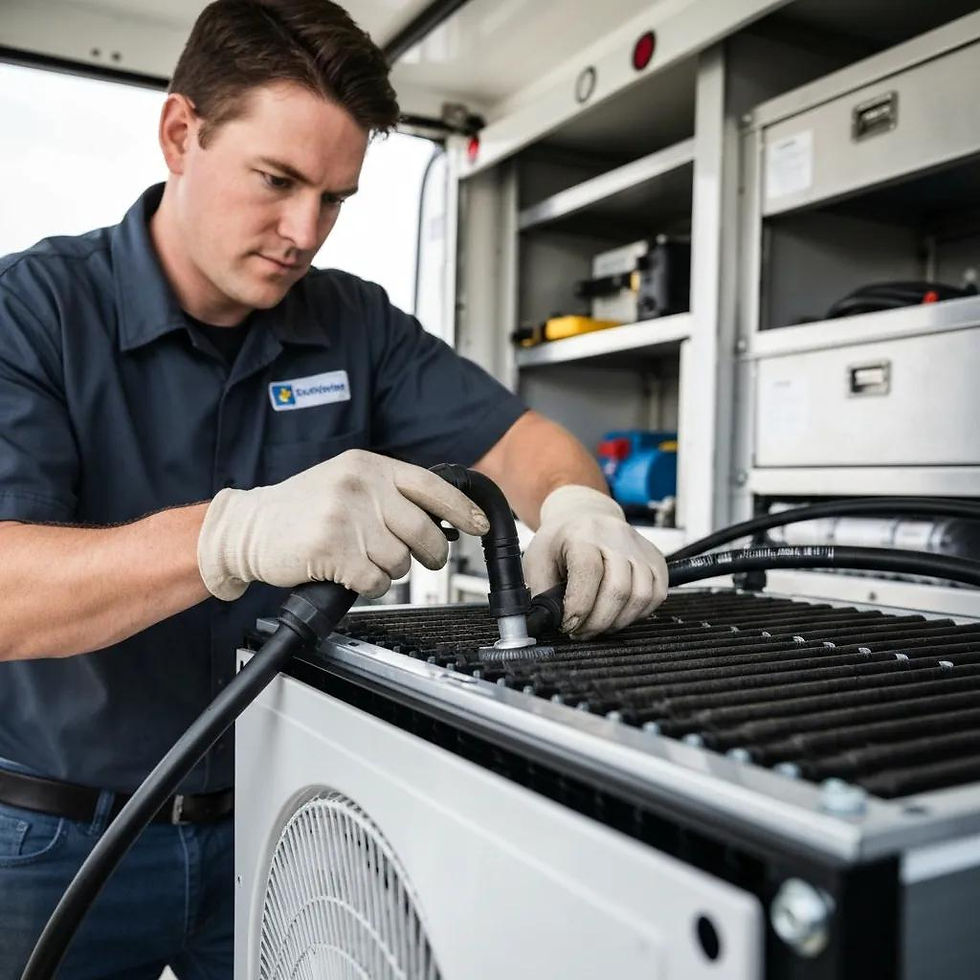
Deep coil cleaning removes embedded dirt, biological growth, and oily residues that surface rinses can’t reach. Technicians use targeted chemical cleaners and pressurized coil washing to bring heat transfer back toward original performance. That reduces compressor workload, improves airflow, and often restores more consistent room temperatures and lower energy use. Professionals also inspect related parts—fan motors, drains, and electrical connections—so cleaning is paired with preventive diagnostics. Deep cleaning is especially useful for older units, systems showing decline despite filter care, or units exposed to heavy pollen, salt air, or construction dust; in those situations professional methods deliver results DIY can’t match.
How Professional Service Protects Warranty and Performance
Many heat pump warranties require documented professional maintenance to keep coverage on certain components. A professional visit provides written reports and receipts that show compliance. Certified technicians follow manufacturer-recommended practices—avoiding harsh solvents, improper pressure washing, or unsafe refrigerant handling that could void warranties—and they can fix small issues before they become expensive repairs. A documented service history also helps with future warranty claims and resale value. For homeowners, annual professional inspections and cleanings are a practical investment to protect long-term performance and warranty coverage that DIY work alone might jeopardize.
Safety Risks of DIY Cleaning That Pros Avoid
DIY cleaning can expose you to electrical shock, refrigerant hazards, and the risk of damaging delicate fins or coils if incorrect tools or pressures are used. Electrical hazards include accidentally leaving the unit powered while you work; refrigerant hazards include exposure or illegal handling if there’s a leak—both require trained technicians with proper PPE and certification. Pulling apart internal coil assemblies or using aggressive chemicals can cause corrosion, moisture in control systems, or bent fins. Professionals avoid these pitfalls with lockout/tagout procedures, certified refrigerant tools, and trained chemical application. Recognizing when a task crosses into these risk areas is the best reason to call a pro.
Common Signs That Your Heat Pump Needs Professional Cleaning
Certain symptoms usually mean basic cleaning isn’t enough: reduced airflow, inconsistent heating or cooling, strange noises, musty odors, visible mold, and rising energy bills all point to problems beyond routine maintenance. These symptoms often come from dirty coils, clogged internal passages, or mechanical issues that need inspection and specialized cleaning or repair. Run quick checks—filter condition, visible coil cleanliness, drain line status—and if problems persist after DIY actions, professional diagnostics will find the root cause and recommend the right fix. Below are clear signs to help you decide when to call a technician.
Warning signs that suggest professional service is needed:
Noticeable drop in airflow or uneven temperatures between rooms.
New or worsening banging, grinding, or high-pitched noises while the unit runs.
Persistent musty or moldy smells coming from the indoor unit.
Unexplained increases in energy bills after normal seasonal use.
Spotting these early helps you prioritize a professional inspection instead of repeating DIY attempts that might miss or worsen the issue.
How Reduced Airflow or Uneven Heating/Cooling Points to Cleaning Needs
Reduced airflow or inconsistent temperatures usually means airflow restriction—often from clogged filters, blocked outdoor airflow, or dirty coils that reduce heat transfer. Simple checks include comparing vent airflow to what you remember and inspecting the outdoor unit for debris or obstruction. If filters and visible obstructions are clear but airflow is still poor, internal coil blockage or fan motor problems are likely and need professional inspection and possibly deep coil cleaning or motor work. Fixing reduced airflow promptly prevents overloaded compressors and higher energy use, so call a pro when basic fixes don’t restore normal airflow.
What Unusual Noises, Odors, or Visible Mold Mean for Your System
Mechanical noises—grinding, rattling, or high-frequency whines—often indicate component wear, loose mounts, or motor problems that cleaning won’t fix; those need a technician’s diagnostic tools. Musty or moldy smells from the indoor unit usually point to microbial growth in the condensate pan or ductwork and may require professional cleaning, disinfection, and humidity control to fully resolve. Visible mold on coils or in the drain pan is a health concern and a sign that deeper cleaning and inspection are needed to stop recurrence. When odors or noises come with performance loss, arrange a professional inspection to address both contamination and its cause.
How Higher Energy Bills Can Reveal a Dirty or Failing Heat Pump
A dirty heat pump loses heat exchange efficiency, so the compressor and fan run longer and use more energy—this shows up as higher monthly bills even when thermostat settings haven’t changed. To check, compare similar months year-over-year, inspect filter condition, and note runtime for a typical heating or cooling cycle. If filters and exterior coil cleaning don’t restore normal runtimes, internal coil fouling, refrigerant problems, or failing parts may be to blame—cases where professional diagnostics can measure efficiency loss and recommend the most cost-effective cleaning or repair. Early professional intervention often pays back faster in energy savings than repeated DIY attempts.
How Much Does Professional Heat Pump Cleaning Cost in Halifax and Nova Scotia?
Professional cleaning costs depend on unit type, how easy it is to access, how dirty the unit is, and whether diagnostics or repairs are needed. Knowing what a pro includes helps you compare value, not just price. Typical packages combine deep coil cleaning, condensate drain care, and a basic inspection; costs rise with multiple units, difficult access, or evidence of refrigerant leaks or electrical faults. The table below compares DIY outlay, typical professional pricing, and long-term value to help Halifax homeowners weigh options.
This table compares upfront DIY costs, typical professional pricing, and expected long-term value.
Approach | Typical Upfront Cost | Typical Inclusions | Long-Term Value |
DIY basic cleaning | $0–$50 (cleaning supplies, replacement filters) | Filter cleaning, surface coil rinse | Low-to-moderate; risk of missed issues |
Professional cleaning example | Approximately 150 CAD for a 2-hour service | Deep coil clean, condensate flush, inspection | High; preserves efficiency and warranty |
Major repair/neglect cost | $200–$1,000+ depending on issue | Repairs, parts, possible refrigerant work | Variable; higher than preventive service |
Typical Price Range for Professional Heat Pump Cleaning Services
Local prices in Nova Scotia vary with unit complexity and access, but a straightforward two-hour deep clean and inspection commonly sits in a modest local range; as an example, a focused two-hour professional cleaning is priced at about 150 CAD. Higher costs apply when multiple units, significant coil corrosion, or required repairs add labor and parts. When you compare quotes, ask whether the price includes coil-safe chemical cleaning, condensate drain treatment, motor/fan inspection, and a written report—those inclusions raise the immediate cost but often save money by preventing future failures. Comparing what’s included shows real value beyond the headline number.
DIY vs Professional Cleaning — Cost and Value
DIY cleaning saves money up front—supplies, a basic fin comb, and replacement filters will usually total under $100—but it often won’t find or fix internal coil fouling, refrigerant issues, or electrical faults that reduce efficiency over time. Professional service adds inspection and diagnostic value that can prevent costly repairs and preserve warranty coverage; the written documentation and calibrated cleaning methods professionals use also protect long-term performance. Use the comparison below to weigh immediate savings against possible long-term costs.
Option | Upfront Cost | Tools / Expertise | Typical Long-Term Outcome |
DIY | Low ($0–$100) | Household tools, basic supplies | Short-term improvement; risk of missed degradation |
Professional | Moderate (example approximately 150 CAD) | Specialized equipment, inspection & documentation | Sustained efficiency, warranty alignment, fewer repairs |
Neglect | Minimal immediate cost | None | Higher repair/replacement costs and energy bills |
This comparison shows that professional cleaning can be a cost-effective preventive choice for homeowners who want steady efficiency and lower long-term maintenance costs.
Essential Heat Pump Maintenance Tips for Halifax Homeowners
For Halifax conditions, combine monthly DIY checks with seasonal outdoor care and an annual professional inspection to manage humidity and salt-air exposure. Regular actions—filter checks, clearing the outdoor area, and flushing condensate lines—prevent common problems, while an annual pro visit ensures deep coil cleaning and diagnostics at the right time. Below is a practical schedule and a list of tools you should keep on hand.
A simple local maintenance schedule to balance DIY work with professional visits.
Task | Frequency | DIY or Professional |
Air filter inspection | Monthly | DIY |
Exterior coil surface cleaning | Quarterly / seasonal | DIY (surface only) |
Condensate drain flush | Quarterly | DIY; escalate if persistent clog |
Full system inspection & deep coil clean | Annually | Professional |
Refrigerant pressure check / electrical diagnostics | As needed / annually | Professional |
Keeping to this schedule reduces emergency repairs and helps your heat pump perform well through humid summers and cold months.
Keep a compact toolkit and supplies handy:
Soft brush, vacuum with brush attachment, and mild detergent for surface cleaning.
Replacement filters sized to your unit and a fin comb for small fin straightening.
Wet-dry vacuum or siphon setup for condensate clearing, plus gloves and safety glasses.
Small notebook to record maintenance dates and any symptoms to share with a technician.
Using these tools regularly lets you handle core maintenance while recognizing tasks that require a professional—helping you avoid accidental damage and preserve warranty coverage. If you prefer scheduled upkeep, Colgrove Air offers annual inspection and cleaning plans for Halifax and nearby communities; their professional visits include documentation that helps protect warranties and track system health.
How Often Should You Do DIY Cleaning and Book Professional Maintenance?
A practical routine is monthly filter checks, seasonal exterior coil surface cleaning, quarterly condensate flushing, and an annual professional inspection with a deep clean. Monthly checks catch early filter clogging that cuts airflow, while seasonal exterior checks before heavy-use periods (summer cooling and winter heating) keep coils and fans clear. Quarterly condensate care prevents mold and backups. Annual professional maintenance aligns with warranty guidance and lifecycle best practices, delivering deep coil cleaning and diagnostics that DIY methods can’t reproduce; booking inspections before peak seasons helps avoid unexpected failures.
Tools and Supplies Needed for Safe DIY Heat Pump Maintenance
Assemble a basic homeowner toolkit to do safe, effective routine maintenance without risky tools or specialized equipment. Must-haves include a soft-bristled brush and vacuum with a brush attachment, mild detergent in a spray bottle, a fin comb for minor fin repairs, correctly sized replacement filters, a wet-dry vacuum for drain clearing, and PPE like gloves and safety glasses. Avoid high-pressure washers, refrigerant-handling tools, and harsh solvents—those are for professionals only and can cause damage or legal issues if misused. Having the right, safe tools makes DIY maintenance straightforward and helps you escalate responsibly when professional care is needed.
Why Choose Colgrove Air for Professional Heat Pump Cleaning in Halifax, Nova Scotia?
Colgrove Air is a local HVAC provider serving Halifax and nearby Nova Scotia communities with practical, customer-focused heat pump services. We keep pricing competitive while investing in trained technicians and coil-safe equipment. Our example two-hour professional cleaning is cited locally at about 150 CAD as a transparent reference for homeowners comparing DIY and professional options. That blend of fair pricing and documented inspections helps protect warranties and extend system life.
How Colgrove Air delivers affordable, expert heat pump cleaning:
Local knowledge of heat pump cleaning, installations, and repairs across Halifax and nearby communities.
Transparent pricing, illustrated by a focused two-hour cleaning and inspection priced at about 150 CAD.
Experienced technicians who restore efficiency, reduce energy use, and provide written records for warranty purposes.
Based in Upper Sackville, NS, Colgrove Air focuses on homeowner comfort and practical service plans. To book a service or learn about maintenance plans, Halifax homeowners can contact Colgrove Air by phone for booking and questions.
How Colgrove Air Keeps Heat Pump Cleaning Affordable and Effective
We balance affordability and expertise by streamlining operations and investing in technician training and coil-safe equipment that delivers measurable performance gains. Typical professional visits include a deep coil clean, condensate system flush, and a basic inspection to find wear or leaks that could reduce efficiency. The example two-hour cleaning at about 150 CAD helps homeowners compare immediate cost against potential future repairs. We document our work and give clear recommendations to help protect warranty considerations and support long-term system health.
What Halifax Homeowners Say About Colgrove Air’s Heat Pump Services
Homeowners consistently report practical benefits after professional cleanings and inspections: better airflow, quieter operation from fans and compressors, fewer temperature swings between rooms, and condensate drains that no longer produce musty odors. While individual testimonials aren’t reproduced here, these are the common outcomes clients see after a professional visit. If you’d like references or case studies, Colgrove Air can provide service histories and outcomes on request for homeowners considering annual maintenance or a one-off deep clean to address the warning signs outlined in this guide.
This article lays out safe DIY tasks, clear signs for professional escalation, and straightforward cost comparisons so Halifax homeowners can protect efficiency and indoor air quality. When deep coil cleaning, electrical diagnostics, or warranty-sensitive work is required, a local professional option gives a documented, cost-effective path to restore system performance.
Frequently Asked Questions
What tools do I need for DIY heat pump maintenance?
For basic DIY heat pump maintenance, have a soft-bristled brush, a vacuum with a brush attachment, mild detergent, a fin comb for small fin repairs, and replacement filters that fit your unit. A wet-dry vacuum is useful for clearing condensate lines, and PPE like gloves and safety glasses is important for safety. Avoid high-pressure washers and refrigerant-handling tools—those require professional training and can cause damage if misused.
How can I tell if my heat pump needs professional cleaning?
Look for reduced airflow, uneven heating or cooling, unusual noises, persistent musty odors, or rising energy bills. If these symptoms continue after basic DIY maintenance, schedule a professional inspection. These signs often point to dirty coils, internal clogs, or mechanical problems that need specialized tools and training to fix.
What is the typical duration of a professional heat pump cleaning service?
A standard professional heat pump cleaning typically takes about two hours. During that time, technicians perform deep coil cleaning, inspect the system, and may flush the condensate system. Time can vary depending on the unit’s condition, accessibility, and whether repairs or further diagnostics are needed.
Are there any specific maintenance tips for heat pumps in humid climates?
In humid climates, regular maintenance helps prevent mold and mildew. Increase condensate drain flushing to quarterly and keep outdoor coils clear of debris. Check air filters monthly since humidity can cause faster clogging. An annual professional inspection is also recommended to address moisture-related issues and keep performance reliable through the humid season.
What should I do if I notice mold around my heat pump?
If you find mold around your heat pump, act quickly to protect indoor air quality. Turn off the unit and inspect the condensate pan and drain lines for standing water or visible mold. Minor mold can sometimes be cleaned with a water-and-vinegar mix, but persistent or extensive mold usually needs professional cleaning and disinfection. A technician can evaluate the issue, clean affected areas, and suggest steps to prevent future growth.
How can I improve the energy efficiency of my heat pump?
To improve efficiency, keep air filters clean and replace them when needed—clogged filters restrict airflow. Keep the outdoor unit free of debris and vegetation to promote airflow. Annual professional cleanings help by addressing deeper issues like coil fouling. You can also improve savings with a programmable thermostat to match heating and cooling to your daily routine.
What are the risks of neglecting heat pump maintenance?
Neglecting maintenance can reduce efficiency, raise energy bills, and increase the chance of breakdowns. Dirt buildup forces the system to work harder and shortens component life, which can lead to costly repairs or early replacement. Some warranties require regular professional servicing—skipping that work can void coverage. Regular upkeep is key to long-term reliability.
Conclusion
Regular heat pump maintenance helps Halifax homeowners keep energy use down, indoor air healthy, and equipment life longer with a few simple DIY tasks. Knowing when to call a professional keeps you safe and protects warranty coverage. Follow the maintenance schedule and watch for the warning signs in this guide to keep your system running well year-round. For hands-off support, consider booking a professional cleaning with Colgrove Air to make sure your heat pump performs at its best.


Comments